



Heat pump repair guidance for Niagara On The Lake homes emphasizes timely diagnostics, professional service, and transparent estimates to minimize downtime and energy waste. The content outlines common failures such as compressor and reversing valve faults, refrigerant leaks, electrical problems, and defrost or sensor issues, plus steps from initial interview through visual inspection, electrical checks, and operational testing. It also covers when to repair versus replace, pricing practices, emergency responses, and maintenance tips to extend system life and reliability in local climate conditions.
.jpeg)
Heat Pump repair in Niagara On The Lake, ON
Heat pumps are a reliable, energy efficient way to heat and cool homes in Niagara On The Lake, ON, but they require timely diagnostics and skilled repairs when problems arise. Whether your system is struggling to keep up on cold, windy lake-effect days or losing efficiency during humid summer nights, understanding common failure modes, typical troubleshooting steps, and when to repair versus replace will help you make the best decision for your home and budget.
Why heat pump repair matters in Niagara On The Lake
Niagara On The Lake experiences cold winters with lake-effect snow, freeze and thaw cycles, and humid summers. Those conditions increase defrost cycle frequency and stress components like compressors, reversing valves, and electrical controls. Many homes in the area are older or seasonal, which can mean systems were idle for months and are more prone to refrigerant leaks, frozen coils, or control failures. Prompt, professional heat pump repair keeps your system safe, restores efficiency, and prevents more costly breakdowns during peak seasons.
Common heat pump repair issues in Niagara On The Lake homes
Compressor failure: Symptoms include loud starting noises, lack of heating or cooling, or high electrical draw. Causes are often low refrigerant, electrical problems, or age-related wear.
Reversing valve faults: If the unit will not switch between heating and cooling modes or produces inconsistent temperatures, the reversing valve or its actuator may be failing or stuck.
Refrigerant leaks: Low refrigerant leads to poor performance, iced coils, and potential compressor damage. Corrosion, brazed-joint failure, or rodent damage are common causes.
Electrical issues: Blown fuses, failed contactors, bad capacitors, or a faulty control board will prevent operation or cause intermittent faults.
Defrost and sensor failures: Excessive ice build-up during cold, humid conditions can indicate a faulty defrost control, sensor, or thermostat calibration issue.
Airflow and duct problems: Clogged filters, blocked returns, or failing fan motors reduce capacity and strain the system.
Outdoor fan or motor failures: A dead condenser fan means the system cannot reject heat and will shut down or overheat.
Heat pump troubleshooting and diagnostic process
A thorough diagnostic isolates the root cause so repairs are accurate and cost effective. Typical steps include:
Initial homeowner interview: Gather history about symptoms, recent service, and when the problem started.
Visual inspection: Check for obvious damage, refrigerant oil stains, corroded components, or rodents.
Electrical checks: Test breakers, fuses, voltages, contactors, capacitors, and control board inputs.
Operational tests: Run the system in heating and cooling modes to observe behavior, noises, and cycle timing.
Refrigerant and pressure checks: Measure pressures and temperatures to detect leaks, undercharge, or overcharge.
Defrost and sensor analysis: Verify defrost cycles and sensor readings to ensure proper operation in cold conditions.
Airflow assessment: Inspect filters, coils, fan operation, and ductwork for restrictions.
Reports from diagnostics should be clear and practical, explaining findings in plain language and showing recommended next steps.
Typical repairs and parts replacement
Refrigerant leak repair and recharge: Locate and repair the leak, evacuate and vacuum the system, and recharge with the correct refrigerant. Note that some older systems use phased-out refrigerants; compatibility and cost will be discussed during estimates.
Compressor replacement: Often possible, but matching refrigerant type, oil, and displacement is critical. In many cases for older units, full system replacement is recommended rather than swapping compressors.
Reversing valve replacement or rebuild: Replacing the valve or actuator restores mode switching; testing after replacement ensures correct operation and no remaining leaks.
Electrical component swaps: Replace capacitors, contactors, relays, and control boards as needed. These are common, cost-effective fixes that restore reliable operation.
Fan motor and blower repair: Replace failing motors or bearings to restore airflow and efficiency.
Defrost control and sensor repair: Replace faulty sensors or controllers to prevent excess icing and improve winter performance.
Technicians will explain the expected life and warranty for replaced parts and how each repair restores safety and efficiency.
Emergency repair response and homeowner safety
Recognize these emergency signs:
- No heat on a very cold night
- Burning smell or visible smoke from the unit
- Tripped breakers that will not reset
- Loud grinding or metal-on-metal noises
Immediate homeowner steps: turn the system off at the thermostat and breaker if there is smoke or electrical arcing; keep occupants safe and limit exposure to extreme cold; avoid attempting refrigerant or electrical work.
A professional emergency repair response will prioritize safety, stabilize the system, perform temporary measures if safe, and provide a clear estimate for permanent repairs or replacement. In Niagara On The Lake, emergency response is especially important during winter cold snaps when heat loss can quickly affect home comfort and safety.
Transparent pricing and estimates
Transparent repair practices include:
- Clear diagnostic fees or included diagnostic with repair scope
- Line-item estimates showing parts, labor, and applicable taxes
- Explanations for optional repairs and long term implications
- Warranty details on labor and replacement parts
- Discussion of available provincial incentives or rebates that may affect repair versus replacement decisions
Estimates should present the cost-benefit of each option, including energy savings expected after repair or replacement.
When to repair versus replace
Consider replacement when:
- The heat pump is older than 10 to 12 years and requires a major component like the compressor or reversing valve
- Repair costs approach 50 percent or more of the price of a new, equivalent system
- The system uses obsolete refrigerant that is costly or restricted to service
- You want improved efficiency, quieter operation, or greater reliability
Repair is often the right choice when the issue is a small electrical component, a localized leak, or when the system is relatively new and otherwise in good condition. Local factors such as frequent freeze-thaw cycles and high humidity may push owners toward replacement to gain better defrost performance and energy savings.
Maintenance tips to extend life and avoid emergency repairs
- Schedule seasonal inspections to verify refrigerant charge, defrost function, and electrical integrity
- Change filters regularly and keep outdoor coils clear of debris and snow
- When away for season, set thermostats to protect against freezing and request a service check before long absences
- Monitor for changes in sound, energy bills, or cycling patterns and address them early
Keeping your heat pump well maintained and addressing diagnostic findings promptly preserves comfort, reduces energy bills, and prolongs equipment life in Niagara On The Lake homes.
Repair decisions are best made with clear diagnostics, honest cost comparisons, and an understanding of local climate effects. Skilled technicians can provide the diagnostic detail and transparent estimates you need to choose the most reliable, cost effective path for your heat pump system.

Customer Testimonials

Lifesavers!! The AC in our house decided to quit the day we were passing the keys to the new owners!! Instead of making a service call to the house, John coached me through the minor repair over the phone, saving me the money and time waiting for a repair person to come.Much appreciated! Thanks again John

We had an amazing experience getting our new furnace installed with Niagara Home Heating. The owner was very helpful, their quote was more then competitive and the technician who installed the unit was professional and friendly. I would recommend their services.
I called John today at 2:pm as my AC was not working and I wasn’t expecting even a call back as I knew with this hot weather we have had he would be swamped with calls. Well he called me back and showed at 8:pm on the same day to fix my AC. That is just incredible service and how much John really cares about his clients. Thank you John !
Very efficient company. I needed an old solar water heater removed from my roof. They were quick to book an appointment for the next day after I sent photos. They were very knowledgeable of the issue. The 2 guys that came were friendly and competent with the job, including removal of all parts.
I had an issue with my hot water tank and called Niagara Home Heating. Their service was fantastic and reasonably priced—exactly how a business should be run!
I have used Niagara Home heating for multiple projects for over 16 years. John and his staff are absolutely the best. I tell all my friends and family about Niagara Home Heating because you won’t get any better service or pricing anywhere in Niagara. He has saved me thousands and thousands of dollars and has never let me down.

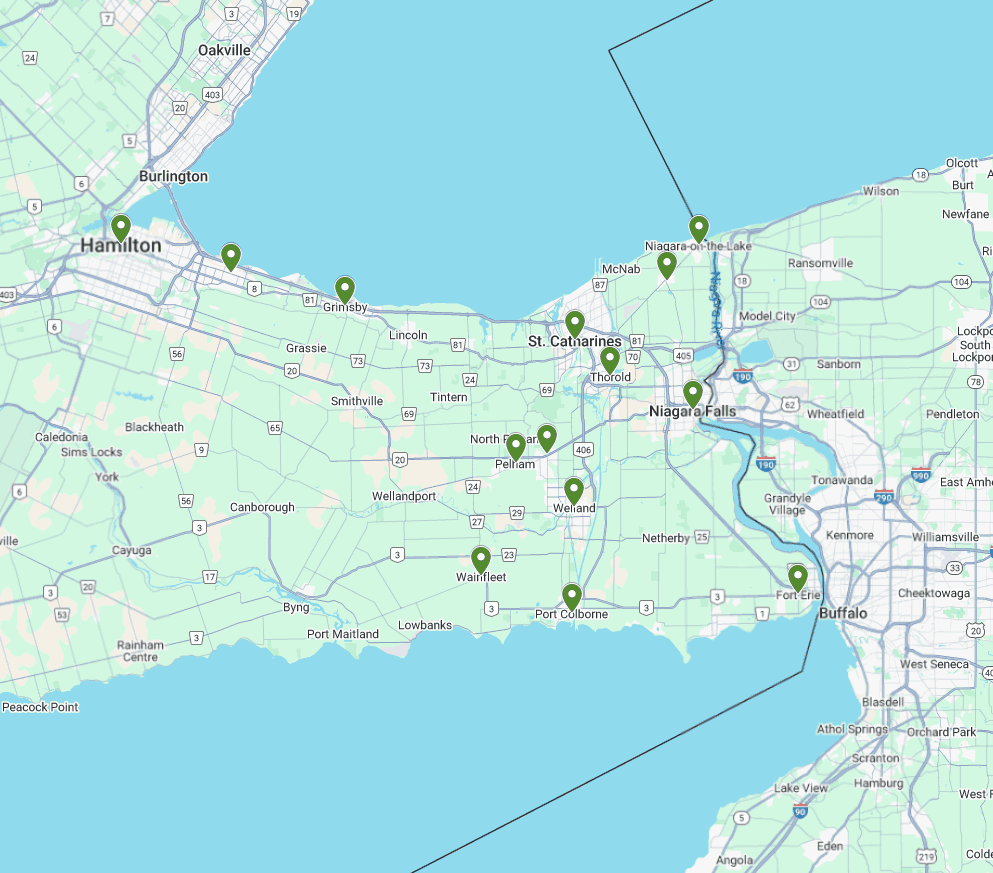
Service Areas
Our service areas encompass a wide range of locations, ensuring that we can meet the needs of our clients wherever they are. From bustling urban centers to serene rural landscapes, we are committed to providing top-notch services tailored to each unique environment.