



Niagara On The Lake homeowners facing heat pump replacement will find a comprehensive guide to the entire project. It describes when replacement is warranted, and how to evaluate system capacity, select energy-efficient models, and plan removal, disposal, and installation. It details the step-by-step process—from initial load calculations to commissioning—plus timelines, warranties, financing options, and post-install testing. It emphasizes reliability in cold winters and humidity, environmental compliance, and the value of professional, code-compliant workmanship. Tailored for Niagara On The Lake homes.
.jpeg)
Heat Pump Replacement in Niagara On The Lake, ON
Replacing a heat pump is a major decision for homeowners in Niagara On The Lake. With cold, damp winters and warm humid summers driven by Lake Ontario, reliable heating and efficient cooling matter year round. A properly sized and installed heat pump reduces energy bills, improves comfort in older and newer homes, and integrates with existing HVAC systems when done right. It describes the complete heat pump replacement process—what to expect, common issues that trigger replacement, model and capacity guidance, removal and disposal, installation steps, expected timeline, warranty and financing/rebate considerations, and post-installation testing specific to Niagara On The Lake homes.
Common heat pump replacement issues in Niagara On The Lake
- Frequent breakdowns or rising repair costs after several seasons.
- Dramatic loss of heating capacity on very cold days, or poor defrost performance.
- Increased energy bills despite regular maintenance.
- Loud or vibrating outdoor units signaling compressor or mounting failure.
- Refrigerant leaks or obsolete refrigerant that is expensive or illegal to recharge.
- Mismatched or undersized systems after renovations or home envelope upgrades.
- Frequent cycling, inconsistent temperatures between rooms, or poor humidity control.
If you see these signs, a full replacement often provides better long-term value than repeated repairs.
The heat pump replacement process
The replacement process is methodical to ensure efficiency, comfort, and compliance. Below is the step-by-step flow you can expect for a residential heat pump replacement in Niagara On The Lake.
1. Initial system assessment and load calculations
- Technicians inspect your current system, ductwork, insulation, and thermostat controls.
- A Manual J load calculation is performed to determine heating and cooling demand based on home size, orientation, insulation levels, window types, and local climate factors such as lake effect moderation.
- Electrical capacity and zoning needs are evaluated to confirm the existing panel and circuits can support the new unit or if upgrades are required.
Proper load calculations prevent oversized or undersized installations that create comfort problems and reduce lifecycle efficiency.
2. Guidance on selecting energy-efficient models and appropriate capacities
- For Niagara On The Lake’s climate, cold-climate heat pumps with high HSPF and reliable low-temperature performance are recommended.
- Consider variable-speed inverter compressors for better humidity control, quieter operation, and incremental energy savings in transitional seasons.
- Look at seasonal efficiency ratings (SEER and HSPF) and choose a capacity rated to meet your Manual J results rather than relying on rules of thumb.
- Decide between split systems, packaged units, or ductless mini-splits based on ductwork condition, room layout, and heritage-home constraints common in Niagara On The Lake.
Choosing the right model improves comfort on lake-cooled nights and overcast winter days when heating demand can change quickly.
3. Removal and safe disposal of old equipment
- Removing the old heat pump includes safe recovery of refrigerant, disconnecting electrical and refrigerant lines, and removing the outdoor and indoor components.
- Disposal follows local and provincial environmental regulations for refrigerants, metals, and electronic parts to ensure safe, legal recycling or disposal.
- If ducts or mounts are aged or damaged, the removal team documents issues and recommends repairs or replacements to be coordinated with the installation.
Proper disposal protects the environment and keeps your project compliant with Ontario regulations.
4. Professional installation steps
- Site preparation: For outdoor units, technicians verify clearances for airflow and service access. For indoor components, they check drain lines, condensation management, and electrical routing.
- Mounting and connections: Secure mounting, precise refrigerant line brazing, and properly torqued electrical terminations reduce leaks and long-term failure risk.
- System matching: Indoor coils, thermostats, and control wiring are matched to the outdoor unit for optimal control of reversing valves and defrost cycles.
- Commissioning-ready setup: Technicians charge refrigerant per manufacturer specifications when applicable and prepare for testing.
Consistent installation technique extends equipment life in Niagara On The Lake’s variable conditions.
5. Expected timeline
- Assessment and load calculation: 1 to 2 site visits, typically completed within a few days.
- Equipment selection and scheduling: 1 to 2 weeks depending on model availability.
- Removal and installation: Most residential replacements occur over 1 to 2 days for standard split systems. More complex jobs (duct replacement, electrical panel upgrades, or heritage home challenges) may take 2 to 4 days.
- Final testing and handover: Same day as install or the following day after temperature stabilization.
Planning for a short outage during swap-over helps minimize disruption.
6. Warranty, financing, and rebate options
- New equipment carries manufacturer warranties on compressors and parts; workmanship warranties cover installation labor. Confirm the length and what actions preserve warranty coverage.
- Homeowners in Ontario often qualify for provincial or federal incentives, rebates, or low-interest financing programs for high-efficiency heat pumps and home energy upgrades. Eligibility may depend on equipment efficiency, installer accreditation, and post-install documentation.
- Keep records of load calculations, installation reports, and commissioning data to support rebate and warranty claims.
Understanding warranties and incentive rules upfront prevents surprises and maximizes return on investment.
7. Post-installation testing and commissioning to verify performance
- Technicians perform a full commissioning protocol: airflow measurements, refrigerant pressures and temperatures, electrical load checks, thermostat calibration, and defrost cycle verification.
- Verify system controls and schedule settings for seasonal operation and any smart thermostat integration.
- Demonstrations show how systems handle heating, cooling, and humidity control. Final documentation summarizes the installation and baseline performance metrics.
Commissioning proves the system meets design goals and local climate performance expectations.
Why timely replacement matters in Niagara On The Lake
Replacing an inefficient or failing heat pump restores reliable comfort during cold spells, prevents emergency failures, and reduces energy bills. Newer models perform better in low ambient temperatures and manage summer humidity more effectively, which is important in this lakeside microclimate. Upgrading also helps reduce your home carbon footprint while improving indoor comfort.
Aftercare and maintenance tips
- Schedule biannual maintenance: outdoor coil cleaning and indoor airflow checks before summer and winter peaks.
- Keep outdoor units clear of debris, snow, and vegetation to maintain airflow.
- Change or clean filters monthly to avoid airflow restrictions and maintain efficiency.
- Preserve documentation for warranty and rebate follow up.
A well maintained heat pump typically lasts longer and sustains expected efficiency.
Replacing a heat pump in Niagara On The Lake involves careful assessment, climate-appropriate equipment selection, code-compliant removal and installation, and thorough commissioning. When planned and executed professionally, replacement provides dependable year-round comfort, lower energy costs, and long-term performance suited to local weather and home characteristics.

Customer Testimonials

Very efficient company. I needed an old solar water heater removed from my roof. They were quick to book an appointment for the next day after I sent photos. They were very knowledgeable of the issue. The 2 guys that came were friendly and competent with the job, including removal of all parts.

I had an issue with my hot water tank and called Niagara Home Heating. Their service was fantastic and reasonably priced—exactly how a business should be run!
We had an amazing experience getting our new furnace installed with Niagara Home Heating. The owner was very helpful, their quote was more then competitive and the technician who installed the unit was professional and friendly. I would recommend their services.
I called John today at 2:pm as my AC was not working and I wasn’t expecting even a call back as I knew with this hot weather we have had he would be swamped with calls. Well he called me back and showed at 8:pm on the same day to fix my AC. That is just incredible service and how much John really cares about his clients. Thank you John !
I have used Niagara Home heating for multiple projects for over 16 years. John and his staff are absolutely the best. I tell all my friends and family about Niagara Home Heating because you won’t get any better service or pricing anywhere in Niagara. He has saved me thousands and thousands of dollars and has never let me down.
Lifesavers!! The AC in our house decided to quit the day we were passing the keys to the new owners!! Instead of making a service call to the house, John coached me through the minor repair over the phone, saving me the money and time waiting for a repair person to come.Much appreciated! Thanks again John

Service Areas
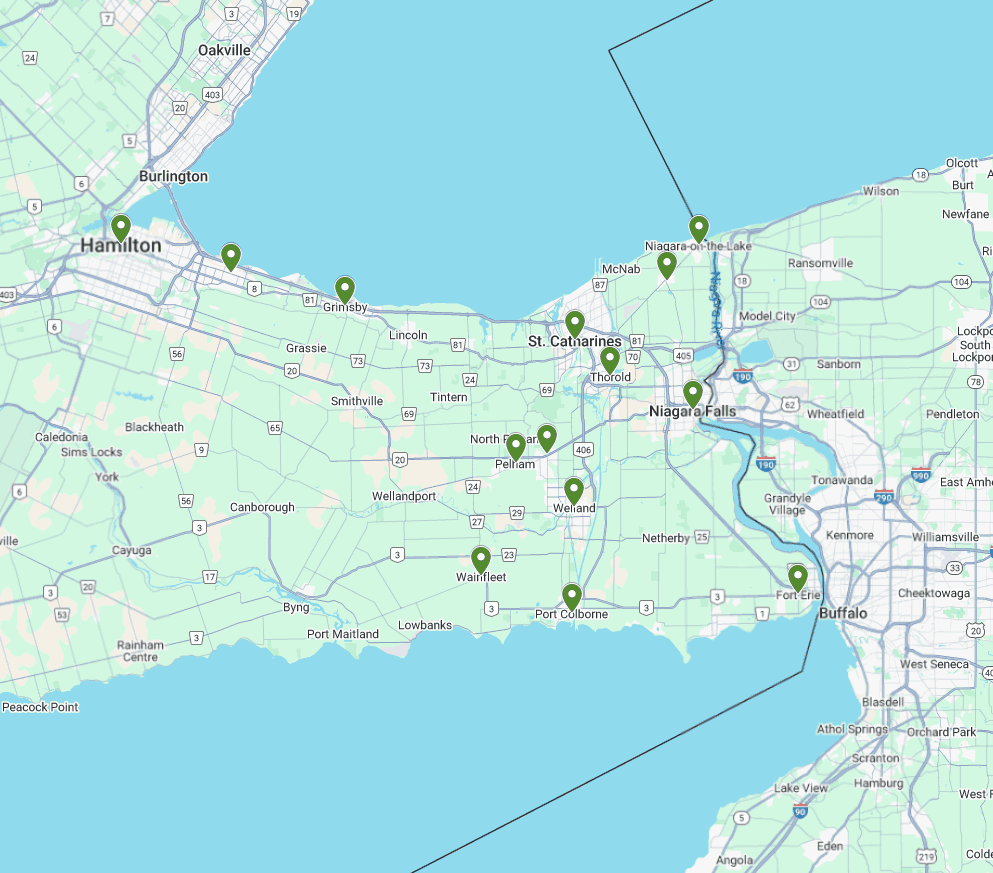
Our service areas encompass a wide range of locations, ensuring that we can meet the needs of our clients wherever they are. From bustling urban centers to serene rural landscapes, we are committed to providing top-notch services tailored to each unique environment.