



Niagara-on-the-Lake heat pump maintenance explains why regular spring and fall tune-ups protect comfort and efficiency. The guide outlines common NOTL issues such as reduced capacity, short cycling, corrosion, and drainage problems, and details a comprehensive maintenance checklist—from filter and coil cleaning to refrigerant checks and electrical testing. It also covers diagnostic steps, typical repair paths, recommended service intervals, and tiered maintenance agreements, highlighting long-term benefits like lower energy use, fewer breakdowns, and extended equipment life.
.jpeg)
Heat Pump maintenance in Niagara On The Lake, ON
Proper heat pump maintenance is essential for reliable year-round comfort in Niagara On The Lake, ON. With hot, humid summers and cold winters moderated by nearby Lake Ontario, heat pumps work hard to move heat efficiently between your home and the outdoors. Regular tune-ups reduce breakdown risk during seasonal extremes, keep energy bills lower, and extend equipment life. It describes what a routine heat pump maintenance plan includes, common issues in NOTL homes, recommended service intervals, and what you can expect from maintenance agreements.
Why seasonal maintenance matters in Niagara On The Lake
Niagara On The Lake experiences humid summers that promote coil fouling and high indoor humidity challenges, and winters that require reliable defrost cycles and corrosion resistance. Outdoor units are exposed to pollen, dust, road salt in winter months, and higher humidity that accelerates wear. Preventive maintenance helps your system handle these regional stresses by keeping airflow optimal, refrigerant levels correct, and electrical components functioning safely.
Common heat pump issues in Niagara On The Lake
Reduced cooling or heating capacity - often from clogged filters, dirty coils, or low refrigerant.
Short cycling or frequent on/off cycling - caused by thermostat issues, airflow restrictions, or electrical faults.
Inefficient operation and rising energy bills - dirty components and poor refrigerant charge increase run time.
Frequent defrosting or poor defrost performance - common during late fall and winter; can indicate sensor or control problems.
Water or condensate problems - blocked condensate drains can cause leaks and indoor humidity problems.
Corrosion and outdoor coil damage - salt, debris, and moisture exposure in our climate can degrade outdoor coils and connections.
Electrical failures - wear on capacitors, contactors, and wiring can lead to hard starts or complete unit failure.
What a seasonal heat pump tune-up includes
A thorough heat pump maintenance plan typically covers both spring and fall tune-ups with the following tasks performed by trained technicians:
Filter inspection and replacement
- Replace or clean filters to restore airflow and protect coils. Poor filtration reduces efficiency and increases wear.
Coil cleaning (evaporator and condenser)
- Remove dirt, pollen, and debris from indoor and outdoor coils to improve heat transfer.
Condensate drain and pan cleaning
- Clear blockages and treat drain lines to prevent backups, leaks, and mold growth.
Refrigerant check and leak inspection
- Verify refrigerant charge and inspect for leaks that reduce efficiency and can damage the compressor.
Electrical inspection and testing
- Test capacitors, contactors, relays, and wiring for wear, proper voltages, and safe operation.
Compressor and system performance testing
- Measure pressures, temperature split, and amp draw to confirm efficient operation.
Lubrication of motors and moving parts
- Lubricate fan motors and bearings where applicable to reduce friction and noise.
Thermostat calibration and controls check
- Confirm sensors, thermostats, and control boards are calibrated and communicating correctly.
Defrost cycle and reversing valve test
- Ensure the defrost sequence and reversing valve operate properly for winter heating performance.
Inspection of outdoor unit condition
- Check for corrosion, bent fins, debris, and secure mounting; recommend protection steps if needed.
Ductwork and airflow assessment (for ducted units)
- Inspect duct joints, registers, and airflow to identify leaks or blockages that impact system efficiency.
System safety checks
- Confirm safety switches, disconnects, and emergency controls are functional.
Diagnostic process explained simply
A technician starts with a visual inspection, then runs the system under normal operating conditions while measuring temperatures and electrical values. Key checks include:
- Temperature difference between supply and return air to gauge heat transfer.
- Compressor amp draw and capacitor health to detect electrical stress.
- Refrigerant pressures to identify undercharge or overcharge and to locate leaks.
- Observation of defrost cycles and outdoor unit behavior in cooler weather.These steps identify root causes rather than treating symptoms, so fixes are targeted and cost-effective.
Repair and solution options after diagnosis
When maintenance reveals issues, common solutions include:
- Cleaning or replacing obstructed filters and coils for immediate efficiency gains.
- Repairing refrigerant leaks and restoring proper charge to protect the compressor.
- Replacing worn electrical components such as capacitors and contactors to prevent sudden failures.
- Repairing or replacing faulty thermostats, sensors, or control boards to restore reliable cycling.
- Addressing condensate drainage problems and mold prevention where required.
- Recommending outdoor unit protection or corrosion mitigation for long-term durability in the Niagara climate.
Recommended service intervals
Minimum: Annual maintenance to maintain warranty eligibility and basic reliability.
Best practice: Biannual tune-ups - spring and fall - to prepare for the cooling and heating seasons and to catch seasonal issues early.
High-risk situations: Homes with heavy pollen, pets, or high-usage units may benefit from quarterly inspections.
Maintenance agreements and service contracts
Maintenance agreements tailored to heat pumps typically include tiered options such as:
Basic plan - annual or biannual inspections, filter replacement, and priority booking for scheduled tune-ups.
Comprehensive plan - two seasonal tune-ups per year, priority emergency response, diagnostic fees waived or reduced, seasonal performance reporting, and discounts on parts and labor.
Premium plan - everything in comprehensive plans plus annual refrigerant checks, advanced inverter and controls diagnostics, and extended equipment monitoring.These agreements provide predictable maintenance on a schedule that matches the local climate, help protect manufacturer warranties, and usually result in fewer emergency repairs and lower lifetime operating costs.
Long-term benefits of regular maintenance
Regular heat pump maintenance in Niagara On The Lake delivers measurable benefits:
- Improved energy efficiency and lower utility bills.
- Fewer breakdowns and less risk of emergency service during temperature extremes.
- Longer system life and better preservation of manufacturer warranties.
- Steadier indoor comfort and improved humidity control.
- Safer operation with reduced electrical faults and leak risks.
Keeping your heat pump tuned to the demands of Niagara On The Lake conditions protects comfort and reduces long-term expenses. A clear maintenance plan, seasonal tune-ups, and an appropriate service agreement ensure your system performs reliably through humid summers and cold winters while minimizing unexpected repairs.

Customer Testimonials

I have used Niagara Home heating for multiple projects for over 16 years. John and his staff are absolutely the best. I tell all my friends and family about Niagara Home Heating because you won’t get any better service or pricing anywhere in Niagara. He has saved me thousands and thousands of dollars and has never let me down.

Lifesavers!! The AC in our house decided to quit the day we were passing the keys to the new owners!! Instead of making a service call to the house, John coached me through the minor repair over the phone, saving me the money and time waiting for a repair person to come.Much appreciated! Thanks again John
We had an amazing experience getting our new furnace installed with Niagara Home Heating. The owner was very helpful, their quote was more then competitive and the technician who installed the unit was professional and friendly. I would recommend their services.
Very efficient company. I needed an old solar water heater removed from my roof. They were quick to book an appointment for the next day after I sent photos. They were very knowledgeable of the issue. The 2 guys that came were friendly and competent with the job, including removal of all parts.
I had an issue with my hot water tank and called Niagara Home Heating. Their service was fantastic and reasonably priced—exactly how a business should be run!
I called John today at 2:pm as my AC was not working and I wasn’t expecting even a call back as I knew with this hot weather we have had he would be swamped with calls. Well he called me back and showed at 8:pm on the same day to fix my AC. That is just incredible service and how much John really cares about his clients. Thank you John !

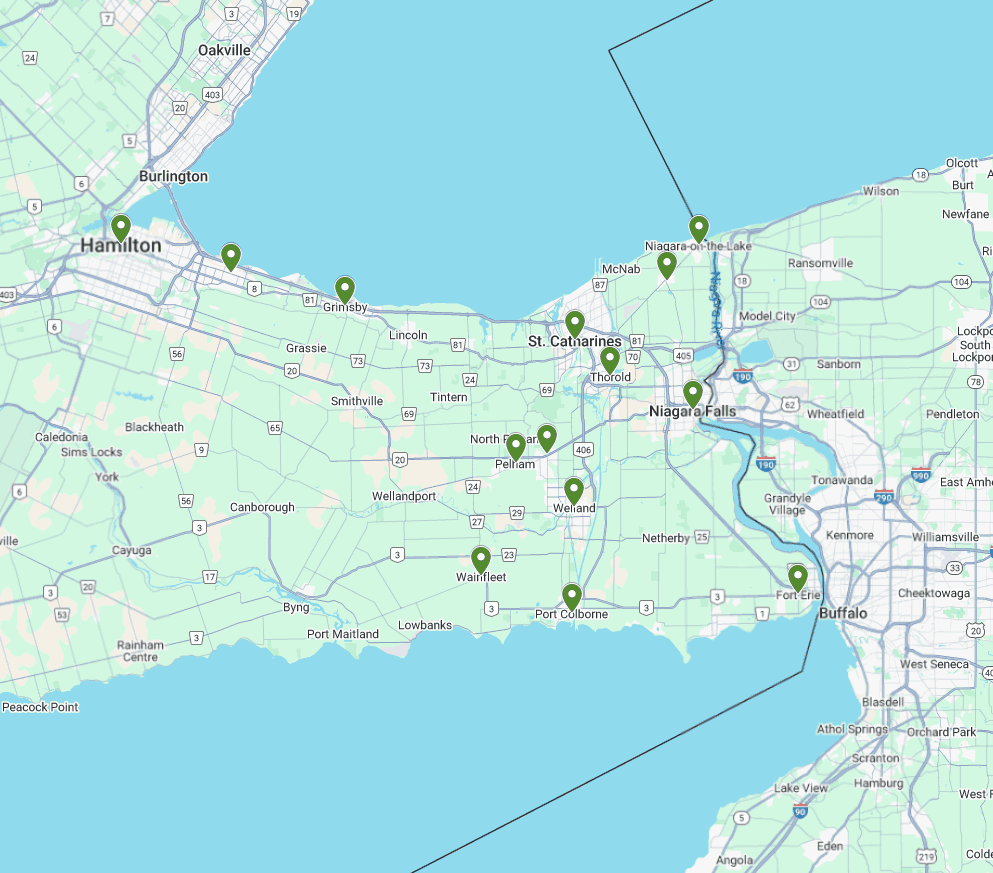
Service Areas
Our service areas encompass a wide range of locations, ensuring that we can meet the needs of our clients wherever they are. From bustling urban centers to serene rural landscapes, we are committed to providing top-notch services tailored to each unique environment.