



Emergency furnace repair services in Grimsby, ON provide 24/7 rapid response for no-heat and CO-safety concerns. The overview covers emergency qualifiers, on-site diagnostics and stabilization, common permanent repairs, and practical steps to contact support while keeping the household safe. Technicians perform risk assessments, gas and CO checks, heat exchanger and control-board inspections, and temporary fixes to restore heat. They then outline long-term repair options that meet safety codes and restore reliable warmth. Exactly how each repair proceeds is explained for informed decision-making.
-min.jpeg)
furnace emergency-furnace-repair in Grimsby, ON
When a furnace fails in the middle of a freezing Grimsby night or a carbon monoxide alarm sounds, seconds matter. Emergency furnace repair provides rapid, safety-first response for no-heat situations and safety-critical failures so your family stays safe and your home avoids cold-related damage. This page explains what qualifies as an emergency, what our 24/7 response looks like in Grimsby, ON, how on-site diagnostics and temporary stabilization work, the common permanent repairs we perform, and clear, practical instructions for contacting emergency support and protecting your household until help arrives.
Why 24/7 emergency furnace repair matters in Grimsby
Grimsby’s lake-effect winters and occasional overnight cold snaps can turn a furnace failure into a health and safety risk quickly. Older homes in the area often have legacy furnaces or ductwork that increase the likelihood of breakdowns under heavy seasonal demand. Fast professional intervention reduces the chance of frozen pipes, extended exposure to cold, and dangerous situations like carbon monoxide leaks.
Common emergency furnace symptoms in Grimsby homes
Recognizing an emergency helps you take the right first steps. Emergency symptoms include:
- Complete furnace shutdown with persistent no-heat and no pilot or ignition attempt
- Repeated lockouts where the furnace starts then immediately stops
- Loud banging, grinding, or metal-scraping noises indicating mechanical failure or a seized blower
- Strong smell of gas or persistent natural gas odor near the furnace
- Carbon monoxide (CO) alarm activation or symptoms of CO exposure (headache, dizziness, nausea)
- Visible flames or smoke in or near the furnace cabinet
- Rapid cycling accompanied by visible sparks or burning smells
If you experience any of the above, treat the situation as urgent and prioritize safety first.
Rapid response and on-site diagnostics
Emergency furnace repair is built around fast arrival and focused diagnostics:
- 24/7 dispatch: On-call technicians ready to respond outside regular hours for Grimsby and surrounding Niagara Region neighborhoods.
- Safe arrival protocols: Technicians arrive with tools, diagnostic equipment, and common replacement parts to assess and stabilize most emergencies on the spot.
- Initial triage: The technician evaluates safety (gas leaks, CO), establishes whether the failure is mechanical, electrical, or gas-control related, and determines temporary stabilization measures.
- Diagnostic steps commonly performed:
- Visual inspection of heat exchanger, burners, ignition assembly, and flue
- Gas pressure and combustion testing when safe and required
- Electrical checks on control boards, transformers, fuses, and limit switches
- Blower motor and belt inspection
- CO testing in the furnace area and living space
The goal of on-site diagnostics is a fast, accurate determination of the immediate risk and the most reliable path to restore safe heat.
Temporary stabilization and safety measures
In many emergencies the technician will perform temporary fixes to make the system safe and provide heat while scheduling permanent repairs:
- Temporary measures may include resetting and clearing lockouts, replacing failed fuses or relays, bypassing a failed non-safety control to restore heat temporarily (only when safe), or installing a temporary heater if the furnace cannot be brought back online immediately.
- Safety measures always prioritized:
- Shutting off gas if a leak or unsafe condition is detected
- Inspecting the heat exchanger for cracks or corrosion that can cause CO leakage
- Ventilation checks to ensure exhaust flue is clear and drafting correctly
- CO testing and advising evacuation if required
Technicians will explain any temporary measures taken, the reasons for them, and the recommended permanent repair plan.
Parts replacement and permanent repairs
Common permanent repairs performed after emergency stabilization:
- Replacing ignition assemblies, hot surface igniters, or pilot components
- Repairing or replacing control boards, transformers, relays, or thermostats
- Heat exchanger replacement or furnace replacement if the exchanger is cracked (a safety-critical repair)
- Blower motor or bearing replacement and belt repair
- Burner cleaning, adjustment, or replacement to restore safe combustion
- Flue and vent repairs to restore safe exhaust of combustion gases
Where replacement is required, technicians will prioritize solutions that restore long-term safety and efficiency while complying with local codes and manufacturer requirements.
Safety checks included with emergency service
Every emergency furnace visit includes safety-focused inspections:
- Carbon monoxide (CO) testing inside the furnace cabinet and in living spaces
- Combustion efficiency and CO combustion testing if applicable
- Gas leak detection around fittings and piping
- Verification of proper venting and draft
- Electrical safety checks for wiring and connections
If a condition is unsafe to operate, the system will be left shut down and sealed off until repaired or replaced.
Service call expectations and fees
Expect clear, upfront information from the responding technician:
- Estimated arrival window and status updates where available
- An explanation of findings, immediate actions taken, and the recommended permanent repair plan
- Transparent breakdown of emergency service fees, diagnostic charges, and parts/labor estimates before work proceeds whenever practical
- Documentation of safety tests and actions performed
Emergency visits have different logistics than scheduled repairs; technicians carry extra equipment and may prioritize safety over immediate restoration when necessary.
What to do immediately — safety-first checklist
If you suspect a furnace emergency in Grimsby:
- If a carbon monoxide alarm sounds or anyone shows CO symptoms, evacuate the home immediately and call emergency services first
- If you smell gas, avoid using phones or switches inside the house; evacuate and call the gas utility or emergency services from a safe location
- If there is no immediate danger but no heat, turn off the furnace at the thermostat, and shut off the gas valve only if you are trained and it is safe to do so
- Locate and have available your home address, furnace make/model, symptom timeline, and any recent maintenance history when contacting emergency support
- Keep children, pets, and vulnerable household members warm and in a single room while waiting for help
Preventing emergencies in Grimsby
Regular maintenance reduces emergency risk—especially in Grimsby where winters are harsh:
- Annual pre-winter furnace tune-up with heat exchanger inspection and combustion testing
- Replace filters regularly to prevent restricted airflow and overheating
- Keep the furnace area clear of storage and debris to ensure proper combustion air
- Install and test CO alarms on every floor and near sleeping areas
- Schedule repairs at the first sign of trouble—strange noises, frequent cycling, or slower heating
Bottom line
Emergency furnace repair in Grimsby, ON is focused on safety, speed, and leaving your home with reliable heat. Timely intervention prevents cold-related damage, eliminates safety hazards, and restores comfort quickly. If you face a no-heat situation or any safety-critical symptom, prioritize evacuation and emergency services for gas or CO events, then contact your emergency furnace support using the emergency contact information on your service agreement or utility paperwork so a qualified technician can respond immediately.

Customer Testimonials

Very efficient company. I needed an old solar water heater removed from my roof. They were quick to book an appointment for the next day after I sent photos. They were very knowledgeable of the issue. The 2 guys that came were friendly and competent with the job, including removal of all parts.

Lifesavers!! The AC in our house decided to quit the day we were passing the keys to the new owners!! Instead of making a service call to the house, John coached me through the minor repair over the phone, saving me the money and time waiting for a repair person to come.Much appreciated! Thanks again John
I called John today at 2:pm as my AC was not working and I wasn’t expecting even a call back as I knew with this hot weather we have had he would be swamped with calls. Well he called me back and showed at 8:pm on the same day to fix my AC. That is just incredible service and how much John really cares about his clients. Thank you John !
I have used Niagara Home heating for multiple projects for over 16 years. John and his staff are absolutely the best. I tell all my friends and family about Niagara Home Heating because you won’t get any better service or pricing anywhere in Niagara. He has saved me thousands and thousands of dollars and has never let me down.
We had an amazing experience getting our new furnace installed with Niagara Home Heating. The owner was very helpful, their quote was more then competitive and the technician who installed the unit was professional and friendly. I would recommend their services.
I had an issue with my hot water tank and called Niagara Home Heating. Their service was fantastic and reasonably priced—exactly how a business should be run!

Service Areas
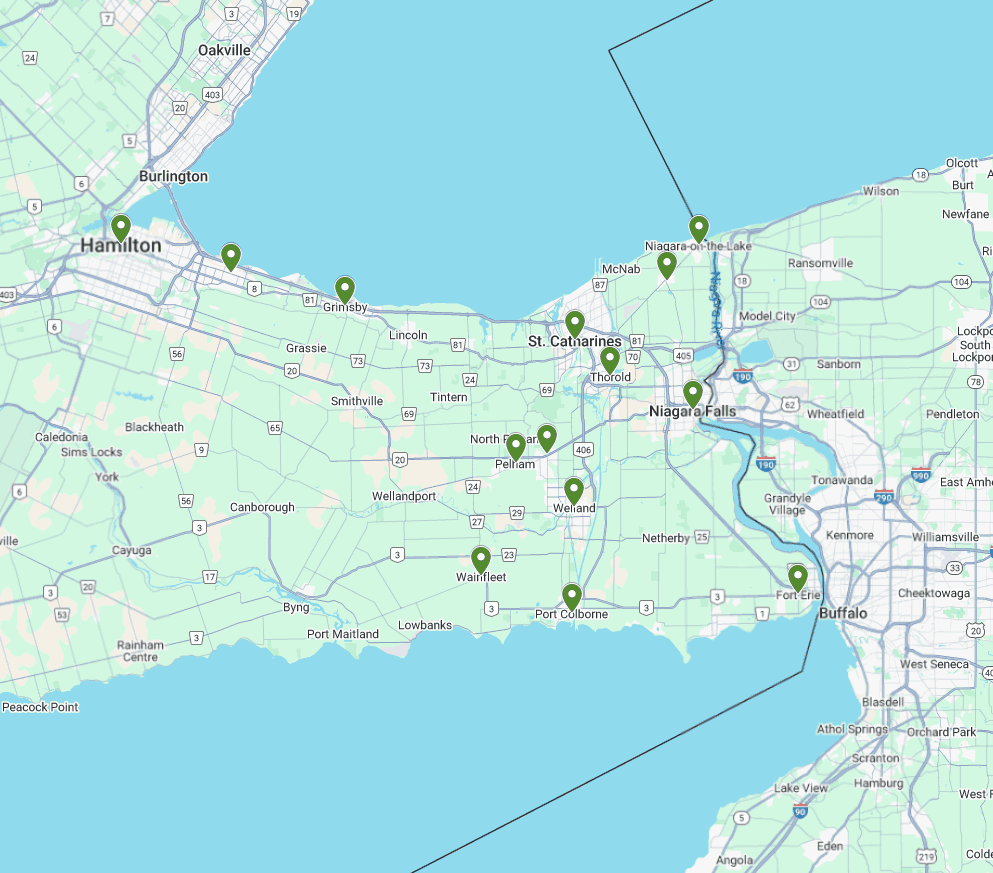
Our service areas encompass a wide range of locations, ensuring that we can meet the needs of our clients wherever they are. From bustling urban centers to serene rural landscapes, we are committed to providing top-notch services tailored to each unique environment.