



It describes a comprehensive heating replacement for Grimsby, ON, guiding homeowners through why replacement is beneficial, common triggers, and how a professional on-site assessment ensures accurate sizing. It compares high-efficiency furnaces, boilers, hybrids, and controls, and presents a realistic removal and installation timeline, disposal practices, warranty details, financing options, and available rebates. It also covers post-install testing, homeowner orientation, and long-term maintenance tips to maximize comfort, efficiency, and reliability during Grimsby’s cold winters. This page helps homeowners plan a durable, cost-effective upgrade.
-min.jpeg)
Heating Replacement in Grimsby, ON
Replacing your home heating system is one of the most impactful upgrades you can make for comfort, energy savings, and long-term reliability. In Grimsby, ON, where lake-effect winters mean prolonged cold and older housing stock often relies on aging furnaces or boilers, a professionally managed heating replacement ensures your home stays warm, safe, and efficient for years. This It describes describess the full replacement process, common local issues that trigger replacements, system comparisons, timelines, disposal, warranties and financing, rebates to investigate, and what to expect after installation.
Why Grimsby homeowners replace heating systems
- Older furnaces and boilers lose efficiency and reliability with age, increasing breakdown risk during cold snaps.
- Rising energy costs and the availability of high-efficiency equipment make replacement an economical decision over long-term operating costs.
- Many Grimsby homes have legacy ductwork or hydronic systems that benefit from modern controls and properly sized equipment.
- Indoor air quality and even heating distribution problems are often resolved when the system is replaced and ducts or piping are corrected.
Common heating replacement triggers in Grimsby, ON
- Frequent breakdowns or repairs that add up over time
- Noticeable spikes in heating bills despite regular maintenance
- Uneven heating across rooms or difficulty maintaining thermostat setpoint
- Safety concerns such as cracked heat exchangers, persistent carbon monoxide detector activations, or venting issues
- End of useful life for equipment (technology and efficiency improvements make replacement preferable)
On-site assessment and accurate system sizing
A reliable replacement starts with an on-site assessment and a professional load calculation (not just “rule of thumb” sizing). Key steps:
- Inspect home construction, insulation levels, window types, and air infiltration — Grimsby’s older homes often need a careful look at envelope losses.
- Measure conditioned square footage, ceiling heights, and room-by-room heat loss to determine required capacity.
- Evaluate existing distribution (ducts or radiators) and controls to see if upgrades or modifications are needed.
- Review fuel type (natural gas, propane, oil, electric) and venting options — many Grimsby homes are on natural gas, but alternatives may be preferable depending on efficiency goals.
Correct sizing prevents short-cycling, improves comfort, and reduces operating costs. The assessment also produces a clear scope for removal, installation, and any needed ductwork or piping changes.
Comparing energy-efficient furnaces, boilers, and alternatives
- High-efficiency condensing furnaces: Modern gas furnaces with high AFUE and condensing technology extract more heat from combustion. Variable-speed blowers and modulating gas valves improve comfort and reduce cycling.
- Condensing boilers and combi boilers: For hydronic systems, condensing boilers significantly improve fuel utilization. Combi units combine domestic hot water and heating in one compact unit for some homes.
- Hybrid systems and heat pump integration: Cold-climate air-source heat pumps or dual-fuel systems can reduce gas use during milder days while relying on a furnace/boiler during cold snaps — relevant in Grimsby’s varied winter conditions.
- Controls and thermostats: Upgrading to multi-stage thermostats or smart controls helps match performance to occupancy and weather, maximizing efficiency.
When comparing, focus on certified efficiency ratings, proven reliability, compatibility with your home’s distribution system, and expected lifecycle backed by warranty.
Typical timeline for removal and installation
- Initial assessment and quote: usually scheduled to accommodate inspection and system selection.
- Pre-install preparations: ordering and delivery of equipment, permits if required, and scheduling.
- Removal of old equipment: can be completed in a day for straightforward swaps; more complex jobs (new venting, ductwork, or hydronic piping) may require multiple days.
- Installation: single-day to several days depending on complexity, upgrades to distribution, or structural work.
- Post-install testing and homeowner walkthrough: final checks and orientation typically performed immediately after installation.
Expect clear milestones and a plan for contingencies when structural modifications or permitting is involved.
Safe, compliant disposal of old equipment
Old furnaces, boilers, and components are disposed of according to environmental and municipal rules. Typical practices include:
- Draining and properly disposing of oils or refrigerants where applicable
- Recycling metal components and safely handling electronic parts
- Providing documentation of removal and disposal for your records
Proper disposal protects your property and meets local regulations.
Warranty, financing, and rebates
- Warranties: Look for manufacturer warranties on heat exchangers and major components plus a contractor’s labor warranty. Extended coverage options are often available for added peace of mind.
- Financing: Many homeowners use financing or payment plans to spread replacement costs over time. Options can include low-interest loans or financing programs tied to equipment purchases.
- Rebates and incentives: There are frequently provincial, federal, manufacturer, and utility incentives available for high-efficiency equipment and home energy upgrades. Grimsby homeowners should check current eligibility for energy-efficiency rebates and local utility incentives to reduce upfront costs.
Always confirm warranty coverage details and registration requirements, and verify current rebate programs before finalizing equipment choices.
Post-installation testing and homeowner orientation
After installation, thorough testing and a clear orientation are essential:
- Safety and combustion testing, including carbon monoxide checks and proper venting verification
- System performance validation: airflow, temperature rise, pressure checks on boilers, and electrical connections
- Commissioning controls and thermostat programming to ensure efficiency and comfort
- Demonstration of system operation, maintenance needs, filter replacement schedules, and warranty documentation to homeowners
Good installers leave you confident operating the new system and understanding routine maintenance needs.
Long-term benefits and maintenance advice
Replacing your heating system delivers:
- More consistent comfort and improved zone control
- Lower energy consumption and reduced utility bills over time
- Enhanced indoor air quality with modern filtration options
- Improved resale value and reduced breakdown risk during cold weather
Maintenance tips:
- Schedule annual tune-ups to preserve efficiency and warranty coverage
- Change filters regularly and keep air intakes and vents clear
- For hydronic systems, check for pressure and air in radiators; for ducted systems, inspect ducts for leakage and insulation
Heating replacement is an investment in year-round comfort and safety. In Grimsby, ON, the right equipment, properly sized and installed, makes a measurable difference during long winters and variable shoulder seasons. This It describes provides the roadmap to a successful, durable heating replacement tailored to local conditions and homeowner needs.

Customer Testimonials

I called John today at 2:pm as my AC was not working and I wasn’t expecting even a call back as I knew with this hot weather we have had he would be swamped with calls. Well he called me back and showed at 8:pm on the same day to fix my AC. That is just incredible service and how much John really cares about his clients. Thank you John !

Very efficient company. I needed an old solar water heater removed from my roof. They were quick to book an appointment for the next day after I sent photos. They were very knowledgeable of the issue. The 2 guys that came were friendly and competent with the job, including removal of all parts.
I had an issue with my hot water tank and called Niagara Home Heating. Their service was fantastic and reasonably priced—exactly how a business should be run!
We had an amazing experience getting our new furnace installed with Niagara Home Heating. The owner was very helpful, their quote was more then competitive and the technician who installed the unit was professional and friendly. I would recommend their services.
I have used Niagara Home heating for multiple projects for over 16 years. John and his staff are absolutely the best. I tell all my friends and family about Niagara Home Heating because you won’t get any better service or pricing anywhere in Niagara. He has saved me thousands and thousands of dollars and has never let me down.
Lifesavers!! The AC in our house decided to quit the day we were passing the keys to the new owners!! Instead of making a service call to the house, John coached me through the minor repair over the phone, saving me the money and time waiting for a repair person to come.Much appreciated! Thanks again John

Service Areas
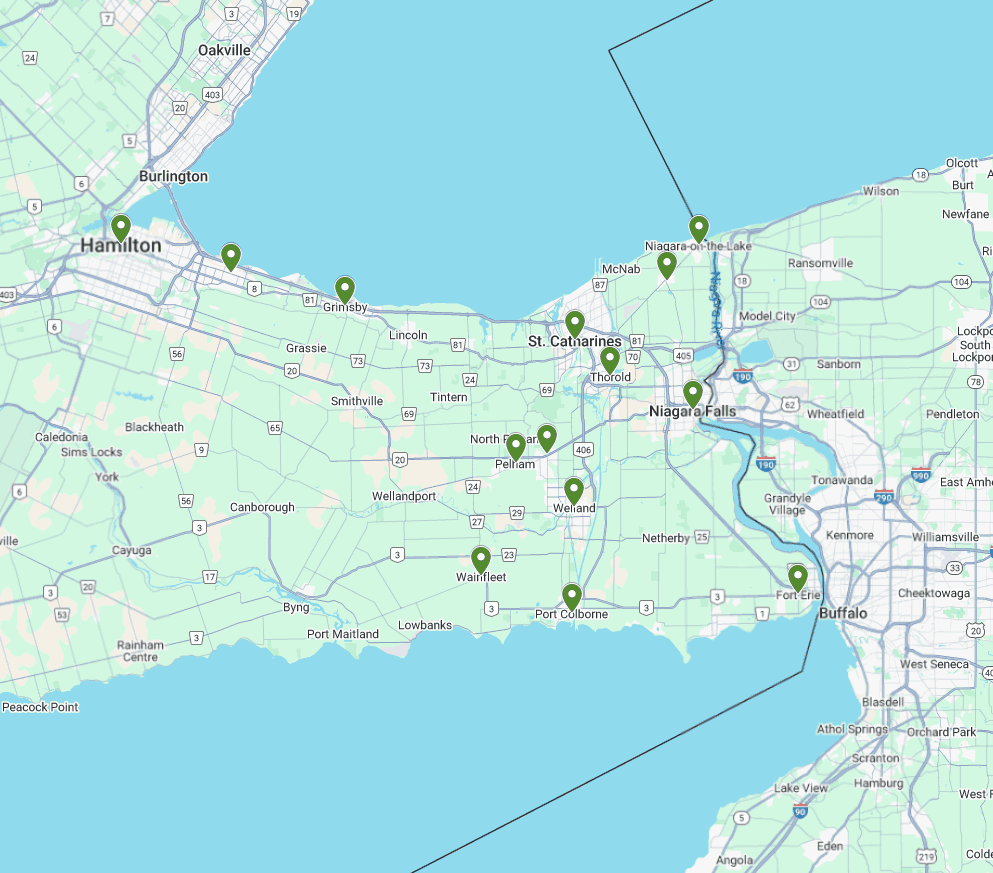
Our service areas encompass a wide range of locations, ensuring that we can meet the needs of our clients wherever they are. From bustling urban centers to serene rural landscapes, we are committed to providing top-notch services tailored to each unique environment.