



Heating installation in Grimsby, ON describes a comprehensive, professional service that begins with a precise load calculation and ends with tested, reliable operation. It describes why professional installation matters for comfort, safety, and efficiency in Niagara-region homes, including ductwork upgrades, zoning, and energy-code compliance. It covers a step-by-step installation sequence, from site protection through commissioning, and details warranty coverage and required documentation. Practical post-install tips and long-term benefits emphasize reduced energy costs and dependable warmth for Grimsby winters.
-min.jpeg)
Heating installation in Grimsby, ON
An efficient, correctly sized heating system is essential for Grimsby homes to stay comfortable and keep energy bills under control during long, cold winters and periods of lake-effect snow. Professional heating installation in Grimsby, ON does more than swap an old furnace for a new one — it starts with a careful assessment, moves through precise installation and testing, and finishes with guidance so your system runs reliably for years. The following explains the full process, common issues homeowners face, and what to expect from a quality installation.
Why a professional installation matters in Grimsby
- Grimsby’s cold, humid continental climate demands reliable startup performance and properly sized equipment to prevent room-to-room temperature swings and excessive runtime.
- Older Niagara region homes often have legacy ductwork or mixed heating systems that require tailored solutions to avoid uneven heating and wasted energy.
- Correct installation affects safety (combustion and venting), warranty coverage, and long-term efficiency — poorly installed systems commonly cause higher fuel bills, frequent repairs, and premature replacement.
Common heating needs and challenges in Grimsby homes
- Replacing an aging gas furnace or oil-fired system with a high-efficiency condensing furnace or heat pump.
- Converting from electric baseboard or older boilers to forced air systems or hybrid solutions.
- Upgrading ductwork, adding zoning, or switching to ductless systems in cottages, additions, or renovated spaces.
- Addressing inadequate ventilation and indoor air quality during cold months when homes are tightly sealed.
Pre-install consultation: what the technician evaluates
A professional pre-install consultation ensures the chosen equipment meets your home’s needs:
- Walk-through of your home and discussion of comfort goals, existing fuel source, and budget considerations.
- Visual inspection of furnace/boiler location, venting, gas lines, ducts, electrical access, and air quality components.
- Review of any local constraints such as small utility rooms, chimney conditions, or heritage-home limitations common in Grimsby neighborhoods.
Load calculations and equipment selection
- Technicians perform a heat loss calculation (Manual J or equivalent) to determine the precise heating capacity your home requires. This prevents oversizing (short cycling) or undersizing (inadequate heat).
- Equipment selection considers fuel type, system efficiency (AFUE for furnaces, HSPF/SEER for heat pumps), noise levels, and compatibility with existing ductwork or thermostats.
- Options commonly recommended for Grimsby homes include high-efficiency condensing gas furnaces, cold-climate heat pumps, hybrid systems (furnace + heat pump), and multi-stage or variable-speed units to handle temperature fluctuations efficiently.
- Energy and compliance considerations: chosen equipment should meet current Ontario standards and may qualify for provincial or utility programs; confirm eligibility and registration requirements before finalizing equipment.
Step-by-step installation process
- Site protection and preparation
- Protect flooring and furniture with runners and drop cloths.
- Isolate the work area to minimize dust and disruption.
- Old system removal
- Safely disconnect and remove the existing furnace/boiler, cap lines, and dispose of components according to local regulations.
- Modifications and preparation
- Make needed changes to gas lines, venting, condensate drains, electrical connections, and duct connections.
- Repair or seal ducts when required to improve airflow and efficiency.
- Equipment placement and anchoring
- Position the new unit for proper clearance, service access, and venting. Ensure combustion air and flue paths meet code.
- Connections and controls
- Install gas, electrical, condensate, and control wiring. Mount and configure the thermostat or smart control systems.
- Site protection and cleanup throughout
- Keep the workspace tidy, remove installation debris, and perform a final clean so the home is left in the same condition as when the crew arrived.
Compliance with local codes and safety checks
- Installations follow Ontario Building Code requirements and relevant TSSA (Technical Standards and Safety Authority) regulations for gas appliances when applicable.
- All venting, combustion air, and clearances are verified to ensure safe operation and compliance with municipal bylaws in the Niagara Region.
- Proper permits and inspections are coordinated as required by local authorities.
Commissioning and testing
- System commissioning includes airflow checks, static pressure, and verifying proper duct distribution.
- For combustion appliances: combustion analysis, flue draft checks, and CO level testing verify safe, efficient operation.
- Gas pressure tests and leak checks ensure connections are secure.
- Thermostat calibration and cycle testing confirm comfort performance and control accuracy.
Warranty and documentation
- Professional installations typically include a separate workmanship warranty in addition to the manufacturer’s equipment warranty.
- You should receive documentation covering:
- Equipment model and serial numbers
- Wiring and piping diagrams
- Commissioning results and test readings
- Manufacturer warranty registration instructions and any required maintenance conditions to keep warranties valid
Tips for post-install operation and maintenance
- Initial run and break-in: expect mild odors or dust during the first few runs as the new system settles; ventilate as needed.
- Thermostat strategy: use setback schedules or smart learning thermostats to balance comfort and efficiency in Grimsby’s variable weather.
- Filter care: replace or clean filters regularly (monthly to quarterly depending on filter type and household conditions) to maintain airflow and efficiency.
- Keep vents and intake grills clear of snow, debris, or obstructions — important near Lake Ontario where drifting can occur.
- Annual maintenance: schedule a professional tune-up before the heating season to preserve efficiency, safety, and warranty coverage. This includes burner inspection, heat exchanger check, and control verification.
- Monitor for warning signs: unusual noises, increased fuel use, frequent cycling, or yellow pilot flames are indicators that service may be needed.
Long-term benefits of a correct installation
A properly sized and installed heating system delivers steady comfort through Grimsby winters, reduces utility costs, extends equipment life, and minimizes emergency repairs. Attention to ductwork, controls, and commissioning ensures your investment performs as designed and meets local safety and code requirements.
Professional heating installation in Grimsby, ON combines accurate load calculations, experienced equipment selection, meticulous installation practices, and thorough testing to deliver reliable warmth and efficient operation tailored to your home and the Niagara climate.

Customer Testimonials

Very efficient company. I needed an old solar water heater removed from my roof. They were quick to book an appointment for the next day after I sent photos. They were very knowledgeable of the issue. The 2 guys that came were friendly and competent with the job, including removal of all parts.

I have used Niagara Home heating for multiple projects for over 16 years. John and his staff are absolutely the best. I tell all my friends and family about Niagara Home Heating because you won’t get any better service or pricing anywhere in Niagara. He has saved me thousands and thousands of dollars and has never let me down.
I called John today at 2:pm as my AC was not working and I wasn’t expecting even a call back as I knew with this hot weather we have had he would be swamped with calls. Well he called me back and showed at 8:pm on the same day to fix my AC. That is just incredible service and how much John really cares about his clients. Thank you John !
Lifesavers!! The AC in our house decided to quit the day we were passing the keys to the new owners!! Instead of making a service call to the house, John coached me through the minor repair over the phone, saving me the money and time waiting for a repair person to come.Much appreciated! Thanks again John
I had an issue with my hot water tank and called Niagara Home Heating. Their service was fantastic and reasonably priced—exactly how a business should be run!
We had an amazing experience getting our new furnace installed with Niagara Home Heating. The owner was very helpful, their quote was more then competitive and the technician who installed the unit was professional and friendly. I would recommend their services.

Service Areas
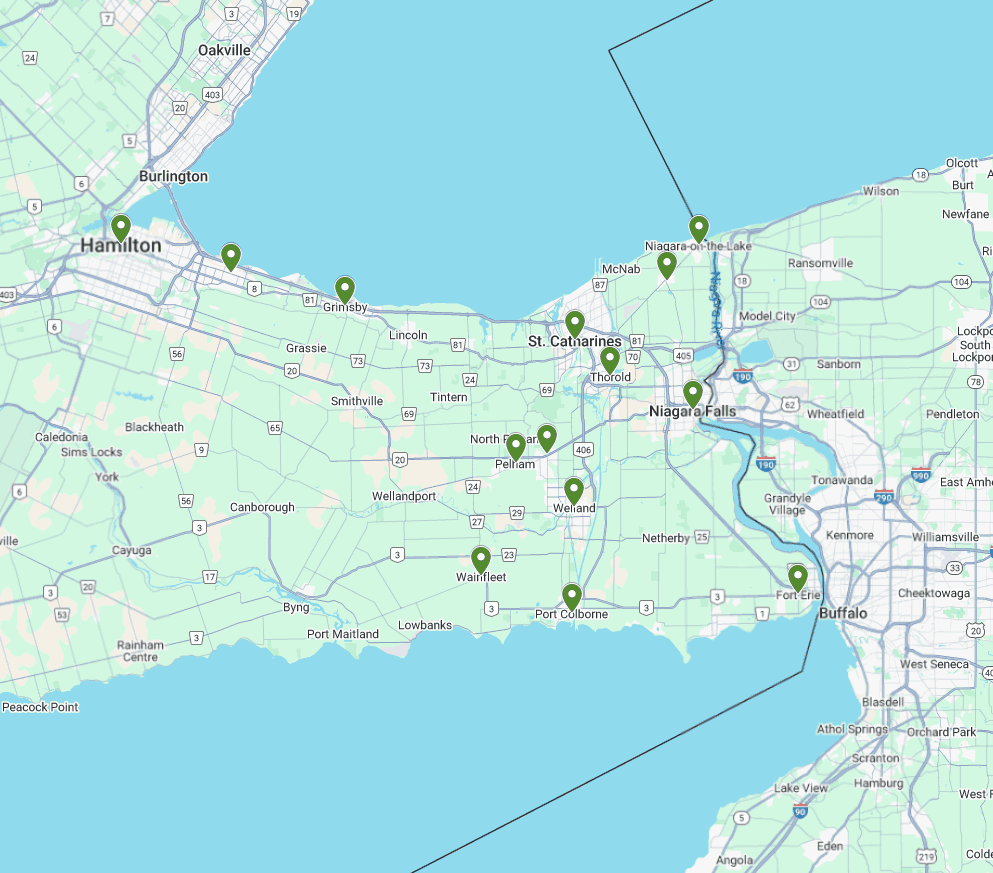
Our service areas encompass a wide range of locations, ensuring that we can meet the needs of our clients wherever they are. From bustling urban centers to serene rural landscapes, we are committed to providing top-notch services tailored to each unique environment.