



Furnace installation in Grimsby, ON guide describes how a professional, code-compliant installation delivers safe venting, precise sizing, and reliable furnace performance. It covers pre-installation assessments, heat-loss calculations, ductwork checks, and choosing high-efficiency units, then details installation steps, safety inspections, commissioning, and customer walkthroughs. It also describes warranties, financing options, and maintenance guidance to maximize comfort, energy efficiency, and long-term reliability for Grimsby homes throughout cold seasons. It emphasizes professional support, clear expectations, and ongoing care to protect your investment.
-min.jpeg)
furnace installation in Grimsby, ON
Replacing or installing a furnace in Grimsby, ON is a critical decision for comfort, safety, and long-term energy costs. With cold, lake-influenced winters and older housing stock in many neighbourhoods, selecting the right high-efficiency furnace and having it installed correctly matters. This page explains what a professional furnace installation involves, common issues Grimsby homeowners face, how we size and prepare your home, and what you should expect from a code-compliant, fully commissioned installation.
Why a professional furnace installation matters in Grimsby, ON
Grimsby experiences long heating seasons and frequent temperature swings because of proximity to Lake Ontario. That means inefficient or improperly sized furnaces lead to higher gas bills, uneven heating, and premature equipment wear. A professional installation ensures:
- Correct sizing so the furnace runs efficiently and provides consistent heat
- Proper venting and combustion safety that meets Ontario regulations and TSSA requirements
- Compatibility with existing ductwork and controls to maximize comfort and indoor air quality
- Warranty protection and documentation necessary for long-term equipment coverage
Common furnace replacement needs and issues in Grimsby homes
Many homes in Grimsby present recurring situations that lead to furnace replacement or new installation:
- Old furnaces with declining efficiency and frequent breakdowns
- Undersized units after a renovation or home addition
- Poor indoor air quality driven by leaky ducts and dated filtration
- Safety concerns from cracked heat exchangers or improper venting
- Conversion needs when changing fuel types or upgrading to high-efficiency condensing furnaces
Pre-install consultation: assessment and recommendations
A proper installation begins with a thorough on-site consultation. Key elements during this phase include:
- Review of the home’s heating history, existing equipment, and comfort complaints
- Heat loss calculation using room-by-room factors, insulation levels, window types, and occupancy patterns
- Inspection of existing ductwork, return locations, and airflow capacity
- Assessment of venting options and gas or electrical supply capacity
- Discussion of compatible high-efficiency units, estimated operating savings, and warranty choices
This pre-installation review prevents common problems like oversizing, inadequate airflow, and ventilation conflicts that can occur in older Grimsby homes.
Sizing and ductwork assessment
Proper sizing is one of the most important steps. Technicians use detailed heat load calculations rather than rule-of-thumb sizing to determine:
- Required BTU output for peak winter conditions in Grimsby
- Appropriate furnace modulation or staging to reduce cycling
- Necessary furnace airflow rates in CFM to match ductwork
The ductwork assessment looks for:
- Leaks or disconnected sections lowering efficiency
- Undersized returns or supplies causing uneven rooms
- Opportunities to add zoning or smarter thermostat placement
Recommendations may include duct sealing, adding returns, or simple balancing to ensure the new furnace performs as designed.
Choosing a compatible high-efficiency unit
High-efficiency options include modulating, two-stage, or single-stage furnaces with AFUE ratings commonly above 95% for condensing models. Selection criteria:
- Matching unit capacity to calculated load to avoid short-cycling
- Ensuring compatibility with existing or planned thermostats and controls
- Considering variable-speed blowers for better humidity control and comfort
- Evaluating venting type: direct vent, power vent, or category-specific venting for condensing units
Equipment selection balances upfront investment with expected fuel savings and long-term reliability for Niagara Region winters.
Installation procedures: what professionals do
A professional installation follows a methodical process:
Technicians follow manufacturer instructions and local codes at every step to safeguard performance and safety.
Safety, code compliance, and inspection
Installations adhere to Ontario regulations and TSSA guidelines for gas appliances. Key safety checks include:
- Combustion air verification and proper vent clearances
- Gas tightness testing and appliance pressure checks
- Carbon monoxide safety measures and placement of CO detectors as required
- Combustion efficiency and venting integrity tests
Documentation is provided for warranties and potential municipal inspections.
Post-install commissioning, testing, and customer walkthrough
After mechanical work is complete, the furnace is commissioned and tested:
- Start-up procedures confirm safe ignition and stable operation
- Airflow and temperature rise measurements ensure correct performance
- Efficiency and draft checks validate proper venting and combustion
- System setup for thermostat, staging, and fan controls
A technician walks through the system operation with the homeowner, explaining maintenance intervals, filter types, warranty terms, and what to monitor during the first heating season. The site is cleaned and left ready for use.
Warranty coverage and financing options
Professional installations include clarity on:
- Manufacturer warranty on the furnace and components
- Labour warranty for installation workmanship
- Registration and documentation required to maintain coverage
Financing options are commonly available to spread capital costs over time. Homeowners should review terms, balloon payments, and how financing may affect eligibility for manufacturer warranties.
Long-term benefits and maintenance advice
A professionally installed, correctly sized high-efficiency furnace provides:
- Lower annual heating costs in Grimsby’s long heating season
- More consistent comfort across living spaces
- Reduced repair frequency with modern components
- Better indoor air quality with proper filtration and duct sealing
Maintenance tips to protect your investment:
- Replace filters regularly and use the correct MERV rating for your system
- Schedule annual tune-ups before the heating season
- Keep vents and returns clear of obstructions
- Monitor CO detectors and have any unusual noises checked promptly
A properly installed furnace tailored to Grimsby conditions not only heats your home reliably, it also reduces energy waste and protects indoor comfort for years to come.

Customer Testimonials

We had an amazing experience getting our new furnace installed with Niagara Home Heating. The owner was very helpful, their quote was more then competitive and the technician who installed the unit was professional and friendly. I would recommend their services.

I called John today at 2:pm as my AC was not working and I wasn’t expecting even a call back as I knew with this hot weather we have had he would be swamped with calls. Well he called me back and showed at 8:pm on the same day to fix my AC. That is just incredible service and how much John really cares about his clients. Thank you John !
Very efficient company. I needed an old solar water heater removed from my roof. They were quick to book an appointment for the next day after I sent photos. They were very knowledgeable of the issue. The 2 guys that came were friendly and competent with the job, including removal of all parts.
I had an issue with my hot water tank and called Niagara Home Heating. Their service was fantastic and reasonably priced—exactly how a business should be run!
I have used Niagara Home heating for multiple projects for over 16 years. John and his staff are absolutely the best. I tell all my friends and family about Niagara Home Heating because you won’t get any better service or pricing anywhere in Niagara. He has saved me thousands and thousands of dollars and has never let me down.
Lifesavers!! The AC in our house decided to quit the day we were passing the keys to the new owners!! Instead of making a service call to the house, John coached me through the minor repair over the phone, saving me the money and time waiting for a repair person to come.Much appreciated! Thanks again John

Service Areas
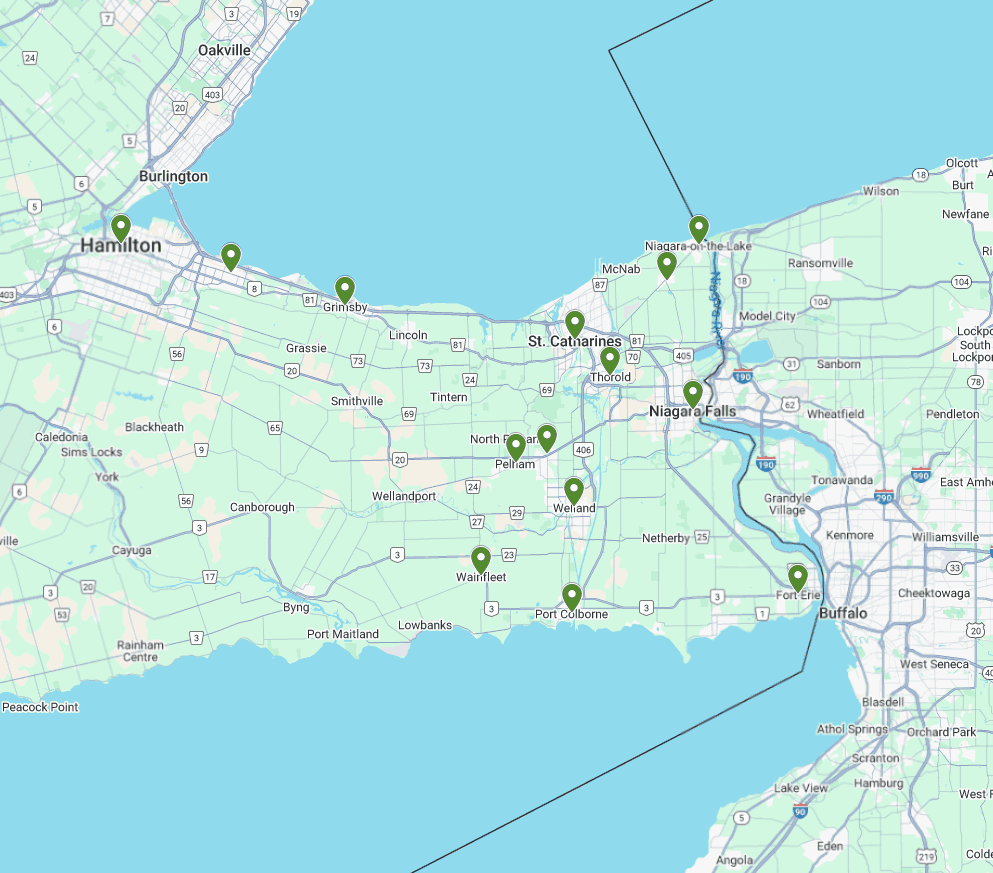
Our service areas encompass a wide range of locations, ensuring that we can meet the needs of our clients wherever they are. From bustling urban centers to serene rural landscapes, we are committed to providing top-notch services tailored to each unique environment.