



Heating repair in Grimsby, ON delivers fast, thorough diagnostics and durable solutions for furnaces, boilers and heat pumps, prioritizing safety and reliability. Technicians identify root causes, describes repair options, and minimize follow-up visits with durable parts and clear timelines. The service includes 24/7 emergency response, preventative maintenance guidance, and practical tips to reduce future failures. From common faults to long-term decisions about repair versus replacement, It describes what to expect and how to keep heating systems performing efficiently in Grimy's climate.
-min.jpeg)
Heating repair in Grimsby, ON
Keeping heat flowing reliably in Grimsby homes is essential — especially during cold, wind-driven winters off Lake Ontario. Heating repair in Grimsby, ON focuses on restoring safe, efficient operation for furnaces, boilers and heat pumps, diagnosing the root cause quickly, and recommending durable solutions that minimize repeat visits. It describes what to expect from professional heating repair: common faults in this region, diagnostic steps, typical timelines, parts and labor considerations, 24/7 emergency response for urgent breakdowns, and practical ways to reduce future problems.
Why timely heating repair matters in Grimsby
Grimsby’s climate brings chilly nights and sudden temperature swings in spring and fall. Delaying repairs can cause:
- Increased energy bills from inefficient combustion or restricted airflow
- Greater wear that turns a small fix into a costly replacement
- Safety risks such as carbon monoxide leaks or electrical faults
- Inconvenience or property damage when pipes or radiators are affected
Prompt, professional repair protects comfort, safety and the lifespan of your system.
Common heating system issues in Grimsby
Different systems show different failure modes. The most frequent problems technicians diagnose locally include:
Furnace problems
- Furnace won’t start or cycles on and off (short cycling)
- No heat despite blower running
- Strange noises: banging, rattling, or high-pitched squeal
- Pilot/ignition failures (ignitor or flame sensor issues)
- Dirty burners or clogged filters restricting airflow
- Weak airflow from ducts (blower motor or capacitor failure)
- Faulty control board or thermostat communication errors
Boiler problems
- No hot water or uneven heat in radiators/baseboards
- Leaking at valves, fittings, or heat exchanger
- Low pressure or pressure loss in the system
- Kettling noises from scale buildup or incomplete combustion
- Circulator pump failure or air trapped in system
Other systems
- Heat pump defrost faults or loss of heating mode
- Tankless systems with flow or ignition problems
- Combustion, venting or flue blockages affecting safety and efficiency
Diagnostic process — what technicians do
A thorough diagnostic finds the root cause instead of just treating symptoms. Expect technicians to:
- Perform a safety check: verify carbon monoxide detectors, gas supply, electrical connections and flue/vent integrity.
- Inspect controls and thermostat: confirm setpoints, wiring and communication with the control board.
- Check ignition and combustion: examine ignitor, flame sensor, burners and perform combustion analysis when required.
- Evaluate airflow and heat transfer: inspect filters, blower, ducts, coils or heat exchanger for restrictions or damage.
- Test hydraulic components (boilers): check pressure, relief valve, circulator pump operation and look for visible leaks.
- Run diagnostic tests: use multimeters, combustion analyzers, pressure gauges and system-specific tools.
- Provide a clear repair plan and explain replacement part options and expected timelines.
Technicians typically document findings and explain why a repair or replacement is recommended, with attention to safety and longevity.
Parts, labor and what affects repair decisions
Common parts replaced during heating repair in Grimsby include:
- Ignitors, flame sensors and pilot assemblies
- Blower motors, capacitors and belts
- Control boards, relays and thermostats
- Gas valves and burners
- Heat exchangers (for furnaces) and circulator pumps (for boilers)
- Relief valves, expansion tanks and pressure switches (for hydronic systems)
Factors that influence repair options and labor time:
- Age and condition of the system (older units may be less economical to repair)
- Availability of OEM or compatible replacement parts
- Extent of required access and time to disassemble components
- Safety issues such as cracked heat exchangers or severe corrosion
- Whether the appliance is under warranty or covered by service agreements
Labor is generally billed for diagnostic time and the actual repair work. Warranties on parts and workmanship affect long-term value; ensure any repair includes clear warranty coverage.
Expected repair timelines
Timelines vary by issue complexity and parts availability:
- Minor repairs (filters, thermostats, simple ignitor or sensor swaps): typically completed within 1 to 4 hours.
- Moderate repairs (blower motor replacement, gas valve, circulator pump): often completed same day if parts are on hand, or within 24–48 hours when parts must be ordered.
- Major repairs or system components (heat exchanger replacement, extensive wiring or boiler heat exchanger work): can require multiple days for parts procurement and safe, tested installation.
- Emergency situations requiring temporary fixes (to restore heat immediately) followed by scheduled replacement work: technicians may make a safe, temporary repair and return for a full fix the next day or week.
These timelines account for common regional delays such as seasonal parts demand during cold snaps.
24/7 emergency furnace repair in Grimsby
When a furnace or boiler fails unexpectedly in freezing temperatures, emergency repair prioritizes safety and rapid restoration:
- Immediate safety assessment (carbon monoxide, gas leaks, electrical hazards)
- Temporary measures to restart safely when appropriate (reset procedures, temporary component swaps)
- Prioritized dispatch to restore heat as quickly as possible
- Clear guidance on safe interim measures for occupants (ventilation, avoiding closed-off rooms, turning off gas if needed)
Emergency response is intended to stabilize the home and protect occupants until a long-term repair or replacement can be completed.
Preventive recommendations to reduce future repairs
Routine maintenance lowers repair frequency and increases efficiency. Recommended practices for Grimsby homes:
- Annual heating tune-up each fall: combustion checks, burner cleaning, gas pressure check, safety control testing and lubrication where needed
- Replace or clean filters every 1–3 months depending on usage and indoor air conditions
- Install and test carbon monoxide detectors on every level and near sleeping areas
- Keep supply and return vents clear and ensure exterior vents and flues are unobstructed by snow, ice or debris
- Bleed radiators and check boiler pressure annually; flush hydronic systems if there is scale or sludge buildup
- Consider upgrading older thermostats to programmable or smart models to reduce cycling and energy use
- Address small issues early (noises, odd smells, increased cycling) before they escalate
Long-term considerations: repair vs replacement
Deciding between repair and replacement depends on:
- Age of the unit and estimated remaining life
- Frequency and cost of past repairs
- Energy efficiency gains from newer equipment
- Safety findings (e.g., cracked heat exchanger requires careful evaluation)
A knowledgeable technician will provide transparent options focused on safety, efficiency and long-term value.

Customer Testimonials

Lifesavers!! The AC in our house decided to quit the day we were passing the keys to the new owners!! Instead of making a service call to the house, John coached me through the minor repair over the phone, saving me the money and time waiting for a repair person to come.Much appreciated! Thanks again John

Very efficient company. I needed an old solar water heater removed from my roof. They were quick to book an appointment for the next day after I sent photos. They were very knowledgeable of the issue. The 2 guys that came were friendly and competent with the job, including removal of all parts.
We had an amazing experience getting our new furnace installed with Niagara Home Heating. The owner was very helpful, their quote was more then competitive and the technician who installed the unit was professional and friendly. I would recommend their services.
I have used Niagara Home heating for multiple projects for over 16 years. John and his staff are absolutely the best. I tell all my friends and family about Niagara Home Heating because you won’t get any better service or pricing anywhere in Niagara. He has saved me thousands and thousands of dollars and has never let me down.
I called John today at 2:pm as my AC was not working and I wasn’t expecting even a call back as I knew with this hot weather we have had he would be swamped with calls. Well he called me back and showed at 8:pm on the same day to fix my AC. That is just incredible service and how much John really cares about his clients. Thank you John !
I had an issue with my hot water tank and called Niagara Home Heating. Their service was fantastic and reasonably priced—exactly how a business should be run!

Service Areas
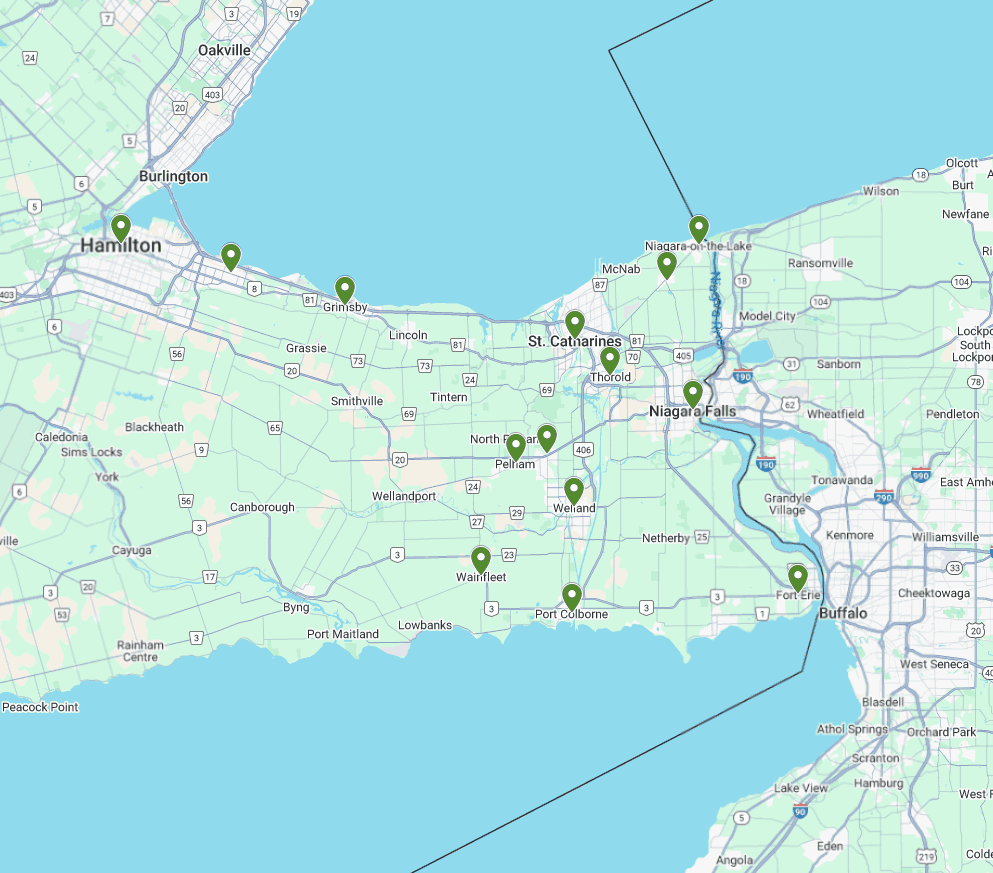
Our service areas encompass a wide range of locations, ensuring that we can meet the needs of our clients wherever they are. From bustling urban centers to serene rural landscapes, we are committed to providing top-notch services tailored to each unique environment.