



Seasonal heating maintenance in Grimsby, ON helps homes stay warm, safe, and efficient through long winters by preventing unexpected outages and reducing energy use. This service describes a comprehensive program, local issues like humidity, salt exposure, and aging ductwork, and the inspection steps that ensure reliable performance. It also explains maintenance agreements, recommended schedules, and practical homeowner tips to extend equipment life, improve safety, and maximize comfort during harsh seasonal conditions. Learn what to expect during a visit and how to start a plan.
-min.jpeg)
Heating maintenance in Grimsby, ON
Keeping your home warm and safe through Grimsby’s cold, lake-effect winters requires more than a working furnace — it requires planned, professional heating maintenance. Regular seasonal maintenance helps prevent mid-winter breakdowns, reduces energy bills, extends equipment life, and keeps combustion systems operating safely. This It describes describess comprehensive seasonal heating maintenance programs tailored for Grimsby, ON homes, explains common local issues, details typical inspection and servicing steps, and describes the benefits and options for maintenance agreements.
Why seasonal heating maintenance matters in Grimsby, ON
Grimsby’s climate means long heating seasons, heavy humidity swings, and occasional rapid temperature changes. Homes near Lake Ontario often face higher humidity and salt-laden air in winter, which can accelerate corrosion on exterior venting and outdoor components. Many local houses are older with original ductwork or aging furnaces, increasing the likelihood of leaks, reduced airflow, and efficiency loss. Seasonal heating maintenance in Grimsby, ON ensures your system is tuned for peak performance before the coldest months and inspected for wear that winter conditions can exacerbate.
Common heating maintenance issues in Grimsby homes
- Clogged or dirty filters — reduces airflow, increases strain on the blower, and raises energy use.
- Restricted vents and duct leaks — common in older homes and renovations; cause uneven heating and wasted energy.
- Dirty burners and heat exchangers — buildup lowers combustion efficiency and can create safety concerns.
- Blower motor and belt wear — noisy operation, lower airflow, and potential failure when needed most.
- Thermostat calibration and controls — miscalibration leads to short-cycling or inconsistent temperatures.
- Condensate and flue problems — blocked condensate drains or corroded flues can cause shutdowns and safety risks.
- Heat pump seasonal issues — refrigerant level checks and reversing valve inspection are important before freeze-thaw cycles.
- Carbon monoxide and combustion irregularities — cracked heat exchangers or improper venting require immediate attention.
What a comprehensive seasonal heating maintenance program includes
A full program addresses safety, efficiency, and reliability through a standard set of inspections and services performed in a single visit or a scheduled series:
- Visual inspection of the furnace/boiler/heat pump, venting, and accessible ductwork.
- Air filter check and replacement recommendations (and replacement if included in the plan).
- Combustion chamber and burner cleaning for gas and oil systems to restore efficient combustion.
- Heat exchanger and flue inspection for cracks, corrosion, or blockages affecting safety.
- Blower assembly service — cleaning, lubrication, belt inspection and adjustment if needed.
- Ignition system and safety control tests — pilot, electronic ignition, limit switches, and safety interlocks.
- Thermostat test and calibration to ensure accurate temperature control and system cycling.
- System performance and efficiency checks — measured temperature rise, pressure, and airflow diagnostics.
- Carbon monoxide and safety tests — measuring for combustion byproducts and verifying safe venting.
- Duct and vent inspection for leaks, blockages, or poor insulation points.
- Heat pump-specific checks — refrigerant level, reversing valve, defrost cycle, and outdoor coil cleaning.
Inspection and diagnostic process (what to expect)
A technician performing heating maintenance will follow a logical diagnostic flow:
- Confirm system type, age, and prior service history.
- Run safety checks (gas shutoff, electrical, carbon monoxide baseline).
- Inspect and test the ignition and safety devices.
- Measure airflow, temperature rise, and combustion efficiency where applicable.
- Clean accessible components (filters, burners, blower, flame sensor).
- Identify wear items and recommend repairs or replacements with clear explanations.
- Document findings and provide a maintenance record and schedule recommendation.
This transparent process helps homeowners in Grimsby understand immediate needs versus proactive upgrades that will deliver long-term savings.
Repairs and solutions explained in plain language
When maintenance uncovers issues, common solutions include:
- Replacing filters, belts, or capacitors to restore reliable mechanical operation.
- Sealing and insulating ductwork to eliminate heat loss and improve comfort.
- Cleaning or replacing burners and sensors to reduce fuel use and minimize cycling.
- Repairing or replacing heat exchangers, flues, or venting components when safety is compromised.
- Tuning or replacing thermostats and controls for better scheduling and reduced run times.
- For heat pumps, adjusting refrigerant charge and clearing outdoor unit debris to maintain COP (efficiency).
Each repair is explained in simple terms: what failed, why it matters, and how the fix improves safety or efficiency.
Maintenance agreements and recommended service schedules
Maintenance agreements are commonly offered to simplify upkeep and deliver extra value. Typical features you can expect in a heating maintenance agreement:
- Annual or biannual scheduled visits (annual for most furnaces and boilers; twice yearly for heat pumps to cover pre-winter and pre-summer checks).
- Priority scheduling during peak cold snaps and predefined service windows.
- Discounts on parts and repairs and a maintenance log for warranty support.
- Seasonal reminders so inspections occur before heavy use seasons.
- Safety and performance checklist provided after each visit.
Recommended schedule examples:
- Gas furnace or boiler: one professional inspection and tune-up every 12 months, ideally in early fall.
- Heat pump: two checkups per year — once before cooling season and once before heating season.
- Older systems or homes with heavy dust/pet use: consider filter replacements every 1–3 months and semiannual professional checks.
Benefits of regular heating maintenance and homeowner tips
Regular maintenance delivers measurable benefits: improved efficiency (lower energy bills), fewer emergency repairs, longer equipment life, safer operation, and steadier home comfort. In Grimsby, where winters can be prolonged and damp, keeping vents clear, ensuring condensate lines are open, and protecting outdoor equipment from salt spray and snow drifts preserves performance and reduces corrosion risks.
Homeowner maintenance tips:
- Change or clean filters regularly based on manufacturer guidance and household conditions.
- Keep the furnace area clear of storage and flammable materials.
- Ensure outdoor units and vents are free from snow and debris.
- Test smoke and carbon monoxide detectors monthly.
- Note unusual sounds or cycling patterns and schedule a service inspection before performance degrades.
Regular seasonal heating maintenance in Grimsby, ON is an investment that reduces stress during winter, improves comfort, and protects your heating system from climate-related wear. Following recommended service schedules and participating in a maintenance agreement can maintain system efficiency and safety for years to come.

Customer Testimonials

Lifesavers!! The AC in our house decided to quit the day we were passing the keys to the new owners!! Instead of making a service call to the house, John coached me through the minor repair over the phone, saving me the money and time waiting for a repair person to come.Much appreciated! Thanks again John

We had an amazing experience getting our new furnace installed with Niagara Home Heating. The owner was very helpful, their quote was more then competitive and the technician who installed the unit was professional and friendly. I would recommend their services.
Very efficient company. I needed an old solar water heater removed from my roof. They were quick to book an appointment for the next day after I sent photos. They were very knowledgeable of the issue. The 2 guys that came were friendly and competent with the job, including removal of all parts.
I called John today at 2:pm as my AC was not working and I wasn’t expecting even a call back as I knew with this hot weather we have had he would be swamped with calls. Well he called me back and showed at 8:pm on the same day to fix my AC. That is just incredible service and how much John really cares about his clients. Thank you John !
I have used Niagara Home heating for multiple projects for over 16 years. John and his staff are absolutely the best. I tell all my friends and family about Niagara Home Heating because you won’t get any better service or pricing anywhere in Niagara. He has saved me thousands and thousands of dollars and has never let me down.
I had an issue with my hot water tank and called Niagara Home Heating. Their service was fantastic and reasonably priced—exactly how a business should be run!

Service Areas
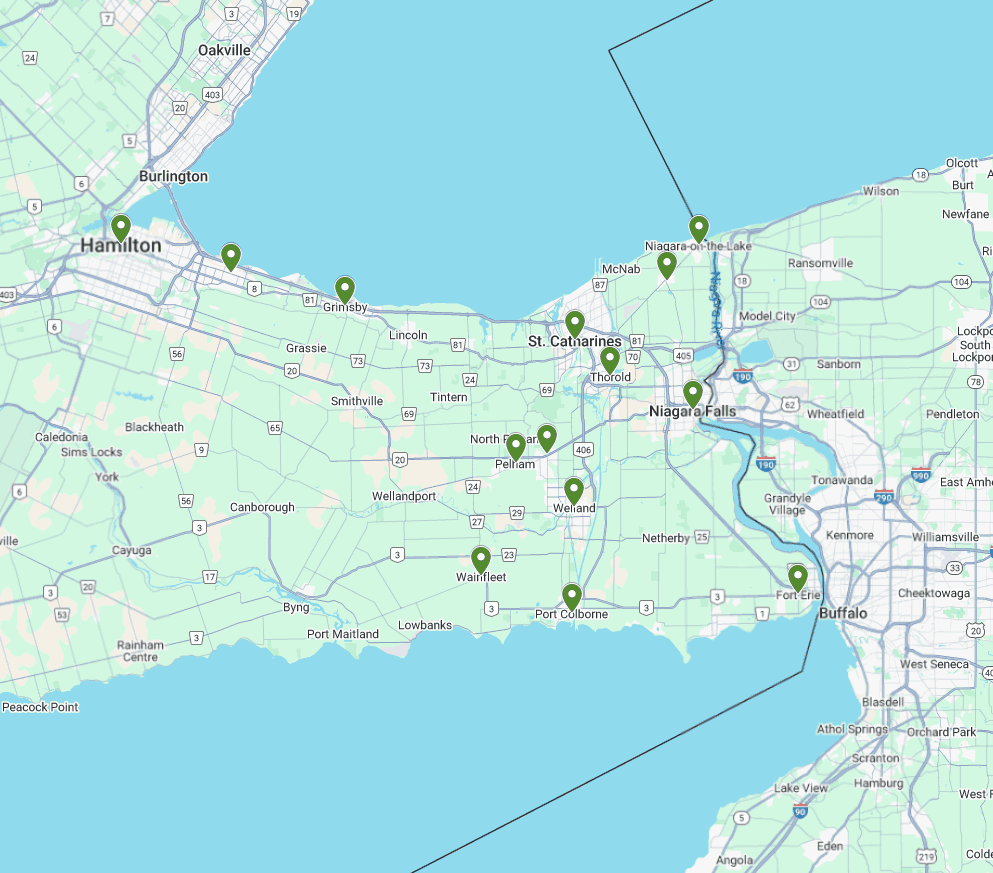
Our service areas encompass a wide range of locations, ensuring that we can meet the needs of our clients wherever they are. From bustling urban centers to serene rural landscapes, we are committed to providing top-notch services tailored to each unique environment.