



It describes 24/7 emergency furnace repair in Stoney Creek, ON, detailing urgent scenarios, rapid on-site diagnostics, and safety measures. It describes common failures, from no heat to gas leaks and CO alerts, and describes on-site repair capabilities, temporary heat solutions, and clear indicators for replacement. It also covers expected response times, upfront pricing, and homeowner prep steps before arrival. By prioritizing safety, reliability, and transparency, the service aims to restore warm, comfortable homes quickly.
-min.jpeg)
furnace emergency-furnace-repair in Stoney Creek, ON
When your furnace fails in the middle of a cold Stoney Creek night, it is more than an inconvenience — it can be a safety and comfort emergency. Our 24/7 emergency-furnace-repair in Stoney Creek, ON content describes what to expect when you need immediate help: typical urgent scenarios, fast diagnostics and temporary safety measures, on-site repair capabilities, realistic response expectations, clear emergency pricing practices, and exactly what homeowners should do before the technician arrives. This information is tailored for Stoney Creek homes, where cold winters, lake-effect conditions, and older housing stock increase the risk and urgency of heating failures.
Common furnace emergency scenarios in Stoney Creek
Emergency furnace repair calls typically involve one of these urgent situations:
- Complete system failure with no heat during freezing temperatures.
- Intermittent heating that shuts down unexpectedly or cycles off rapidly.
- No ignition or pilot light on older gas furnaces.
- Strong gas odor or suspected gas leak near the furnace.
- Carbon monoxide (CO) alarm activation or symptoms of CO exposure (headache, dizziness, nausea).
- Blower motor failures preventing air circulation.
- Frozen condensate lines or blocked flues creating hazardous operation.
- Electrical failures affecting safety controls, fuses, or thermostats.
Many of these issues are more common in Stoney Creek during prolonged cold snaps when furnaces are working at peak demand, or after snow and ice cause venting problems and sealed combustion issues.
Rapid diagnostic process and immediate safety measures
In an emergency, technicians prioritize safety and fast, accurate diagnosis. Typical on-site workflow:
- Verify thermostat and electrical supply.
- Confirm ignition, gas valve operation, and flame characteristics.
- Test pressure switches, limit switches, inducer motors, and blower operation.
- Check venting and condensate drainage for blockages or icing.
Immediate safety actions when necessary:
- Shut down the furnace if unsafe conditions are detected.
- Isolate gas supply if a leak is suspected and advise evacuation.
- Provide ventilation guidance and monitor CO readings until levels are safe.
- Implement temporary measures such as bypassing a failed control (when safe and code-compliant) to restore heat while awaiting parts.
Technicians bring essential diagnostic tools and common emergency parts to perform on-site repairs when possible: ignition modules, pressure switches, limit switches, condensate traps, belts, thermostats, and basic control boards. If major parts or a replacement unit are required, the technician will secure a safe temporary solution and present options.
On-site repair capabilities and when replacement is recommended
- On-site repairs: ignition repair, pressure switch replacement, blower motor fixes, condensate line thawing or clearing, sensor and limit switch replacement, simple control board repairs, and minor gas valve or burner cleaning.
- Temporary solutions: a technician may implement a short-term fix to restore heat safely until a permanent repair or replacement can be scheduled. These are documented and explained.
- Replacement indicators: repeated breakdowns, unsafe components, extensive corrosion, frequent control board failures, units beyond typical service life, or when repair costs approach the value of a new, more efficient furnace.
Technicians will explain repair versus replacement with clear reasoning related to safety, reliability, and long-term cost of ownership—especially important in Stoney Creek where winter reliability matters.
Expected response times and transparent emergency pricing
- Typical local response: emergency calls within Stoney Creek are prioritized; arrival windows are determined by call volume, time of day, and road conditions. In many cases, local technicians aim to respond faster than non-local services, particularly when roads are clear and technicians are already operating nearby.
- Transparency in emergency pricing: emergency service fees are disclosed up front during the triage call. You will be informed of the emergency dispatch charge, diagnostic fee, and any labor rate variations for after-hours service. Any parts or additional work are estimated and explained before proceeding whenever possible.
- Documentation: technicians provide a detailed report after service showing diagnostics, work performed, parts used, temporary measures applied, and recommendations for follow-up repairs or replacement. Warranty information on parts and labor is included where applicable.
What homeowners in Stoney Creek should do before the technician arrives
Follow these prioritized safety and prep steps to protect your home and help the technician work efficiently:
- If a carbon monoxide alarm is sounding or you suspect CO exposure:
- Immediately evacuate the home to fresh air.
- Call local emergency services (911 in Canada) from a safe location.
- Do not re-enter until authorities say it is safe.
- If you smell gas:
- Do not operate switches, appliances, or phones inside the home.
- Evacuate and call the gas utility or emergency services from a safe distance.
- If there is no heat but no gas or CO threat:
- Check the thermostat settings and replace batteries if needed.
- Verify the furnace power switch and circuit breaker are on and not tripped.
- If the unit has a reset button, do not repeatedly press it; a single reset is appropriate.
- Clear snow and ice from exterior vents and outdoor equipment; safe clearance helps combustion and venting.
- Open a cabinet under the furnace (if applicable) to check for water leaks or obvious signs of trouble, and move flammable items away.
- Prepare the work area:
- Create clear access to the furnace and thermostat.
- Secure pets and small children away from the work area.
- Have recent service history or warranty documents available if possible.
Benefits of timely emergency furnace repair and maintenance tips for Stoney Creek homes
Acting quickly reduces risks and long-term costs:
- Safety: prompt response mitigates carbon monoxide risk, gas leaks, and electrical hazards.
- Comfort and health: restoring heat prevents frozen pipes and protects vulnerable family members.
- Cost control: small emergency repairs often prevent larger, more expensive failures later.
- Efficiency: addressing failing components improves seasonal efficiency and reduces energy bills.
Seasonal maintenance tips for Stoney Creek:
- Annual professional tune-ups before winter peak demand.
- Replace filters regularly, especially after heavy dust or renovation work.
- Keep outdoor vents and intake areas clear of snow and ice.
- Install and regularly test carbon monoxide detectors on each level of the home.
Prompt, professional emergency-furnace-repair in Stoney Creek, ON balances safety, speed, and transparency. Knowing what to expect and how to prepare helps keep your family safe and your home warm during the coldest nights in Stoney Creek.

Customer Testimonials

I have used Niagara Home heating for multiple projects for over 16 years. John and his staff are absolutely the best. I tell all my friends and family about Niagara Home Heating because you won’t get any better service or pricing anywhere in Niagara. He has saved me thousands and thousands of dollars and has never let me down.

We had an amazing experience getting our new furnace installed with Niagara Home Heating. The owner was very helpful, their quote was more then competitive and the technician who installed the unit was professional and friendly. I would recommend their services.
Very efficient company. I needed an old solar water heater removed from my roof. They were quick to book an appointment for the next day after I sent photos. They were very knowledgeable of the issue. The 2 guys that came were friendly and competent with the job, including removal of all parts.
I had an issue with my hot water tank and called Niagara Home Heating. Their service was fantastic and reasonably priced—exactly how a business should be run!
Lifesavers!! The AC in our house decided to quit the day we were passing the keys to the new owners!! Instead of making a service call to the house, John coached me through the minor repair over the phone, saving me the money and time waiting for a repair person to come.Much appreciated! Thanks again John
I called John today at 2:pm as my AC was not working and I wasn’t expecting even a call back as I knew with this hot weather we have had he would be swamped with calls. Well he called me back and showed at 8:pm on the same day to fix my AC. That is just incredible service and how much John really cares about his clients. Thank you John !

Service Areas
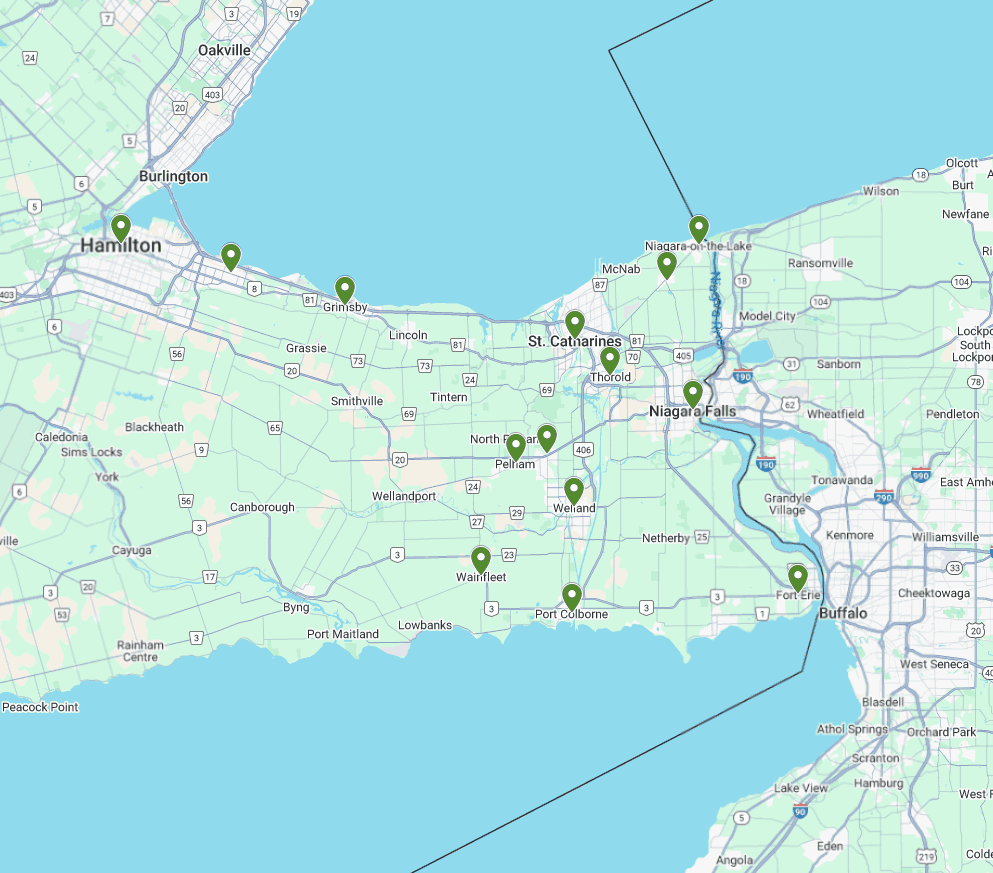
Our service areas encompass a wide range of locations, ensuring that we can meet the needs of our clients wherever they are. From bustling urban centers to serene rural landscapes, we are committed to providing top-notch services tailored to each unique environment.