



This guide describes the furnace installation process in Stoney Creek, ON, from initial home assessment and load calculation to selecting an energy efficient model, obtaining permits, removing old equipment, and professional installation. It covers commissioning, safety testing, and warranty considerations, plus maintenance planning to protect long term performance. Homeowners learn how proper ductwork, venting, and air quality considerations influence comfort and energy bills, and what to expect during timelines, inspections, and post installation follow ups to safeguard investment. Clear guidance helps homeowners decide confidently.
-min.jpeg)
furnace installation in Stoney Creek, ON
Replacing or installing a furnace is one of the most important home investments for Stoney Creek homeowners. With cold Lake Ontario-influenced winters and wide temperature swings in shoulder seasons, a properly sized, code-compliant, energy-efficient furnace keeps your home comfortable, reduces energy waste, and protects indoor air quality. This page explains the full furnace installation process in Stoney Creek, ON—what to expect from assessment and permitting through removal, installation, commissioning, warranties, and maintenance—so you can decide with confidence.
Why professional furnace installation matters in Stoney Creek
- Stoney Creek homes often range from older character houses to modern subdivisions. Older homes may have undersized or degraded ductwork and unique venting needs.
- Cold, damp winters increase demand on heating systems; an undersized or poorly installed furnace results in short cycling, higher bills, and premature failure.
- Local municipal permit and code enforcement (City of Hamilton regulations apply) require licensed installation and proper venting and combustion air management to ensure safety.
Common furnace installation scenarios and issues
- Replacing an end-of-life natural gas furnace with a high-efficiency model.
- Upgrading from an older mid-efficiency furnace to a high-AFUE unit to save on energy bills.
- Switching fuel types (propane conversion or electric options) where available.
- Installing a right-sized system for a renovated or expanded home.
- Ductwork modifications, sealing, or zoning required to address uneven heating.
- Combustion and venting changes in older homes with masonry chimneys.
Step 1 — Home assessment and load calculation
A thorough installation starts with a detailed on-site assessment:
- Measure home square footage, insulation levels, window types, and orientation.
- Inspect existing ductwork, venting, and combustion air pathways.
- Perform a Manual J load calculation to determine precise heating requirements. This avoids oversizing (higher upfront cost, short cycling) or undersizing (inadequate comfort).
- Identify any retrofit needs: new venting, gas line updates, flue repairs, or duct sealing.
Step 2 — Choosing the right energy-efficient model
Key selection factors for Stoney Creek homes:
- AFUE rating (Annual Fuel Utilization Efficiency): higher AFUE means better fuel conversion and lower operating costs. For cold climates, choosing an energy-efficient model improves comfort and long-term savings.
- Capacity that matches the Manual J calculation.
- Venting type: direct vent, power vent, or natural draft depending on chimney condition and installation location.
- Reliability, parts availability, and manufacturer warranty. Consider systems with durable heat exchangers and proven service records.
- Compatibility with smart thermostats and zoning if you want targeted comfort control.
Step 3 — Permits and code compliance
- Local building permits and gas permits are typically required for furnace replacement or new installations under City of Hamilton rules. Proper permits ensure inspections for safe combustion air, venting, and gas connections.
- Installers should follow Ontario and municipal code requirements for clearances, ventilation, and carbon monoxide mitigation.
- Documentation for permits and inspections is part of responsible installation and necessary for warranty compliance.
Step 4 — Removal and disposal of old equipment
- Safe disconnection of gas lines, electrical, and flue components.
- Removal includes sealing and capping unused lines and disposing of the old furnace and associated parts in accordance with municipal disposal and environmental regulations.
- Recyclable metal components are separated where possible. Hazardous materials (if present) are handled per local guidelines.
Step 5 — Professional installation steps
- Secure and level the new unit in the designated location (basement, utility closet, or furnace room).
- Connect and test gas, electrical, and venting systems. Upgrade gas line sizing or regulator if required.
- Integrate with existing ductwork or install new trunk runs. Seal all joints with mastic or approved tape to prevent air leakage.
- Install condensate drainage on high-efficiency units and ensure proper slope and trap to prevent odors or backups.
- Integrate controls and thermostat, ensuring proper wiring, settings, and power interfacing.
Step 6 — System commissioning and testing
- Perform safety checks: gas pressure test, leak test, and flue draft verification.
- Test for carbon monoxide at the appliance and in the living space to confirm proper combustion and venting.
- Verify airflow, supply and return temperatures, and correct blower settings.
- Program the thermostat, demonstrate basic operation, and document start-up settings.
- Provide a commissioning checklist and handover documentation for the homeowner.
Warranty and maintenance options
- New units come with manufacturer parts and heat exchanger warranties. Confirm the length and terms for both.
- Ask about labor or installation warranties—these cover workmanship and are separate from manufacturer coverage.
- Annual maintenance protects warranty validity and optimizes efficiency. Recommended services include:
- Seasonal tune-up and safety inspection
- Filter change guidance and high-efficiency filter options
- Duct cleaning or sealing where needed
- Combustion and CO safety checks
- Consider a maintenance plan that includes priority seasonal service and discounted diagnostics for long-term peace of mind.
Expected timeline and factors affecting duration
- Typical replacement for a straightforward like-for-like furnace is completed in one day: morning removal, afternoon installation, commissioning and testing.
- Complex jobs that require ductwork modification, venting changes, structural adjustments, or permit-dependent inspections can extend the timeline to two or more days.
- Permit lead times vary; plan for the inspection schedule required by the municipality.
Final considerations and maintenance advice
A properly sized, installed, and commissioned furnace dramatically improves comfort and energy performance for Stoney Creek homes. To protect your investment:
- Keep filters changed on schedule and use recommended filter types.
- Schedule annual professional service before the heating season.
- Address drafty rooms and insulation gaps to reduce system strain.
- Monitor for unusual noises, frequent cycling, or elevated energy use—early fixes avoid costly failures.
Understanding the full furnace installation process—from load calculation and model selection to permits, safe removal, professional installation, and commissioning—helps homeowners in Stoney Creek make informed decisions that balance comfort, safety, and long-term value.

Customer Testimonials

I have used Niagara Home heating for multiple projects for over 16 years. John and his staff are absolutely the best. I tell all my friends and family about Niagara Home Heating because you won’t get any better service or pricing anywhere in Niagara. He has saved me thousands and thousands of dollars and has never let me down.

I called John today at 2:pm as my AC was not working and I wasn’t expecting even a call back as I knew with this hot weather we have had he would be swamped with calls. Well he called me back and showed at 8:pm on the same day to fix my AC. That is just incredible service and how much John really cares about his clients. Thank you John !
Very efficient company. I needed an old solar water heater removed from my roof. They were quick to book an appointment for the next day after I sent photos. They were very knowledgeable of the issue. The 2 guys that came were friendly and competent with the job, including removal of all parts.
We had an amazing experience getting our new furnace installed with Niagara Home Heating. The owner was very helpful, their quote was more then competitive and the technician who installed the unit was professional and friendly. I would recommend their services.
I had an issue with my hot water tank and called Niagara Home Heating. Their service was fantastic and reasonably priced—exactly how a business should be run!
Lifesavers!! The AC in our house decided to quit the day we were passing the keys to the new owners!! Instead of making a service call to the house, John coached me through the minor repair over the phone, saving me the money and time waiting for a repair person to come.Much appreciated! Thanks again John

Service Areas
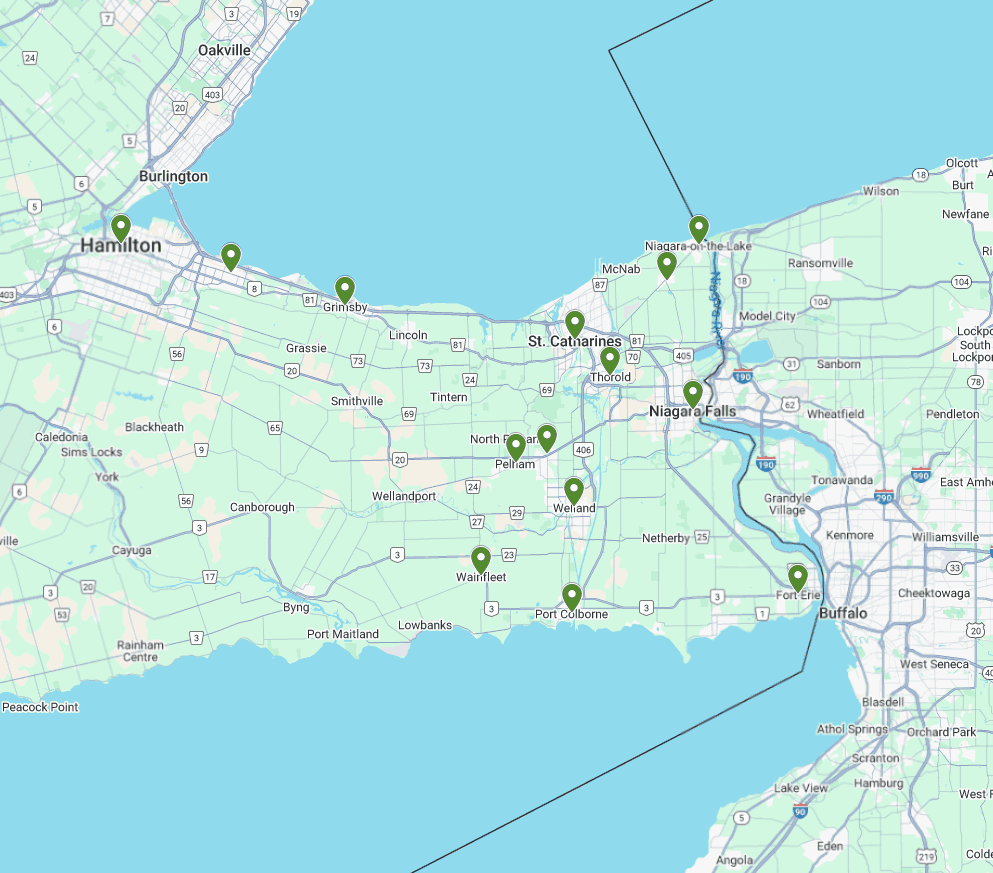
Our service areas encompass a wide range of locations, ensuring that we can meet the needs of our clients wherever they are. From bustling urban centers to serene rural landscapes, we are committed to providing top-notch services tailored to each unique environment.