



An expert guide to furnace repair in Stoney Creek, ON, outlining the importance of timely service, common ignition, blower, thermostat, and venting issues, and the diagnostic workflow used to safely identify faults. It covers typical on-site repairs with estimated times, qualification standards for Ontario gas-appliance technicians, available guarantees, and practical prevention steps such as regular pre-season tune-ups, filter care, clean vents, and CO safety measures. It emphasizes reliable heat, energy efficiency, and proactive maintenance to avoid emergency breakdowns, costly.
-min.jpeg)
furnace repair in Stoney Creek, ON
Keeping your furnace running reliably through Stoney Creek winters is essential for comfort, safety, and energy savings. Cold snaps, lake-effect weather, and older housing stock in the area can accelerate wear and expose weak components. This furnace repair guide explains what to expect during a professional service call, the most common faults we see in Stoney Creek homes, typical repair options and timelines, technician qualifications and service guarantees you should expect, and practical steps to reduce repeat failures.
Why timely furnace repair matters in Stoney Creek, ON
- Winter temperature extremes in the Hamilton/Stoney Creek area put extra stress on ignition systems, heat exchangers, and blowers.
- Delaying repairs often increases energy bills, shortens equipment life, and raises safety risks (including carbon monoxide).
- Prompt diagnostics restore comfort faster and prevent minor issues from becoming full replacements during peak seasons.
Common furnace repair issues in Stoney Creek homes
- Ignition problems
- Failed hot surface ignitors, faulty pilot assemblies, or ignition control modules. Symptoms: furnace won’t light, repeated attempts to ignite, or long ignition delays.
- Blower motor and fan failures
- Worn bearings, burned-out windings, or capacitor failures. Symptoms: weak airflow, strange noises, or the fan not running.
- Thermostat and control issues
- Incorrect calibration, dead batteries, or failed control boards. Symptoms: unit won’t turn on, short-cycling, or inconsistent temperatures between rooms.
- Airflow and duct problems
- Dirty filters, blocked returns, collapsed or leaky ducts. Symptoms: uneven heating, increased dust, or furnace short-cycling due to restricted airflow.
- Combustion and venting faults
- Clogged flue or vent, draft problems, or corrosion from humid conditions. Symptoms: yellow flames, soot, or frequent safety lockouts.
- Safety and limit switch failures
- Overheat limit switches, gas valve issues, or flame-sensing problems. Symptoms: furnace shuts off during run cycle or will not restart until reset.
- Heat exchanger concerns
- Cracks or corrosion in the heat exchanger are a serious safety risk. Symptoms: unusual smells, soot, or carbon monoxide alarms. Heat exchangers are often not repairable and require system replacement.
How a professional technician diagnoses a furnace issue
A proper furnace diagnosis follows a consistent, safety-first workflow:
Initial safety inspection
- Check for gas leaks, CO alarm readings, and visually inspect venting and combustion areas.
System startup and observation
- Run the unit through a full cycle to observe ignition, flame quality, fan operation, and any fault codes.
Electrical and control testing
- Test thermostats, control boards, sensors, capacitors, fuses, and wiring with multimeters and diagnostic tools.
Combustion and pressure checks
- Measure draft and combustion efficiency where applicable, and verify pressure switches and inducer operation.
Airflow and duct evaluation
- Inspect filters, blower wheel, and static pressure to identify restrictions or duct leaks.
Detailed reporting
- Provide clear findings, parts required, and a recommended repair plan with estimated time.
Typical diagnostic visits commonly take 30 to 60 minutes depending on access and system complexity.
Typical repairs and estimated repair times
Repair time varies by fault, furnace layout, and parts availability. Typical on-site estimates:
- Replace thermostat: 15 to 45 minutes
- Replace filter or clean blower wheel: 30 to 60 minutes
- Replace ignitor (hot surface): 30 to 90 minutes
- Replace flame sensor or gas valve component: 45 to 120 minutes
- Replace blower motor or capacitor: 1 to 3 hours
- Control board replacement: 1 to 2 hours
- Major repairs or heat exchanger replacement / furnace swap: several hours to a full day, often requiring system replacement
Parts replacement approaches
- Use OEM or OEM-equivalent parts matched to your furnace model for reliable operation.
- For older or frequently failing systems, technicians may recommend upgrading components or full system replacement when repair costs approach replacement value.
Technician qualifications and expected service guarantees
When hiring for furnace repair in Stoney Creek, ON, look for technicians who provide:
- Proper certification and licensing for gas appliance work in Ontario, with up-to-date safety and compliance training.
- Experience with a range of brands and both older and newer high-efficiency furnaces common in the Niagara/Hamilton region.
- Clear safety procedures: CO testing, gas leak checks, and proper venting verification.
- Service guarantees and workmanship warranties: parts and labor coverage for repairs, and a transparent warranty document.
A competent technician will document findings, explain options in plain language, and provide realistic timelines and warranty terms for parts and labor.
Recommendations to prevent repeat failures
- Annual pre-season tune-up
- Schedule inspection and cleaning before winter to catch wear before it becomes a breakdown.
- Change filters regularly
- Replace or clean filters every 1 to 3 months depending on use and household conditions.
- Keep vents and returns clear
- Ensure furniture or renovations do not block airflow; drywall dust during renovations is a frequent cause of sudden failures.
- Maintain good venting and combustion air
- Keep outdoor vents clear of snow, leaves, and debris, especially after lake-effect storms.
- Install CO and smoke detectors
- Test detectors regularly; a healthy furnace should never trigger CO alarms.
- Address humidity and duct cleanliness
- Stoney Creek’s seasonal humidity can promote dust build-up and corrosion; consider duct inspection and sealing for efficiency.
- Upgrade aging controls
- Replacing an unreliable thermostat or old control board can eliminate recurring intermittent faults.
Benefits of timely furnace repair
Timely repair restores reliable heat, lowers energy bills, extends equipment life, and protects your family from safety risks. For Stoney Creek homeowners, proactive maintenance and prompt attention to faults help your system handle cold winters and humidity swings while avoiding emergency replacements during peak demand.
By understanding diagnostics, typical repairs, realistic timelines, and prevention steps, you can make confident decisions when your furnace needs professional attention in Stoney Creek, ON.

Customer Testimonials

We had an amazing experience getting our new furnace installed with Niagara Home Heating. The owner was very helpful, their quote was more then competitive and the technician who installed the unit was professional and friendly. I would recommend their services.

Very efficient company. I needed an old solar water heater removed from my roof. They were quick to book an appointment for the next day after I sent photos. They were very knowledgeable of the issue. The 2 guys that came were friendly and competent with the job, including removal of all parts.
I had an issue with my hot water tank and called Niagara Home Heating. Their service was fantastic and reasonably priced—exactly how a business should be run!
I have used Niagara Home heating for multiple projects for over 16 years. John and his staff are absolutely the best. I tell all my friends and family about Niagara Home Heating because you won’t get any better service or pricing anywhere in Niagara. He has saved me thousands and thousands of dollars and has never let me down.
Lifesavers!! The AC in our house decided to quit the day we were passing the keys to the new owners!! Instead of making a service call to the house, John coached me through the minor repair over the phone, saving me the money and time waiting for a repair person to come.Much appreciated! Thanks again John
I called John today at 2:pm as my AC was not working and I wasn’t expecting even a call back as I knew with this hot weather we have had he would be swamped with calls. Well he called me back and showed at 8:pm on the same day to fix my AC. That is just incredible service and how much John really cares about his clients. Thank you John !

Service Areas
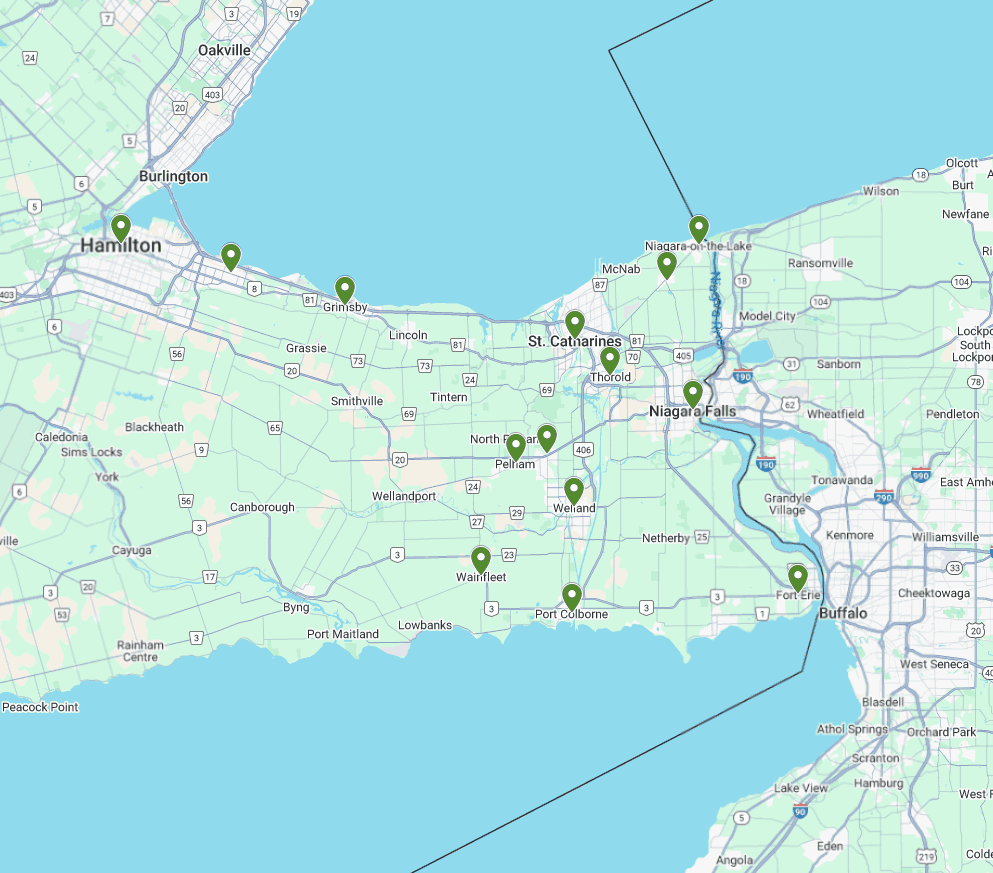
Our service areas encompass a wide range of locations, ensuring that we can meet the needs of our clients wherever they are. From bustling urban centers to serene rural landscapes, we are committed to providing top-notch services tailored to each unique environment.