



Heating repair in Stoney Creek, ON addresses common furnace and boiler faults with fast diagnostics, clear explanations, and transparent pricing. It describes typical problems, from ignition and blower issues to heat exchanger, control board, and venting faults, and describes the professional diagnostic process, safety checks, and repair options. It also covers emergency response, maintenance tips, and what to expect when scheduling service, including same-day dispatch, upfront estimates, and documentation of warranty coverage for parts and labor.
Heating repair in Stoney Creek, ON
Winter in Stoney Creek can be harsh: cold lake-effect winds, freezing overnight lows, and intermittent thaws that stress older heating systems. When your furnace or boiler falters, you need fast, reliable heating repair in Stoney Creek, ON that diagnoses the root cause, restores safe operation, and minimizes disruption to your home. It describes common heating problems in Stoney Creek homes, how professional diagnostics work, typical repairs (ignition, blower, heat exchanger, controls), emergency response and safety checks, transparent parts and pricing practices, and what to expect when arranging prompt service.
Why timely heating repair matters in Stoney Creek
- Cold snaps and high heating demand can expose underlying faults that get worse if left unattended.
- Older homes and basements common in the area often have aging furnaces or hydronic boilers that require specialized attention.
- Small issues — a failing ignition or clogged vent — can create safety risks (carbon monoxide, improper combustion), higher energy bills, or full system failure during peak cold.
Prompt repair protects comfort, safety, and long-term system value.
Common heating repair issues in Stoney Creek homes
- Ignition and pilot problems: intermittent pilots, hot surface ignitor failure, or electronic ignition malfunctions that prevent the furnace from lighting.
- Blower and airflow failures: noisy or non-operational blower motors, obstructed return vents, clogged filters, or failing capacitors causing poor heat distribution.
- Heat exchanger cracks and corrosion: rust or hairline cracks that risk combustion gas leaks and reduced efficiency.
- Control board, thermostat, and sensor faults: error codes, failing sensors, or communication problems between components.
- Boiler issues: low water pressure, leaking valves, kettling noise (scale build-up), and failing circulator pumps.
- Venting and flue problems: blocked or corroded vents, improper slope, or cold-climate condensation causing draft issues.
- Fuel and supply concerns: gas valve failure, pressure irregularities, or issues with oil burner components in older systems.
Professional diagnostic process — what a technician will do
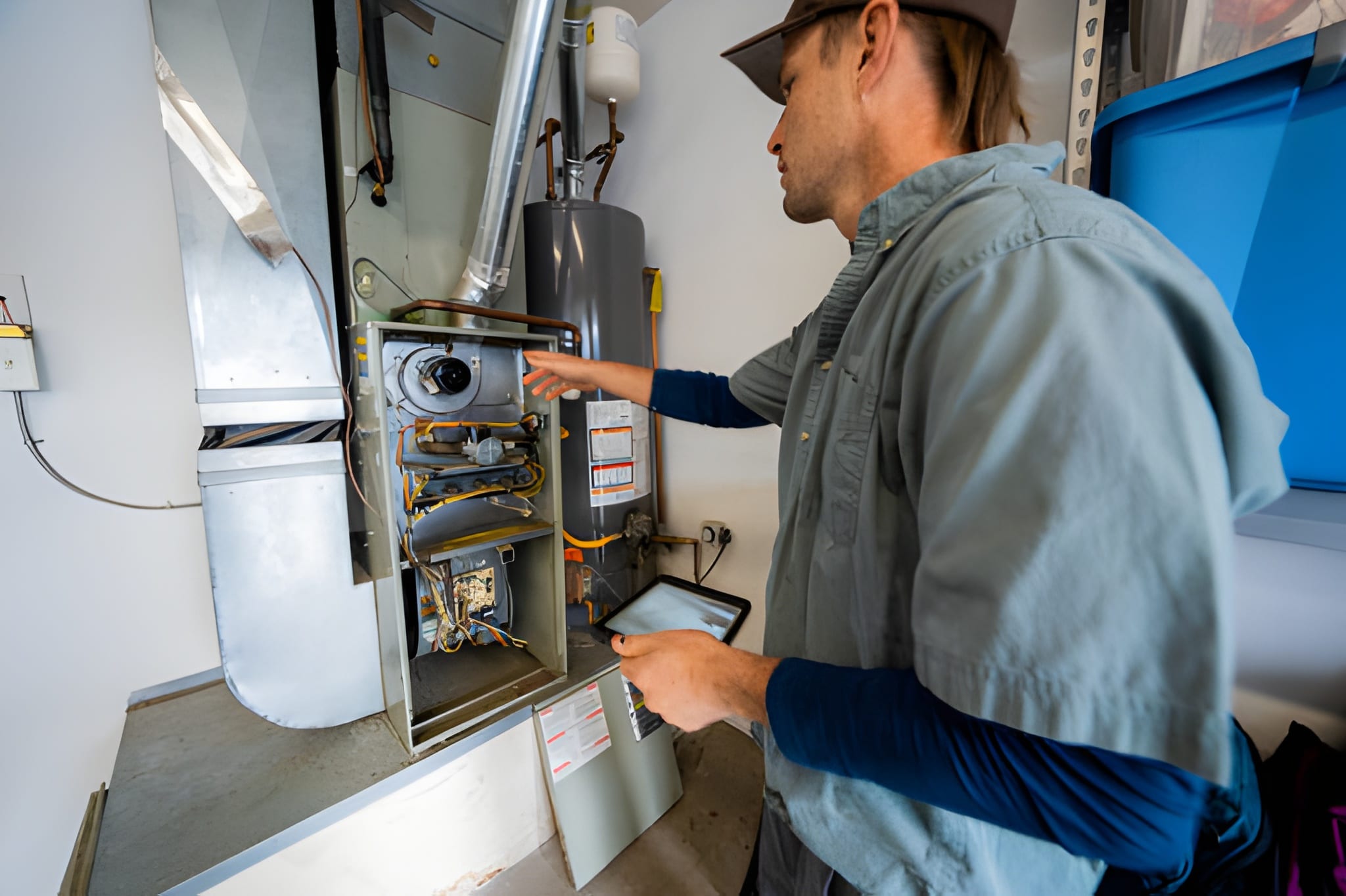
A thorough heating repair diagnosis follows a systematic, safety-first approach:
- Visual and operational inspection
- Check the entire unit for obvious damage, leakage, or corrosion.
- Verify thermostat settings and confirm homeowner observations.
- Electrical and safety checks
- Inspect wiring, fuses, and controls for faults.
- Confirm safe operation of safety switches and limit controls.
- Combustion and gas system evaluation (for gas-fired systems)
- Test ignition sequence, gas pressure, and burner performance.
- Measure flue temperature and draft; perform combustion analysis when necessary.
- Airflow and blower assessment
- Measure static pressure and airflow; inspect filters, ducts, and blower components.
- Boiler-specific tests
- Check water pressure, expansion tank condition, circulator pump operation, and relief valves.
- Diagnostics report and options
- Present findings in plain language, show which repairs are required immediately for safety, and explain options for repair versus replacement.
Typical repairs explained in simple terms
- Ignition replacement or cleaning: swap a faulty ignitor or clean a standing pilot assembly to restore reliable startup.
- Blower motor repair or capacitor replacement: restore airflow so heat reaches all rooms and prevents overheating.
- Heat exchanger assessment and repair options: when cracks or severe corrosion are discovered, the safest option may be replacement rather than repair.
- Control board and relay replacement: modern systems rely on electronics; swapping a failed control restores coordinated operation.
- Boiler pump and valve repair: replace failed circulators or leaking valves to eliminate cold radiators and noisy operation.
- Vent and flue cleaning or repair: clear blockages and correct venting to ensure safe exhaust of combustion gases.
- Parts replacement: technicians typically offer OEM or high-quality aftermarket parts and explain warranty differences.
Emergency response and 24/7 availability
Heating failures don’t always happen during business hours. Emergency services for Stoney Creek homes generally include:
- Rapid dispatch for no-heat calls, flame or gas odor incidents, and carbon monoxide alerts.
- Technicians equipped for temporary fixes that restore heat safely until permanent repairs can be completed.
- Clear on-site safety protocols: shutting down unsafe equipment, isolating gas supply if required, and advising homeowners on immediate steps to protect occupants.
If you detect a gas smell or carbon monoxide alarm, evacuate the premises and contact emergency responders and your gas utility as applicable.
Safety inspections: carbon monoxide and venting
Safety checks are central to any heating repair:
- Heat exchanger inspection for cracks or rust that can allow combustion gases to mix with indoor air.
- Carbon monoxide (CO) testing at the furnace and living spaces.
- Venting and chimney inspections to confirm proper draft, no obstructions, and correct termination above roofline.
- Combustion efficiency testing to verify complete fuel burn and safe exhaust composition.
Technicians will document findings and recommend corrective action when hazards are present.
Transparent pricing and parts replacement
Reliable heating repair practices prioritize clear cost communication:
- Diagnostic or service visit fees are explained up front, with a written estimate before work begins.
- Repair options are presented with estimated part and labor costs, and technicians will not install parts without approval.
- Parts choices explained: OEM parts, equivalent aftermarket options, and associated warranties on parts and labor.
- When replacement is recommended, the trade-offs between repairing an aging unit versus investing in a new, more efficient system are describesd objectively.
What to expect when scheduling prompt service
- Same-day or rapid dispatch is commonly offered for urgent no-heat situations and safety concerns.
- You will receive an arrival window and an explanation of the diagnostic process and potential outcomes.
- Technicians arrive with common replacement parts for quicker turnaround and provide a clear written summary of the work performed and any remaining recommendations.
(Do not rely on verbal assurances alone; request documentation and warranty details for any parts or services.)
Preventative steps and maintenance tips for Stoney Creek homeowners
- Change or clean filters every 1–3 months during the heating season to prevent airflow-related failures.
- Keep vents and returns clear of furniture and obstructions to promote balanced airflow.
- Schedule annual heating tune-ups in the fall to catch issues before cold weather; this is especially important for older furnaces and boilers typical in the area.
- Install and test carbon monoxide detectors on every level and near sleeping areas.
- Insulate exposed pipes and maintain boiler water chemistry to reduce corrosion and scale.
Final note: benefits of timely repair
Prompt, professional heating repair in Stoney Creek, ON restores comfort quickly, reduces energy waste, extends equipment life, and mitigates safety risks. Addressing small faults early avoids emergency breakdowns during cold spells and keeps homes safer and more efficient over the long term. Regular maintenance, informed repair choices, and thorough safety inspections are the most effective ways to protect your investment and your family during the heating season.

Customer Testimonials

I have used Niagara Home heating for multiple projects for over 16 years. John and his staff are absolutely the best. I tell all my friends and family about Niagara Home Heating because you won’t get any better service or pricing anywhere in Niagara. He has saved me thousands and thousands of dollars and has never let me down.

Lifesavers!! The AC in our house decided to quit the day we were passing the keys to the new owners!! Instead of making a service call to the house, John coached me through the minor repair over the phone, saving me the money and time waiting for a repair person to come.Much appreciated! Thanks again John
I called John today at 2:pm as my AC was not working and I wasn’t expecting even a call back as I knew with this hot weather we have had he would be swamped with calls. Well he called me back and showed at 8:pm on the same day to fix my AC. That is just incredible service and how much John really cares about his clients. Thank you John !
We had an amazing experience getting our new furnace installed with Niagara Home Heating. The owner was very helpful, their quote was more then competitive and the technician who installed the unit was professional and friendly. I would recommend their services.
Very efficient company. I needed an old solar water heater removed from my roof. They were quick to book an appointment for the next day after I sent photos. They were very knowledgeable of the issue. The 2 guys that came were friendly and competent with the job, including removal of all parts.
I had an issue with my hot water tank and called Niagara Home Heating. Their service was fantastic and reasonably priced—exactly how a business should be run!

Service Areas
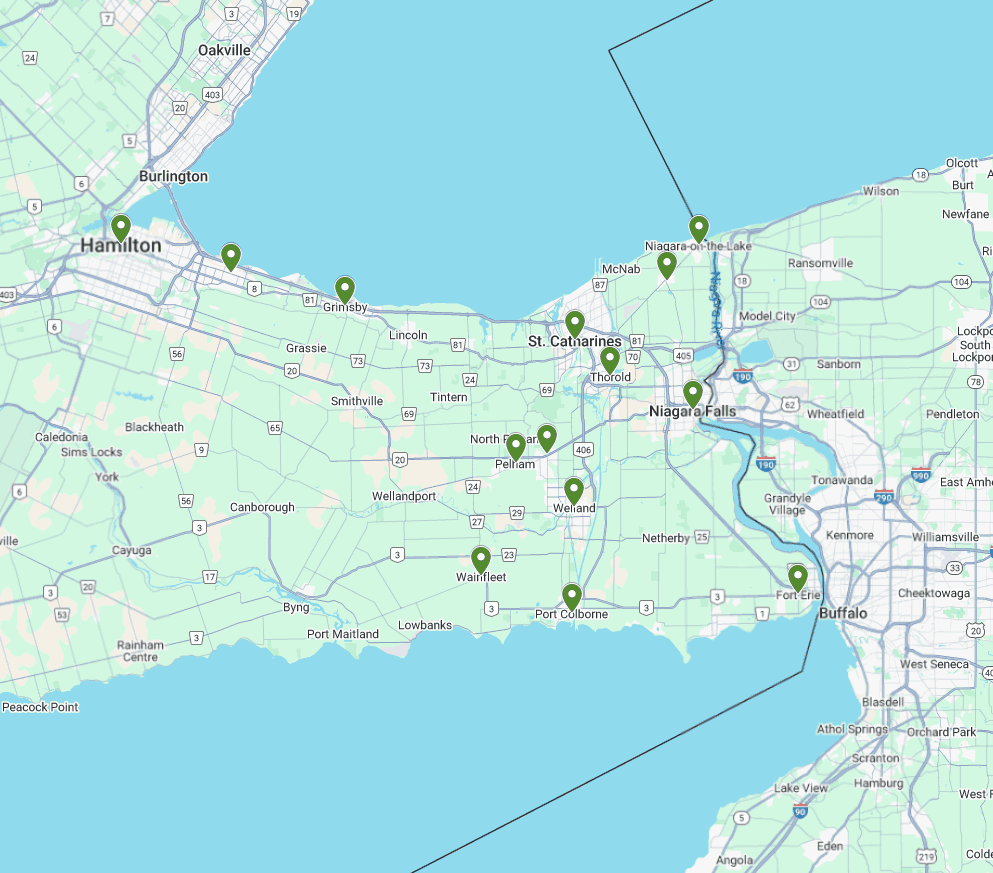
Our service areas encompass a wide range of locations, ensuring that we can meet the needs of our clients wherever they are. From bustling urban centers to serene rural landscapes, we are committed to providing top-notch services tailored to each unique environment.