



Furnace replacement in Stoney Creek, ON describes when to replace a furnace, how age and efficiency are evaluated, and how installers size and select equipment for long-term comfort. It covers the step-by-step installation timeline, removal of the old unit, and potential duct or venting upgrades, along with cost components and financing options. The guide describes warranties, post-install testing, and maintenance advice to ensure safe, reliable heat and energy savings through Stoney Creek’s cold winters. Benefit from professional guidance at every stage.
-min.jpeg)
furnace Replacement in Stoney Creek, ON
Replacing a furnace is one of the most important home investments for Stoney Creek homeowners. Winters in this part of the Niagara Region bring prolonged cold snaps, wind-driven snow, and rapid temperature swings that place heavy demand on heating systems. A properly selected and installed furnace improves comfort, lowers energy bills, and reduces the risk of breakdowns and safety issues when you need heat most.
When a furnace replacement is recommended
Consider replacement when you see one or more of these common signs in Stoney Creek homes:
- The furnace is older than 15 to 20 years or the manufacturer has discontinued major parts.
- Heating costs are steadily rising despite regular maintenance.
- Inconsistent temperatures or frequent short cycling during cold snaps.
- Repeated breakdowns and repair costs that add up over time.
- Strange noises, persistent odors, or visible rust and corrosion on the heat exchanger or venting.
- A triggered carbon monoxide alarm, cracked heat exchanger, or failed safety controls.
- You want better efficiency, quieter operation, or upgraded comfort features like variable-speed blowers.
How technicians evaluate system age and efficiency
A thorough evaluation covers safety, performance, and the home’s heating needs:
- Document model and serial number to determine manufacturing age and parts availability.
- Visual inspection of the heat exchanger, burners, venting and flue for corrosion, cracks or blockages.
- Combustion efficiency testing to measure how completely fuel is burning and to spot carbon monoxide production.
- Airflow and static pressure checks to assess duct system performance.
- Thermostat and control system review to ensure compatible operation.
- Review of past repair history and maintenance records.
- Heat loss review for the home noting insulation, windows, air leakage and local exposure to lake-effect wind for Stoney Creek properties.
This diagnostic process identifies whether repairs will give lasting value or if replacement is the more reliable, cost-effective solution.
Equipment selection and sizing process
Correct sizing and product selection are critical for long-term comfort and efficiency:
- A Manual J heat loss calculation determines exact heating load for your home, accounting for Stoney Creek climate influences, insulation, window area and building orientation.
- Manual S guidance is used to select furnaces with the right capacity and efficiency rating (AFUE) to meet the calculated load.
- Consider staging and modulation options:
- Single-stage furnaces are simple and less costly.
- Two-stage or modulating furnaces provide smoother heat, improved comfort and better efficiency during mild winter days.
- Variable-speed blowers improve airflow, reduce noise, and help with humidity control and filtration.
- Combustion type and venting: high-efficiency condensing furnaces require condensate management and PVC venting; older mid-efficiency units use metal flues.
- Ductwork review (Manual D) to confirm compatibility or identify necessary upgrades for balanced airflow.
- Energy-saving features and compatibility with smart thermostats or zoning systems are evaluated to match homeowner goals and budget.
Step-by-step installation timeline
A typical replacement follows a defined process so homeowners know what to expect:
Most straight replacements for typical Stoney Creek homes are completed in one business day. Jobs requiring significant ductwork changes, custom venting, or permits may take longer.
Removal of the old unit
Technicians follow safety and local code practices:
- Fuel and electrical isolation before disassembly.
- Safe handling of heavy equipment with floor and carpet protection.
- Proper vent sealing and capping of unused fuel or gas lines.
- Recycling of metals and responsible disposal of components in accordance with Ontario regulations and municipal waste rules.
Licensed technicians will obtain any necessary permits and ensure the new installation meets local building and gas code requirements.
Cost estimates and financing options
Replacement cost is determined by equipment quality, system capacity, required duct or vent upgrades, and local code or permit requirements. Typical cost components include:
- Furnace unit and efficiency level.
- Labor and installation complexity.
- Ductwork or venting modifications.
- Permits, testing and disposal fees.
- Optional upgrades: zoning, filtration, smart thermostat or air quality improvements.
Financing options commonly available through HVAC providers include consumer financing plans, term loans, and assistance coordinating available provincial or federal efficiency incentives. Licensed contractors often help homeowners identify potential rebates and complete required documentation.
Warranty details
Understand two warranty layers:
- Manufacturer warranty covers parts (and sometimes the heat exchanger) for specified periods. Registration may be required to maximize coverage.
- Labor or installation warranty from the installing contractor covers workmanship and is essential for protecting against installation-related issues.Routine maintenance is typically required to keep warranties valid. Ask your technician about transferable warranties if you plan to sell your home.
Post-installation testing and customer walkthroughs
Once installed, technicians perform a thorough set of tests:
- Combustion efficiency and carbon monoxide checks.
- Gas pressure and leak testing.
- Thermostat calibration and control checks.
- Airflow measurement and static pressure testing.
- Safety control verification including limit switches and flame sensors.
The final walkthrough with the homeowner covers operation basics, thermostat programming, filter replacement schedules, emergency shut-off location, warranty paperwork and recommended maintenance intervals for optimal performance in Stoney Creek’s climate.
Benefits and maintenance advice
A properly selected and installed furnace delivers safer, more reliable heat, lower energy bills and improved indoor comfort. For Stoney Creek homes, the right unit reduces cold spots during lake effect wind events and copes better with freeze-thaw cycles. To preserve performance:
- Change or clean filters regularly.
- Schedule annual tune-ups before winter.
- Keep the area around the furnace clear and maintain proper venting.
- Monitor energy use and unusual noises and address small issues early.
Investing in the correct replacement now pays back through comfort, predictable operating costs and long service life suited to Stoney Creek winters.

Customer Testimonials

Very efficient company. I needed an old solar water heater removed from my roof. They were quick to book an appointment for the next day after I sent photos. They were very knowledgeable of the issue. The 2 guys that came were friendly and competent with the job, including removal of all parts.

We had an amazing experience getting our new furnace installed with Niagara Home Heating. The owner was very helpful, their quote was more then competitive and the technician who installed the unit was professional and friendly. I would recommend their services.
Lifesavers!! The AC in our house decided to quit the day we were passing the keys to the new owners!! Instead of making a service call to the house, John coached me through the minor repair over the phone, saving me the money and time waiting for a repair person to come.Much appreciated! Thanks again John
I called John today at 2:pm as my AC was not working and I wasn’t expecting even a call back as I knew with this hot weather we have had he would be swamped with calls. Well he called me back and showed at 8:pm on the same day to fix my AC. That is just incredible service and how much John really cares about his clients. Thank you John !
I had an issue with my hot water tank and called Niagara Home Heating. Their service was fantastic and reasonably priced—exactly how a business should be run!
I have used Niagara Home heating for multiple projects for over 16 years. John and his staff are absolutely the best. I tell all my friends and family about Niagara Home Heating because you won’t get any better service or pricing anywhere in Niagara. He has saved me thousands and thousands of dollars and has never let me down.

Service Areas
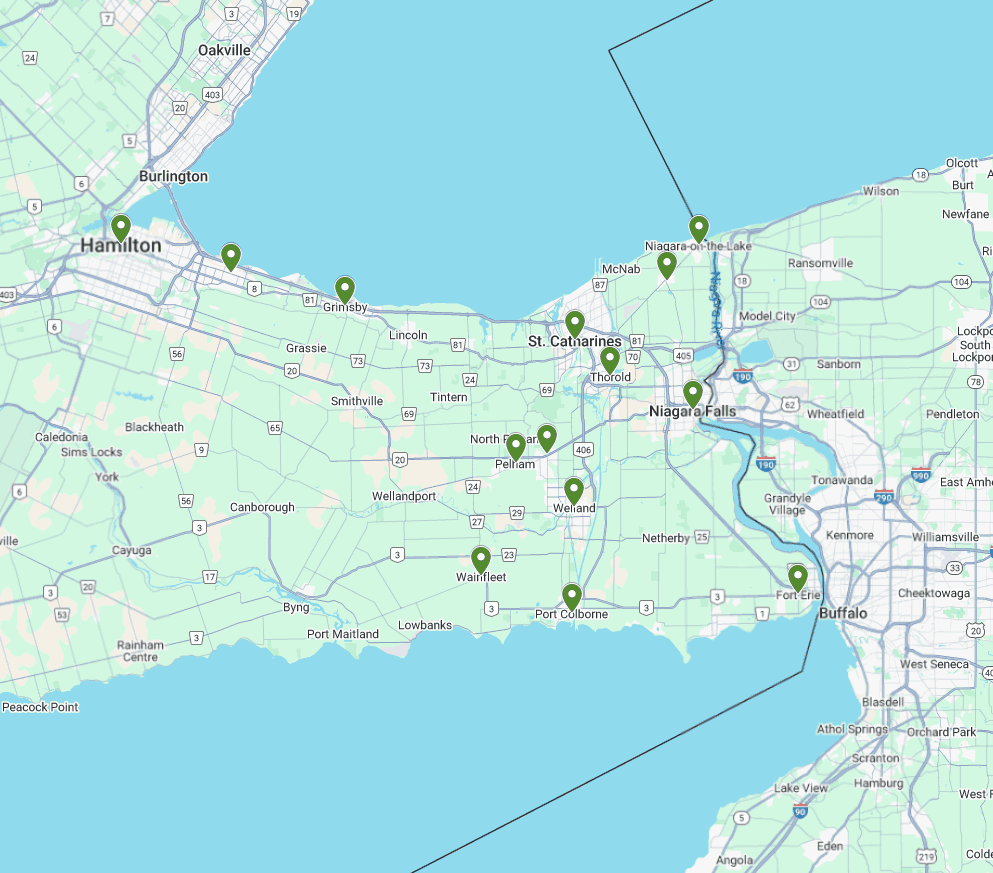
Our service areas encompass a wide range of locations, ensuring that we can meet the needs of our clients wherever they are. From bustling urban centers to serene rural landscapes, we are committed to providing top-notch services tailored to each unique environment.