



Thorold homeowners facing a furnace emergency can rely on around-the-clock furnace repair services designed to restore heat quickly and safely. This guide describes urgent issues such as loss of heat, strange noises, ignition failures, and CO risks; describes on-site safety-first diagnostics; offers immediate safety steps; and contrasts common quick fixes with when replacement is wiser. It also details safety checks performed during visits, what to have ready when calling for help, and what to expect from a 24/7 emergency response.
-min.jpeg)
furnace emergency-furnace-repair in Thorold, ON
When your furnace fails in the middle of a Thorold winter, it becomes more than an inconvenience — it can be an immediate safety and comfort emergency. Emergency furnace repair in Thorold, ON covers urgent situations like complete loss of heat, sudden system shutdowns, loud or irregular noises suggesting mechanical failure, and any suspicion of carbon monoxide. This page explains common emergency furnace issues in Thorold, on-site diagnostic steps technicians use, temporary safety measures you can take, typical emergency repairs versus when replacement is the safer choice, essential safety checks, and what to have ready when you need immediate help.
Why 24/7 emergency furnace repair matters in Thorold
- Thorold experiences cold temperatures and freeze-thaw cycles that stress aging furnaces, condensate drains, and venting systems.
- Many homes in the Niagara region have older gas furnaces or tighter building envelopes, increasing the speed at which indoor temperatures fall and the risk from combustion-related issues.
- Rapid response reduces the likelihood of secondary damage (frozen pipes, burst plumbing) and mitigates health risks linked to combustion byproducts.
Common urgent furnace problems in Thorold, ON
- No heat at all: furnace does not ignite or blower is not running.
- Intermittent or frequent shutdowns: unit starts then stops, often on a safety limit or due to flame failure.
- Unusual or loud noises: banging, rattling, high-pitched squeal, or clanking indicating failing motors, bearings, or loose components.
- Failed ignition components: hot surface ignitor or pilot failure causing complete loss of ignition.
- Blocked venting or flue drafts: ice, nesting animals, or debris can obstruct combustion air or exhaust paths.
- Frozen condensate or clogged drain lines: especially on high-efficiency furnaces during sudden cold snaps.
- Suspected carbon monoxide exposure: CO alarms, headache, dizziness, or yellow/tipped burner flames.
What technicians check during an emergency on-site diagnosticTechnicians focus on safety first, then rapid diagnosis to restore heat or make the home safe:
Temporary safety measures you can take immediately
- If you smell gas, evacuate everyone from the home and contact emergency services or your gas utility from a safe location.
- If a carbon monoxide alarm is sounding or you suspect CO exposure (headache, nausea, dizziness), leave the home immediately and seek fresh air; contact emergency services.
- If the furnace is noisy or repeatedly cycling, turn the unit off at the service switch and at the breaker to avoid further damage until a technician arrives.
- Open windows a small amount only if safe to ventilate when combustion concerns are present; avoid running the furnace fan if CO is suspected because it can spread contaminants.
- Keep children, pets, and vulnerable occupants warm with blankets and layer clothing while waiting for professional assistance.
Typical emergency fixes versus when replacement is recommendedCommon emergency repairs that often restore heat fast:
- Replacing a failed ignitor or hot surface starter.
- Resetting or replacing a faulty pressure or limit switch.
- Replacing a burned-out blower motor or capacitor to get the fan running again.
- Clearing blocked vents, flue pipes, or condensate drains that cause shutdowns.
- Cleaning or replacing a fouled flame sensor to restore ignition.
- Resetting tripped breakers or repairing loose electrical connections.
When replacement is the safer, more cost-effective option:
- Multiple, repeated emergency calls for different components within a short period indicate systemic failure.
- Furnace age typically over 15 years with rising fuel bills and lower performance.
- Cracked heat exchanger or significant corrosion detected — this is a critical safety issue due to carbon monoxide risk and generally requires replacement.
- Cost of repairs approaches a substantial percentage of the cost of a new, high-efficiency unit.
- Design limitations (undersized unit, poor efficiency, or obsolete parts) mean ongoing breakdowns are likely even after repair.
Safety checks every emergency visit includes
- Carbon monoxide detector verification: ensure detectors are present, functional, and properly located near sleeping areas and furnace rooms.
- Venting and combustion air assessment: verify exhaust and intake pipes are clear, properly sloped, and free from corrosion or leaks.
- Gas line and pressure inspection: confirm secure fittings and safe gas pressure.
- Heat exchanger visual inspection where accessible: look for signs of rust, cracks, or soot that may indicate unsafe combustion.
- Electrical safety: confirm wiring integrity, proper grounding, and secure connections.
- Post-repair leak and combustion testing: after any repair, technicians recheck for proper combustion and absence of CO.
What to have ready when requesting emergency help
- Address, access instructions, and any gate or building codes.
- Furnace make, model, and approximate age if known.
- A brief description of symptoms (no heat, alarm sounding, noises, gas smell).
- Recent service history and any prior repairs or error codes observed.
- Whether occupants are experiencing symptoms like dizziness, headaches, or nausea (this helps prioritize response).
What to expect from a 24/7 emergency furnace service
- Priority scheduling and rapid dispatch of a qualified technician who carries common emergency parts and diagnostic tools.
- A professional safety-first approach: immediate actions to protect occupants, followed by a clear explanation of findings and options.
- Temporary measures to restore safe heat if a permanent fix or replacement must be scheduled.
- Clear documentation of diagnostics, parts used, and recommendations for follow-up maintenance or replacement when needed.
Local context for Thorold homeownersThorold’s winters and occasional freeze-thaw patterns increase the likelihood of condensate and venting problems on high-efficiency systems and raise the stakes when furnaces fail. Older local homes can also have outdated flues or undersized systems that require careful inspection. Prioritizing prompt, professional emergency furnace repair reduces the risk of carbon monoxide exposure and prevents secondary damage from frozen pipes — important considerations for homes in the Niagara Region.
If you face an urgent furnace problem, be prepared with the details above and follow safety-first steps until a trained technician can evaluate and make repairs. Emergency furnace repair in Thorold, ON focuses on restoring heat quickly and safely while identifying if a permanent replacement is the safer long-term solution.

Customer Testimonials

Very efficient company. I needed an old solar water heater removed from my roof. They were quick to book an appointment for the next day after I sent photos. They were very knowledgeable of the issue. The 2 guys that came were friendly and competent with the job, including removal of all parts.

We had an amazing experience getting our new furnace installed with Niagara Home Heating. The owner was very helpful, their quote was more then competitive and the technician who installed the unit was professional and friendly. I would recommend their services.
I called John today at 2:pm as my AC was not working and I wasn’t expecting even a call back as I knew with this hot weather we have had he would be swamped with calls. Well he called me back and showed at 8:pm on the same day to fix my AC. That is just incredible service and how much John really cares about his clients. Thank you John !
I have used Niagara Home heating for multiple projects for over 16 years. John and his staff are absolutely the best. I tell all my friends and family about Niagara Home Heating because you won’t get any better service or pricing anywhere in Niagara. He has saved me thousands and thousands of dollars and has never let me down.
Lifesavers!! The AC in our house decided to quit the day we were passing the keys to the new owners!! Instead of making a service call to the house, John coached me through the minor repair over the phone, saving me the money and time waiting for a repair person to come.Much appreciated! Thanks again John
I had an issue with my hot water tank and called Niagara Home Heating. Their service was fantastic and reasonably priced—exactly how a business should be run!

Service Areas
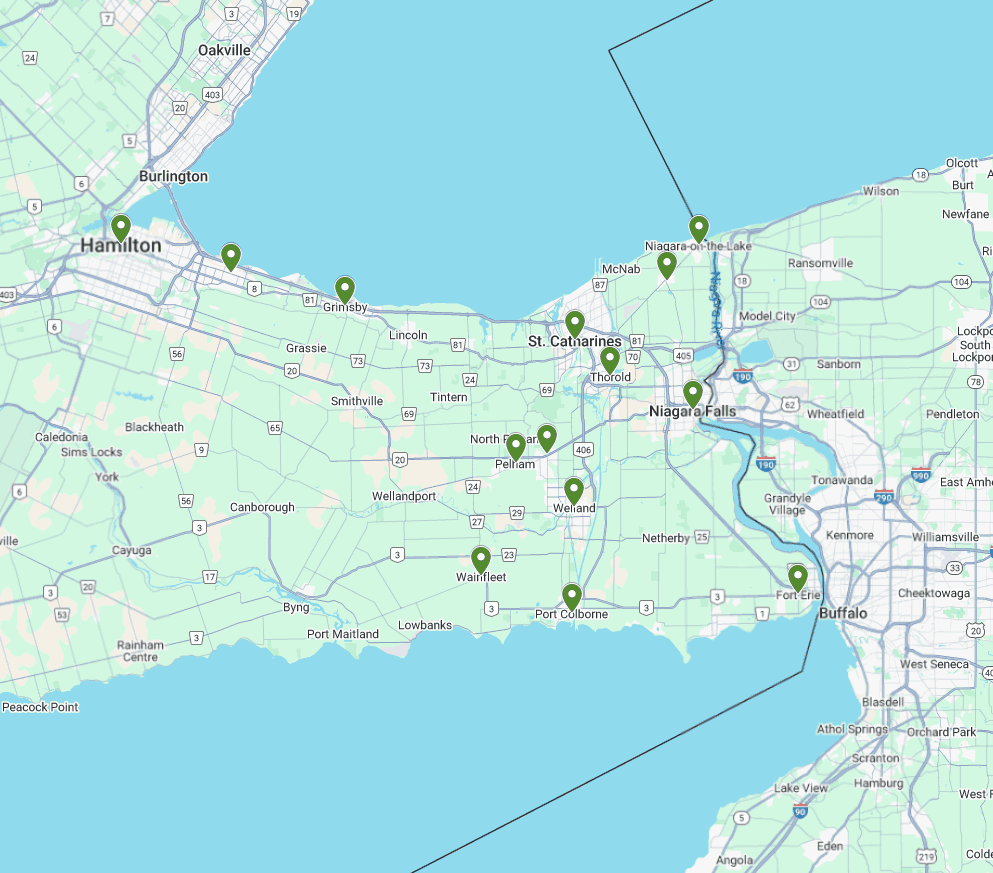
Our service areas encompass a wide range of locations, ensuring that we can meet the needs of our clients wherever they are. From bustling urban centers to serene rural landscapes, we are committed to providing top-notch services tailored to each unique environment.