



It describes a comprehensive heating installation process for Thorold, ON homes. It covers initial site assessment and load calculations, careful equipment selection for fuel type and efficiency, ductwork and piping considerations, precise installation steps, and rigorous safety, inspections, and code compliance. It also describes system startup, commissioning, warranty documentation, and disposal of old equipment, followed by post-installation support and maintenance guidance to ensure reliable, efficient heat for Thorold climates and long equipment life throughout the home.
-min.jpeg)
Heating installation in Thorold, ON
Installing a new heating system is one of the most important home investments for Thorold, ON homeowners. With cold, lake-affected winters and significant seasonal temperature swings, the right furnace, boiler, or heat pump keeps your family safe and comfortable while controlling energy costs. It describes the full new heating installation process for Thorold homes: what we assess, how equipment is selected and sized, the installation steps, safety and code requirements, warranty details, disposal of old equipment, and the post-installation support you can expect.
Why correct heating installation matters in Thorold, ON
Thorold sits in the Niagara region where winters are cold and humid. Poorly sized or improperly installed systems lead to:
- High energy bills from oversizing or undersizing
- Uneven heating and cold spots, especially in older brick or split-level homes
- Shortened equipment life due to frequent cycling
- Safety risks from incorrect venting or gas connections
A professional installation tailored to Thorold’s climate and typical home construction ensures reliable heat, lower operating costs, and compliance with Ontario codes.
Common heating systems and common installation concerns in Thorold
- Gas furnaces: Most common for single-family homes. Key concerns: proper venting, gas line sizing, combustion safety, and matching AFUE efficiency to needs.
- High-efficiency boilers: Used in homes with radiators or in-floor heating. Concerns: proper piping, pump sizing, and condensate management in cold months.
- Heat pumps (air-source or cold-climate models): Growing in popularity due to electrification and incentives. Important to evaluate winter performance, backup heat requirements, and correct sizing for extended cold snaps.
- Hybrid systems: Combining heat pump with furnace for efficiency and winter resilience; requires controls that optimize both systems.
Common installation issues in the region include undersized ductwork, inadequate insulation at duct runs through crawlspaces, and improper condensate drainage in winter conditions.
The full heating installation process
- Initial site assessment and load calculation
- A thorough on-site review evaluates home age, construction, insulation levels, window areas, orientation, and existing duct or hydronic systems.
- A formal heat loss calculation (Manual J or equivalent) is performed to determine the exact heating load by zone and by whole house. This prevents oversizing and ensures consistent comfort.
- Equipment selection and compatibility
- Equipment is chosen to match calculated loads, fuel type availability (natural gas, propane, electric), and homeowner priorities (efficiency, noise levels, space constraints).
- Compatibility checks include: furnace or boiler BTU output, heat pump capacity at low outdoor temperatures, thermostat and control compatibility, and matching indoor coil or heat exchanger sizes.
- Ductwork and piping considerations
- Ductwork: evaluation for sizing, sealing, insulation, and layout changes. Duct leakage and poor design are major causes of efficiency loss in older Thorold homes.
- Hydronic piping: correct pipe sizing, pump selection, and insulation of exposed runs to prevent heat loss.
- In renovations, plan for relocation of supply/return grills, zoning dampers, and possible upgrades to improve airflow.
- Professional installation steps
- Safe removal and disposal of the old equipment following environmental regulations.
- Precise placement, leveling, and anchoring of new units.
- Gas, electrical, refrigerant, and condensate connections installed and tested to specification.
- Proper venting or flue installation, combustion air provision for combustion appliances, and backflow prevention where required.
- Safety, inspections, and code compliance
- Installations adhere to the Ontario Building Code and natural gas safety regulations.
- Permits and required inspections are obtained and coordinated with local authorities when applicable.
- Carbon monoxide and combustion ventilation safety measures are verified, and all gas connections are pressure tested.
- System startup and commissioning
- A complete startup sequence verifies operation under load: burner combustion analysis for gas units, refrigerant charge and defrost checks for heat pumps, and system balancing.
- Thermostat programming, zoning checks, and airflow measurements ensure each zone meets design parameters.
- Homeowner orientation explains operation, filter access, and basic troubleshooting.
- Warranty coverage and documentation
- Manufacturer warranties typically cover parts and some components; labour warranty details are documented separately.
- Installation paperwork includes model and serial numbers, warranty registration instructions, maintenance recommendations, and a summary of work performed.
- Disposal of old equipment
- Proper disposal follows Ontario environmental guidelines: safe draining and recycling of refrigerants and fluids, responsible disposal of metal and electronic components, and handling of any legacy oil tanks or hazardous materials.
- Post-installation support
- A first-season follow-up inspection often confirms operation through the coldest months.
- Routine maintenance recommendations include annual tune-ups, filter replacement schedules, and checks of condensate lines and combustion components.
- Options for maintenance plans and priority service ensure the system runs efficiently and lasts longer.
Safety and local code considerations specific to Thorold
- Natural gas service is common; ensure installations are performed by licensed gas technicians and that all gas work is inspected.
- Condensing boilers and high-efficiency furnaces produce acidic condensate; proper neutralization and drainage are essential, especially in freezing conditions.
- For heat pump installations, consider winter backup heat strategy and the local grid’s electricity rates when evaluating long-term operating costs.
- Smoke and carbon monoxide detectors should be inspected and located per Ontario safety requirements after any new combustion appliance installation.
Benefits after a professional installation
- Improved comfort with consistent indoor temperatures and reduced cold spots.
- Lower energy use and predictable operating costs through correct sizing and efficient equipment.
- Increased safety with properly vented combustion appliances and verified gas connections.
- Longer equipment life and fewer breakdowns when installed to specification and maintained.
Simple maintenance tips for Thorold homeowners
- Replace or clean filters every 1 to 3 months depending on system and household conditions.
- Keep supply and return registers unobstructed and periodically vacuum ducts and vents.
- Schedule an annual heating tune-up before the cold season to maintain warranty compliance and peak performance.
- Address air sealing and attic insulation improvements to reduce load and improve comfort.
A new heating installation done with a thorough assessment, properly sized equipment, accurate duct or piping work, and careful commissioning will deliver reliable warmth, safety, and efficiency appropriate for Thorold, ON homes. Proper documentation, warranty registration, and scheduled maintenance protect that investment for years to come.

Customer Testimonials

Lifesavers!! The AC in our house decided to quit the day we were passing the keys to the new owners!! Instead of making a service call to the house, John coached me through the minor repair over the phone, saving me the money and time waiting for a repair person to come.Much appreciated! Thanks again John

I called John today at 2:pm as my AC was not working and I wasn’t expecting even a call back as I knew with this hot weather we have had he would be swamped with calls. Well he called me back and showed at 8:pm on the same day to fix my AC. That is just incredible service and how much John really cares about his clients. Thank you John !
I have used Niagara Home heating for multiple projects for over 16 years. John and his staff are absolutely the best. I tell all my friends and family about Niagara Home Heating because you won’t get any better service or pricing anywhere in Niagara. He has saved me thousands and thousands of dollars and has never let me down.
We had an amazing experience getting our new furnace installed with Niagara Home Heating. The owner was very helpful, their quote was more then competitive and the technician who installed the unit was professional and friendly. I would recommend their services.
I had an issue with my hot water tank and called Niagara Home Heating. Their service was fantastic and reasonably priced—exactly how a business should be run!
Very efficient company. I needed an old solar water heater removed from my roof. They were quick to book an appointment for the next day after I sent photos. They were very knowledgeable of the issue. The 2 guys that came were friendly and competent with the job, including removal of all parts.

Service Areas
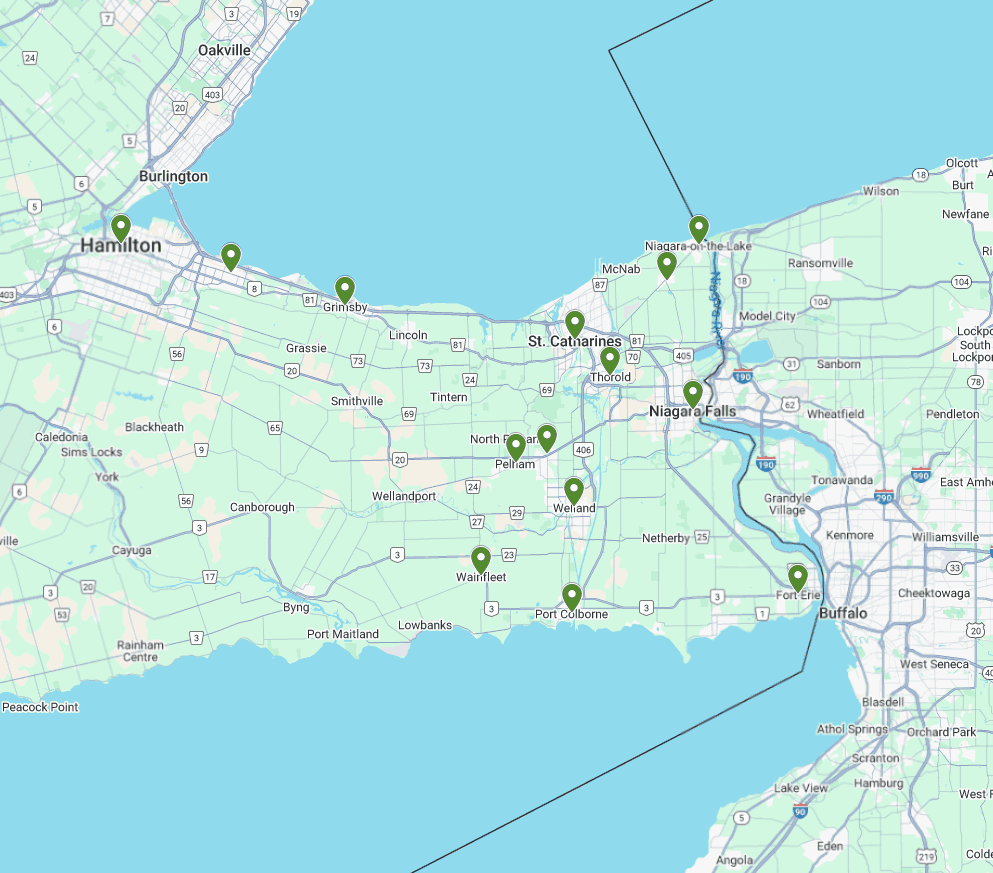
Our service areas encompass a wide range of locations, ensuring that we can meet the needs of our clients wherever they are. From bustling urban centers to serene rural landscapes, we are committed to providing top-notch services tailored to each unique environment.