



Furnace repair in Thorold, ON describes a thorough diagnostic approach, common issues, and practical repair strategies for home heating systems. The guide covers symptoms such as no heat, uneven warmth, unusual noises, and cycling problems, with step-by-step evaluation from safety checks to control diagnostics and heat-exchanger assessment. It describes typical component repairs, pricing expectations, and transparent timelines, along with post-repair safety verifications, warranties, and preventative tips to minimize future breakdowns in Thorold's cold winters. Experts emphasize proactive maintenance to protect comfort and budget.
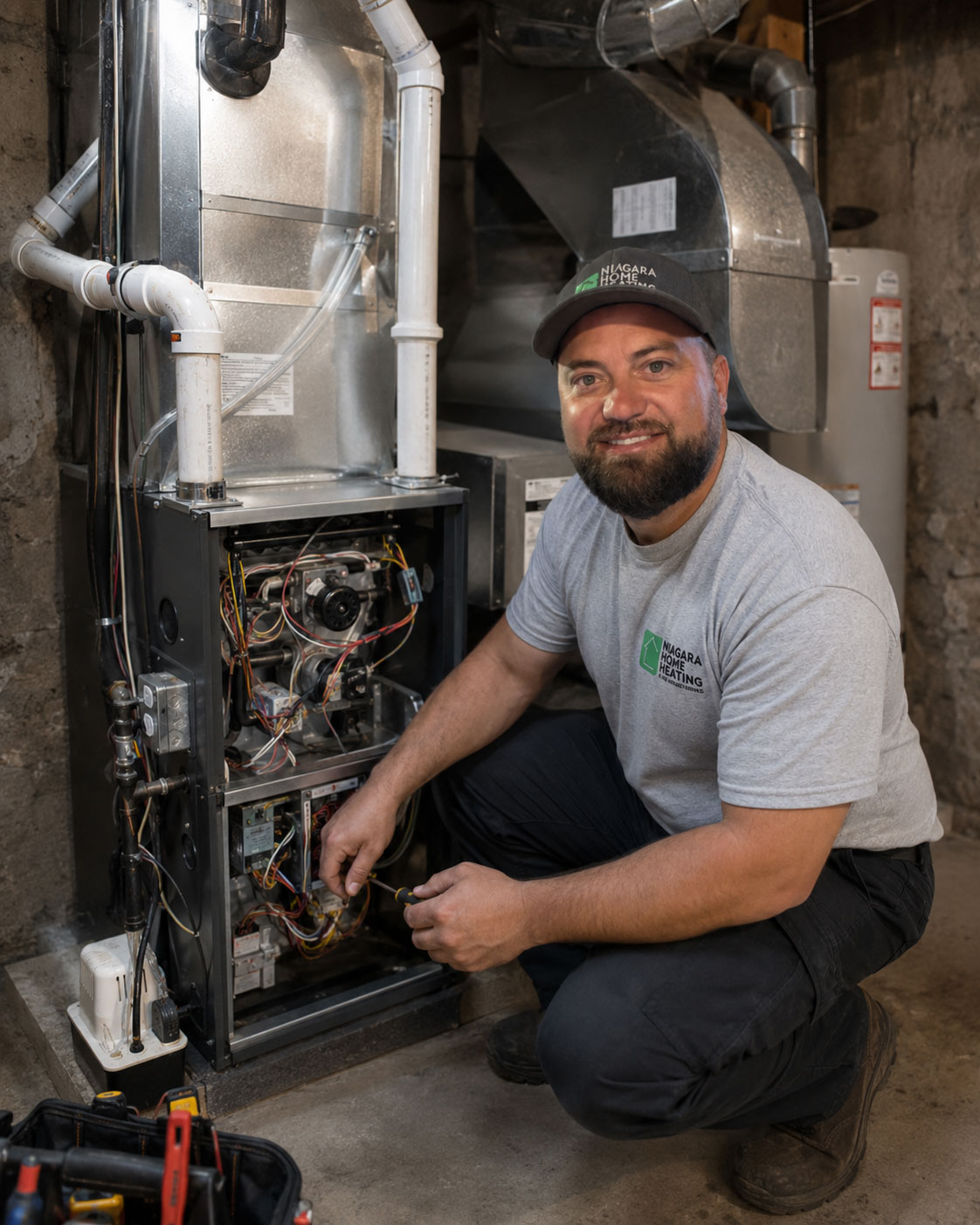
Furnace repair in Thorold, ON
A reliable furnace is critical for Thorold homes, where long, cold winters and occasional lake-effect weather put heavy demand on heating systems. Whether your furnace is making unusual noises, failing to heat consistently, or tripping safety controls, prompt, professional furnace repair in Thorold, ON prevents safety risks, reduces energy waste, and extends equipment life. This page explains the common problems we see in Thorold, our step-by-step diagnostic approach, typical repairs (parts and labor), timelines, safety and efficiency checks performed after repair, workmanship warranty coverage, and practical tips to avoid repeat problems.
Common furnace repair issues in Thorold
Homeowners in the Niagara Region commonly encounter these furnace problems, especially after prolonged cold snaps or following deferred maintenance:
- Furnace won’t start or keeps shutting off (ignition, flame sensor, gas valve)
- Weak or no heat, uneven heating across rooms (airflow, blower motor, duct issues)
- Loud banging, rattling, or squealing noises (inducer motor, blower bearings, loose panels)
- Pilot light or ignition problems (standing pilot, hot surface igniter failure)
- Frequent cycling or short-cycling (thermostat calibration, limit switch, clogged filters)
- Yellow or flickering flame and sooting (combustion or venting problems)
- Carbon monoxide concerns or CO detector activation (heat exchanger cracks, venting)
- Failed control boards, fuses, or electrical faults
Step-by-step diagnostic approach
A methodical diagnostic process separates temporary fixes from true repairs and targets the root cause efficiently:
Typical component repairs explained
Here are common repairs performed on residential furnaces and why they matter:
- Ignition systems (pilot, hot surface igniter): Ignition failures prevent the furnace from lighting. Replacing a failed igniter or cleaning pilot assemblies restores reliable starts.
- Thermostats and controls: Faulty thermostats or control boards cause incorrect cycling and no-heat complaints. Repairs may include recalibration or replacement of the thermostat or control module.
- Blower motors and capacitors: A weak or failing blower reduces heat distribution. Motor or capacitor replacement restores airflow and improves comfort.
- Inducer motors and pressure switches: These ensure proper venting before burners ignite. Failures prevent safe operation and require prompt repair.
- Heat exchanger issues: Cracked or corroded heat exchangers risk carbon monoxide leaks. Small repairs are rare; often replacement is recommended for safety.
- Flame sensors and burners: Dirty sensors or burners can cause shutdowns. Cleaning or replacement resolves intermittent flame detection problems.
- Gas valves and regulators: These control fuel flow. Malfunctioning valves will stop the furnace from operating and require professional replacement.
Parts, labor, and the estimate process
Transparent pricing matters for decision-stage customers. The on-site estimate process generally includes:
- Diagnostic fee for the systematic inspection and testing
- Detailed quote listing parts (OEM or equivalent), labor hours, and any required permits or safety checks
- Explanation of repair options: repair vs replace, short-term vs long-term solutions, and implications for efficiency and safetyParts are specified by model and manufacturer; labor reflects the complexity of the repair and any access challenges. All estimates outline what is included and any possible additional charges if hidden issues are discovered once panels are opened.
Expected repair timelines
Repair duration varies by issue complexity and parts availability:
- Same-day, short repairs: thermostat replacement, flame sensor or capacitor swaps, filter and minor electrical fixes
- Moderate repairs (1 day): blower motor replacement, inducer motor change, control board swap if parts in stock
- Complex repairs (1-3 days+): heat exchanger replacement, major venting work, or jobs requiring specialty ordering or permitsWeather and seasonal demand in Thorold can affect parts availability during peak winter months. The estimate will clarify expected scheduling and any contingencies.
Safety and efficiency checks performed post-repair
Every completed repair should include thorough verification to ensure safety and optimal performance:
- Combustion and CO testing to verify safe operation and no hazardous leaks
- Venting and draft checks for proper exhaust flow
- Electrical and grounding inspections
- System cycling tests to confirm stable start-up and shutdown behavior
- Airflow and temperature rise checks to confirm correct distribution and heat output
- Final calibration of thermostat and control settings for efficiency
Warranty on workmanship and parts
Professional furnace repair work is typically backed by a workmanship warranty that protects against installation errors for a defined period. Manufacturer parts carry their own warranties. The repair estimate will identify warranty lengths for parts and the scope of the workmanship guarantee so you know what is covered if an issue recurs.
Tips to prevent repeat furnace issues in Thorold homes
Routine care reduces emergency repairs and keeps heating bills down:
- Replace furnace filters every 1-3 months during heavy use
- Schedule annual preventive maintenance before the heating season to catch wear and combustion issues
- Keep the furnace area clear of debris and flammable materials
- Ensure vents and returns are unobstructed and ducts are sealed to reduce short-cycling
- Install and maintain carbon monoxide detectors on each level of the home
- Address odd noises or performance changes early, especially after heavy storms or power outages common in the region
Thorold’s cold winters mean furnaces run hard; proactive maintenance and timely repairs are the most cost-effective ways to ensure safe, efficient heating and avoid mid-winter failures. This approach balances safety, comfort, and long-term value for homeowners in Thorold, ON.

Customer Testimonials

I called John today at 2:pm as my AC was not working and I wasn’t expecting even a call back as I knew with this hot weather we have had he would be swamped with calls. Well he called me back and showed at 8:pm on the same day to fix my AC. That is just incredible service and how much John really cares about his clients. Thank you John !

We had an amazing experience getting our new furnace installed with Niagara Home Heating. The owner was very helpful, their quote was more then competitive and the technician who installed the unit was professional and friendly. I would recommend their services.
Very efficient company. I needed an old solar water heater removed from my roof. They were quick to book an appointment for the next day after I sent photos. They were very knowledgeable of the issue. The 2 guys that came were friendly and competent with the job, including removal of all parts.
I had an issue with my hot water tank and called Niagara Home Heating. Their service was fantastic and reasonably priced—exactly how a business should be run!
I have used Niagara Home heating for multiple projects for over 16 years. John and his staff are absolutely the best. I tell all my friends and family about Niagara Home Heating because you won’t get any better service or pricing anywhere in Niagara. He has saved me thousands and thousands of dollars and has never let me down.
Lifesavers!! The AC in our house decided to quit the day we were passing the keys to the new owners!! Instead of making a service call to the house, John coached me through the minor repair over the phone, saving me the money and time waiting for a repair person to come.Much appreciated! Thanks again John

Service Areas
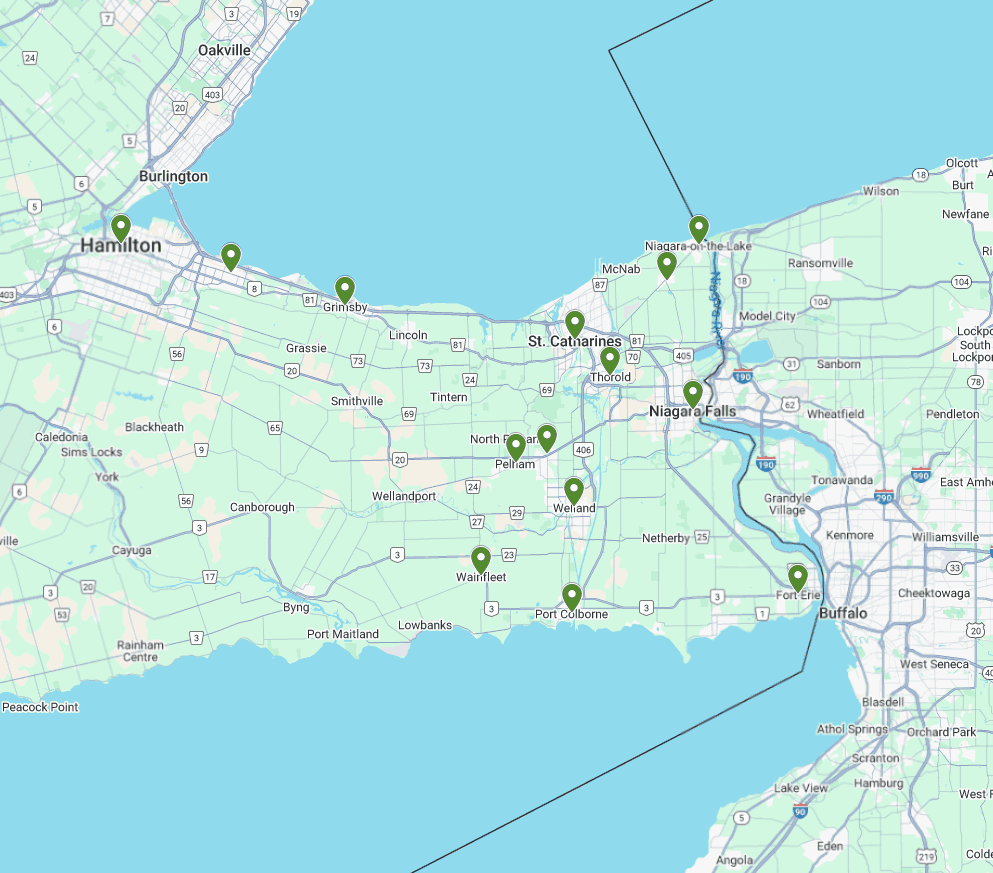
Our service areas encompass a wide range of locations, ensuring that we can meet the needs of our clients wherever they are. From bustling urban centers to serene rural landscapes, we are committed to providing top-notch services tailored to each unique environment.