



A furnace tune-up in Thorold, ON offers a comprehensive, safety-focused service to keep winter comfort reliable and energy bills in check. It describes why annual maintenance matters in local winters, common issues like clogged filters and burner buildup, and a detailed checklist of inspection, cleaning, ignition, performance testing, and diagnostics. It also covers recommended timing, typical duration, what to expect after a tune-up, and practical homeowner maintenance that enhances safety, efficiency, and furnace longevity for Niagara-region homes.
-min.jpeg)
furnace tune-up in Thorold, ON
A regular furnace tune-up is the most effective, low-risk step Thorold homeowners can take to keep winter comfort reliable and energy bills under control. With cold, damp winters and frequent freeze-thaw cycles in the Niagara region, furnaces work hard from October through March. A professional tune-up ensures your system starts reliably, runs efficiently, and meets basic safety standards before the first cold snap.
Why a furnace tune-up matters in Thorold homes
- Thorold winters are long and often humid, which can accelerate corrosion on vents, burners, and electrical connections.
- Older homes in the area commonly have legacy furnaces that benefit most from seasonal adjustment and cleaning.
- Preventing mid-winter breakdowns reduces the risk of costly emergency repairs and discomfort during periods of extreme cold.
A tune-up addresses these local risks by restoring performance and catching small problems before they become major failures.
Common furnace tune-up issues in Thorold
- Reduced airflow from dirty filters or blocked return vents, causing uneven heating and short cycling.
- Soiled burners or flame sensors that lead to ignition failures or frequent lockouts.
- Drifted thermostat calibration causing overshooting or undershooting of temperature.
- Worn belts, loose electrical connections, or failing safety controls that create intermittent faults.
- Cracked or corroded flue and vent connections that can affect draft and, in rare cases, safety.
What a furnace tune-up includes
A comprehensive tune-up follows a consistent checklist to maximize safety, reliability, and efficiency. Typical tasks covered:
Inspection and adjustments
- Visual inspection of the furnace cabinet, burners, heat exchanger (if accessible), and flue/vent connections.
- Check and tighten electrical connections and mounting hardware.
- Verify thermostat calibration and control settings; adjust for accurate temperature control.
- Inspect safety controls and limit switches for correct operation.
Filters and airflow
- Inspect the air filter and recommend or perform replacement when needed.
- Check return and supply vents for blockages.
- Verify blower motor function and adjust blower speed or fan settings if required to restore proper airflow.
Ignition and combustion
- Inspect ignition system (hot surface ignitor or pilot) and flame sensor; clean or replace if dirty or failing.
- Evaluate burner ports for buildup; clean burners to restore correct flame pattern and combustion stability.
- Visual combustion check to confirm proper flame color and stability.
Cleaning procedures
- Remove dust and debris from the furnace cabinet, burners, blower assembly, and inducer motor area.
- Clean flame sensor and accessible combustion components using manufacturer-approved methods.
- Vacuum and wipe accessible surfaces to improve heat transfer and reduce strain on moving components.
Performance and efficiency testing
- Test system startup and shutdown cycles to confirm smooth operation and absence of error codes.
- Measure temperature rise across the heat exchanger to ensure the furnace is operating in the correct range.
- Inspect flue draft and venting to verify safe exhaust flow.
- Observe system run time and staging to detect short cycling or inefficiency.
Diagnostics and reporting
- Identify worn components or items likely to fail soon and explain implications for reliability and safety.
- Provide a clear summary of findings and prioritized recommendations for repairs or parts replacement.
- Reset service indicators and document service performed for your maintenance records.
Recommended frequency and timing
- Annual tune-up before the heating season: schedule service in early fall (September to October) to ensure the furnace is ready for sustained use.
- Homes with pets, smokers, renovation dust, or heavy usage may benefit from biannual checks.
- If you notice warning signs (no heat, odd noises, yellow or flickering flame, frequent cycling, higher bills), book an inspection sooner.
Typical duration and service expectations
- Most comprehensive furnace tune-ups take about 60 to 90 minutes for a standard residential unit.
- Time can increase if repairs or parts replacement are required, or if access to the unit is restricted.
- A professional tune-up results in a written checklist of completed tasks and any follow-up recommendations so you can track upkeep across seasons.
What to expect after a tune-up
- More consistent, even home temperatures with reduced hot or cold spots.
- Smoother startups, fewer short cycles, and quieter operation.
- Improved efficiency that typically reduces fuel use compared to an unmaintained system.
- Lower risk of mid-season breakdowns and emergency service needs.
- Confirmation that safety devices and venting are functioning correctly, reducing risks associated with combustion appliances.
Practical homeowner maintenance between tune-ups
- Replace or clean your furnace filter every 1 to 3 months depending on filter type and household conditions.
- Keep returns and supply vents clear of furniture, drapes, and dust.
- Maintain clear access to the furnace and outdoor vent terminations, especially during leaf fall and winter snow.
- Install and test carbon monoxide detectors on each floor and replace batteries regularly; maintenance reduces the likelihood of combustion-related CO hazards.
Benefits for Thorold homeowners
- Reliability: fewer emergency repairs during cold snaps that can leave families without heat.
- Efficiency: cleaner burners and correct calibration help your furnace use less fuel while delivering the same comfort.
- Longevity: routine maintenance reduces wear on parts and can extend service life of older furnaces common in the Niagara region.
- Safety: verified venting and safety control operation reduce risks associated with gas appliances.
A properly executed furnace tune-up in Thorold not only prepares your home for the season but also provides clear, documented insight into your system’s condition so you can make informed decisions about repairs, replacement, or energy upgrades. Regular professional maintenance is an investment in comfort, efficiency, and peace of mind during the cold months.

Customer Testimonials

We had an amazing experience getting our new furnace installed with Niagara Home Heating. The owner was very helpful, their quote was more then competitive and the technician who installed the unit was professional and friendly. I would recommend their services.

I had an issue with my hot water tank and called Niagara Home Heating. Their service was fantastic and reasonably priced—exactly how a business should be run!
Very efficient company. I needed an old solar water heater removed from my roof. They were quick to book an appointment for the next day after I sent photos. They were very knowledgeable of the issue. The 2 guys that came were friendly and competent with the job, including removal of all parts.
I called John today at 2:pm as my AC was not working and I wasn’t expecting even a call back as I knew with this hot weather we have had he would be swamped with calls. Well he called me back and showed at 8:pm on the same day to fix my AC. That is just incredible service and how much John really cares about his clients. Thank you John !
I have used Niagara Home heating for multiple projects for over 16 years. John and his staff are absolutely the best. I tell all my friends and family about Niagara Home Heating because you won’t get any better service or pricing anywhere in Niagara. He has saved me thousands and thousands of dollars and has never let me down.
Lifesavers!! The AC in our house decided to quit the day we were passing the keys to the new owners!! Instead of making a service call to the house, John coached me through the minor repair over the phone, saving me the money and time waiting for a repair person to come.Much appreciated! Thanks again John

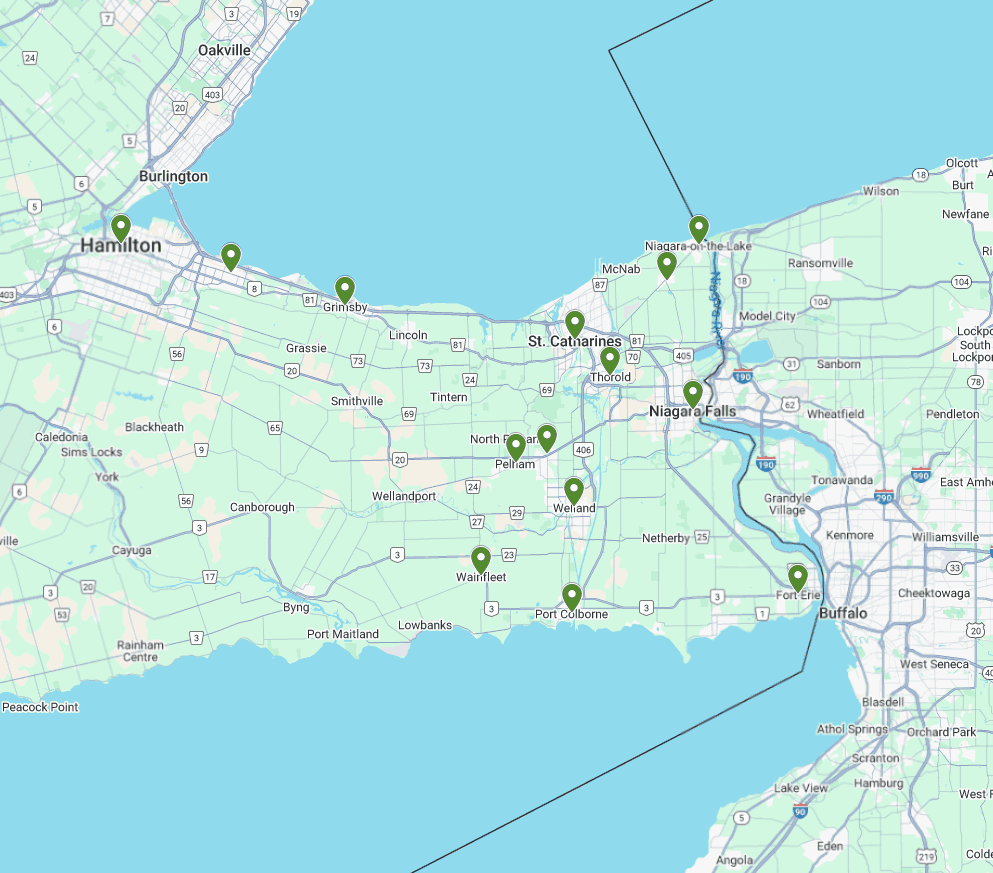
Service Areas
Our service areas encompass a wide range of locations, ensuring that we can meet the needs of our clients wherever they are. From bustling urban centers to serene rural landscapes, we are committed to providing top-notch services tailored to each unique environment.