



Thorold residents rely on timely heating repairs to maintain safety, comfort, and energy efficiency during harsh winters. this service describes describes common issues such as no heat, intermittent heating, ignition problems, poor airflow, and boiler concerns, along with methodical diagnostic steps, safe testing, and clear repair options. It also covers typical replacements, emergency response, transparent estimates, and warranty-backed workmanship. Preventive maintenance tips and the importance of timely decisions help homeowners minimize downtime and protect equipment investment.
-min.jpeg)
Heating repair in Thorold, ON
When your home loses reliable heat during a Thorold winter, it is more than an inconvenience — it can affect comfort, safety, and energy costs. Heating repair in Thorold, ON focuses on quickly identifying root causes common to homes in the Niagara region and restoring safe, efficient operation of furnaces, boilers, and heat pumps. This It describes describess the typical problems we see, how technicians diagnose them, common repairs and parts replacement, expected response options including emergency repair, transparent estimate practices, workmanship assurances, and practical tips to prevent repeat issues.
Common heating problems in Thorold homes
Thorold experiences cold winters with occasional lake effect weather and rapid temperature swings. Those local factors, combined with aging equipment in many houses, produce a predictable set of heating issues:
- No heat at all
- Complete system failure due to electrical, fuel, or control faults
- Intermittent heat or short cycling
- Furnace or heat pump turns on and off frequently, reducing comfort and raising bills
- Strange noises
- Rattling, banging, or squealing from motors, ductwork, or heat exchangers
- Pilot light or ignition problems
- Standing pilot outage, intermittent ignition, or failed electronic ignitors
- Poor airflow or cold spots
- Clogged filters, failing blowers, blocked ducts, or zoning/control issues
- Odors or visible soot
- Combustion issues or dirty burners that require immediate attention
- Boiler-specific problems
- Pressure loss, radiator cold spots, leaks, or circulator pump failure
How technicians diagnose heating problems
Effective repairs start with a methodical diagnostic process that prioritizes safety and accuracy. Typical diagnostic steps include:
- Safety and visual inspection
- Check for gas leaks, carbon monoxide alarms, visible damage, and blocked vents or combustion air paths
- System history and symptom review
- Ask about when the problem started, recent maintenance, and any error codes from the thermostat or control panel
- Electrical and control checks
- Confirm power, fuses, breakers, thermostat communication, and control board status
- Combustion and fuel system inspection (for gas and oil systems)
- Examine burners, flame sensor, gas valve operation, and venting to ensure proper combustion
- Mechanical and airflow evaluation
- Inspect blower motors, belts, bearings, filters, and ductwork for restrictions or damage
- Performance and safety testing
- Measure temperatures, combustion efficiency (when needed), pressures, and cycling behavior to identify failing components
Technicians document findings and present clear repair options so you understand what is required and why.
Typical repair procedures and parts replacement
Repairs for home heating systems vary from simple to complex. Common procedures and components replaced include:
- Routine fixes
- Filter replacement, thermostat recalibration, and blower cleaning
- Ignition and pilot repairs
- Replace electronic ignitors, pilot assemblies, flame sensors, or ignition modules
- Controls and safety devices
- Replace control boards, pressure switches, limit switches, and relays
- Combustion and fuel system parts
- Gas valves, burners, inducer motors, and seals
- Mechanical components
- Blower motors, capacitors, belts, bearings, and circulator pumps for boilers
- Heat exchanger and major component assessment
- If a heat exchanger is cracked or corroded, technicians will evaluate repairability and safe operation; replacement or system upgrade may be advised
- Duct and airflow work
- Repair or re-balance ducts, replace dampers, and resolve restrictions that create cold spots or short cycling
Technicians use OEM parts or equivalent-quality components and follow manufacturer guidelines during repairs.
Response times and emergency heating repair
Heating failures are time sensitive in Thorold winters. Typical response options include next-business-day service for non-urgent repairs and prioritized, same-day or emergency service when safety or loss of heat is severe. Emergency situations that usually get immediate response include:
- No heat during extreme cold
- Signs of combustion problems such as soot, smell of gas, or a triggered carbon monoxide alarm
- Complete electrical failure of the heating system
Technicians often provide arrival windows and update on delays so homeowners know what to expect during an urgent service call.
Estimates, transparent pricing and workmanship guarantees
Transparency is essential at the decision stage. Expect a clear estimate process that includes:
- A documented diagnosis outlining the issue and recommended options
- A written scope of work that separates parts and labor so you can see what you are paying for
- Explanation of alternatives such as repair versus replacement when major components are involved
- Information about parts warranties and workmanship guarantees for completed repairs
While exact prices depend on system type, parts needed, and accessibility, a trustworthy repair approach always provides a clear, itemized estimate before major work proceeds and confirms any changes required during the job.
Preventing future heating problems in Thorold
Regular maintenance and seasonal preparation reduce emergency repairs and extend equipment life. Practical preventive steps include:
- Annual professional tune up before winter to check combustion, controls, and airflow
- Replace or clean filters every 1 to 3 months during high use
- Keep vents, intakes, and exhaust terminations free of snow and debris in winter
- Program thermostats to avoid wide temperature swings that stress equipment
- Inspect flue and venting for blockages, corrosion, or animal nests
- Consider carbon monoxide detectors on every level for safety
Homes on older foundations or that have had renovations should have ducts and combustion air pathways inspected for changes that can affect performance.
Why timely heating repair matters
Addressing heating problems early preserves equipment efficiency, lowers energy costs, maintains comfort, and reduces safety risks. In Thorold, where winters are cold and unpredictable, timely service prevents frozen pipes and ensures families and businesses stay safe and comfortable.
Consistent, professional diagnostics and repairs backed by clear estimates and workmanship assurances help homeowners make informed decisions about repair versus replacement and protect their investment in home comfort.

Customer Testimonials

Lifesavers!! The AC in our house decided to quit the day we were passing the keys to the new owners!! Instead of making a service call to the house, John coached me through the minor repair over the phone, saving me the money and time waiting for a repair person to come.Much appreciated! Thanks again John

We had an amazing experience getting our new furnace installed with Niagara Home Heating. The owner was very helpful, their quote was more then competitive and the technician who installed the unit was professional and friendly. I would recommend their services.
I had an issue with my hot water tank and called Niagara Home Heating. Their service was fantastic and reasonably priced—exactly how a business should be run!
Very efficient company. I needed an old solar water heater removed from my roof. They were quick to book an appointment for the next day after I sent photos. They were very knowledgeable of the issue. The 2 guys that came were friendly and competent with the job, including removal of all parts.
I called John today at 2:pm as my AC was not working and I wasn’t expecting even a call back as I knew with this hot weather we have had he would be swamped with calls. Well he called me back and showed at 8:pm on the same day to fix my AC. That is just incredible service and how much John really cares about his clients. Thank you John !
I have used Niagara Home heating for multiple projects for over 16 years. John and his staff are absolutely the best. I tell all my friends and family about Niagara Home Heating because you won’t get any better service or pricing anywhere in Niagara. He has saved me thousands and thousands of dollars and has never let me down.

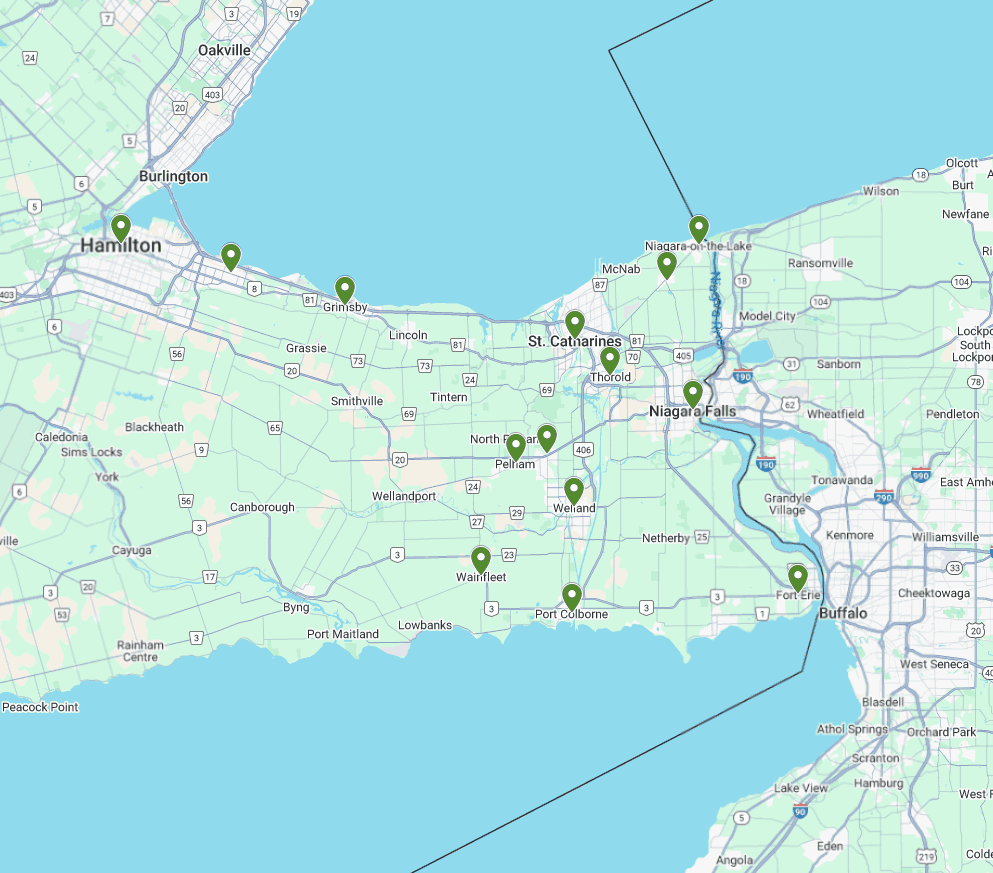
Service Areas
Our service areas encompass a wide range of locations, ensuring that we can meet the needs of our clients wherever they are. From bustling urban centers to serene rural landscapes, we are committed to providing top-notch services tailored to each unique environment.