



Virgil residents facing a furnace emergency can expect immediate, 24/7 service focused on safety, rapid stabilization, and clear guidance. Technicians triage by risk, dispatch quickly with essential parts, and perform on-site diagnostics, carbon monoxide testing, and code-compliant stabilization. When repairs are possible, they prioritize temporary fixes to restore heat while outlining longer-term replacements. Transparent pricing, documentation, and clear recommendations help homeowners decide between repair and replacement, ensuring reliable operation and peace of mind for Virgil, ON homes.
-min.jpeg)
Furnace Emergency-Furnace-Repair in Virgil, ON
Winter in Virgil, ON can bring extended cold snaps, heavy wet snow, and occasional power interruptions that turn a minor furnace problem into an emergency fast. When your heat goes out overnight or your furnace is making unusual noises, you need reliable, 24/7 emergency furnace repair that arrives quickly, diagnoses accurately, and secures your home until a full repair or replacement can be completed. This page explains what to expect from emergency furnace repair in Virgil, ON, how technicians triage urgent failures, typical on-site fixes, safety checks (including carbon monoxide testing), transparent emergency pricing practices, and practical steps you can take while waiting for help.
Common furnace emergency symptoms in Virgil, ON
Recognizing an emergency helps prevent frozen pipes, unsafe indoor air, and prolonged discomfort. Call for emergency furnace repair if you encounter any of these symptoms:
- No heat at all while the thermostat is calling for heat
- Furnace that starts then shuts down repeatedly (short cycling)
- Loud banging, clanking, or continuous rattling coming from the furnace or ductwork
- Burning smell, sizzling, or signs of overheating soon after startup
- Frequent pilot light outages or failure to ignite (for older gas furnaces)
- Gas smell or unusual odors near the furnace (treat as a gas emergency)
- Carbon monoxide detector alarms or symptoms of CO exposure (headache, nausea, dizziness)
- Furnace blower running constantly or not running at all
- Visible smoke or sparking from the unit
In Virgil, older homes and systems exposed to the region humidity and dust from renovation projects are common contributors to many of these emergencies.
Rapid-response protocol for 24/7 emergency furnace repair
Emergency furnace repair in Virgil prioritizes safety and speed. Typical rapid-response protocols include:
Technicians in the Niagara region are experienced dealing with cold-weather emergencies, power fluctuation issues, and older venting systems common to Virgil homes. Rural access considerations may slightly affect travel time, so technicians carry parts and temporary solutions to reduce repeat visits.
On-site diagnostic and temporary stabilization procedures
When the technician arrives they follow a structured approach: safety checks first, then diagnosis and stabilization.
- Visual safety inspection of the furnace, venting, and surrounding area
- Verify thermostat calls and electrical power to the unit
- Check ignition system, flame sensor, pilot assembly, and pressure switches (for gas furnaces)
- Inspect blower motor, belts, and control board for failure signs
- Run a combustion analysis when safe to confirm proper combustion and check for backdrafting
Temporary stabilization methods used in emergencies:
- Reset or bypass faulty controls to restore heat temporarily when safe and code-compliant
- Replace accessible ignition components or sensors on the spot (common parts carried by technicians)
- Secure loose duct connections or isolate noisy sections to stop damaging vibrations
- Provide safe, temporary venting or shut off gas/electrical feed if there is a suspected leak or combustion hazard
Technicians communicate which measures are temporary and which repairs will be needed to fully restore reliable operation.
Common emergency fixes and when replacement is recommended
Many furnace emergencies are repairable quickly; others indicate end-of-life. Common emergency fixes:
- Replacing failed ignition modules, flame sensors, or control relays
- Repairing or replacing blower motors or capacitors causing loss of airflow
- Clearing blocked intake or exhaust vents that cause shutdowns or CO risk
- Tightening or replacing failed electrical connections and fuses
- Cleaning heavily fouled burner assemblies or flame sensors to restore ignition
Replacement is usually recommended when:
- The furnace is older than 15 to 20 years and requires repeated major repairs
- There is a cracked heat exchanger (safety and efficiency concern)
- Repair costs approach or exceed the reasonable remaining life value of the furnace
- System efficiency is very low and replacement will significantly reduce heating costs and risk of future emergencies
Technicians will explain repair versus replacement tradeoffs based on age, condition, and your home heating needs in Virgil.
Safety checks and carbon monoxide testing
Carbon monoxide (CO) risk increases when venting or combustion components fail. Emergency protocols always include:
- Immediate CO detector check and portable CO meter reading at breathing level
- Inspection of venting, flue pipe, chimney, and exhaust terminations for blockages or damage
- Combustion analysis when burners can run safely to verify proper CO and combustion gas levels
- If CO readings are elevated, technicians will shut down the furnace and secure the area until the hazard is resolved
If your CO alarm activates, treat it as an emergency: evacuate occupants, move to fresh air, and seek immediate professional help.
Transparent emergency pricing and guarantees
Emergency service work differs from scheduled maintenance. Expect clear, upfront communication about:
- Emergency service call fees and how they apply to the overall repair cost
- What parts and labor are included in the emergency visit versus follow-up work
- Warranties and guarantees on emergency parts installed and the repair workmanship
A professional emergency furnace repair process in Virgil will provide documentation of the diagnostic findings, a transparent estimate for recommended repairs or replacement, and details about any short-term fixes performed during the emergency visit.
What to do while waiting for the technician
While waiting for the emergency furnace technician, these steps improve safety and comfort:
- If you smell gas, evacuate everyone and contact the gas utility immediately from a safe location
- If a CO alarm is sounding or occupants feel ill, get fresh air and call for help right away
- Set thermostats to a reasonable temperature and avoid repeatedly turning the system on and off
- Close off unused rooms to concentrate available heat in living areas
- Use safe portable heaters if you have them, following manufacturer safety rules and never leaving them unattended
- Protect pipes in unheated spaces by opening cabinet doors and allowing warmer air to circulate
Keep pets and vulnerable occupants warm and ensure clear access to the furnace for the technician.
Final thoughts and routine prevention
Emergency furnace repair restores heat and safety fast, but the best protection is preventive care. In Virgil, with cold winters and periodic storms, annual preseason furnace service, working CO detectors, and routine filter changes can greatly reduce emergency risk. When emergencies do occur, a clear, safety-first approach, on-site temporary stabilization, and transparent repair recommendations help you get back to a warm, safe home quickly. Regular maintenance and timely replacement decisions based on technician assessments will minimize future disruptions and improve overall efficiency for your Virgil, ON home.

Customer Testimonials

I called John today at 2:pm as my AC was not working and I wasn’t expecting even a call back as I knew with this hot weather we have had he would be swamped with calls. Well he called me back and showed at 8:pm on the same day to fix my AC. That is just incredible service and how much John really cares about his clients. Thank you John !

I had an issue with my hot water tank and called Niagara Home Heating. Their service was fantastic and reasonably priced—exactly how a business should be run!
Lifesavers!! The AC in our house decided to quit the day we were passing the keys to the new owners!! Instead of making a service call to the house, John coached me through the minor repair over the phone, saving me the money and time waiting for a repair person to come.Much appreciated! Thanks again John
Very efficient company. I needed an old solar water heater removed from my roof. They were quick to book an appointment for the next day after I sent photos. They were very knowledgeable of the issue. The 2 guys that came were friendly and competent with the job, including removal of all parts.
I have used Niagara Home heating for multiple projects for over 16 years. John and his staff are absolutely the best. I tell all my friends and family about Niagara Home Heating because you won’t get any better service or pricing anywhere in Niagara. He has saved me thousands and thousands of dollars and has never let me down.
We had an amazing experience getting our new furnace installed with Niagara Home Heating. The owner was very helpful, their quote was more then competitive and the technician who installed the unit was professional and friendly. I would recommend their services.

Service Areas
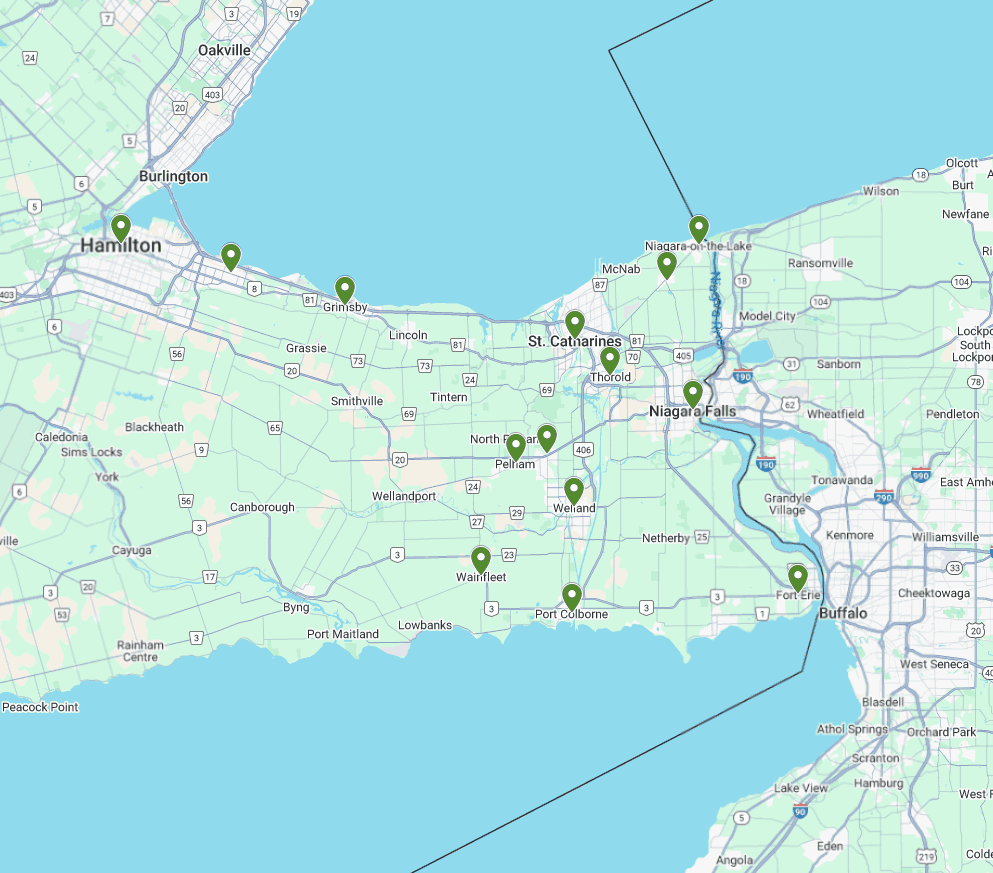
Our service areas encompass a wide range of locations, ensuring that we can meet the needs of our clients wherever they are. From bustling urban centers to serene rural landscapes, we are committed to providing top-notch services tailored to each unique environment.