



Trusted guidance for Virgil, ON homeowners seeking furnace installation, It describes a comprehensive process from initial consultation to final commissioning. It covers load calculations, ductwork assessment, venting and condensate considerations, equipment selection (including high-efficiency condensing models and modulating options), site preparation, safety checks, and testing. It describes permits needs, timelines, and warranty expectations while emphasizing proper venting, air distribution, and ongoing maintenance to ensure reliable, energy-efficient heating tailored to Virgil's climate. Designed to educate homeowners and support informed decisions.
-min.jpeg)
Furnace installation in Virgil, ON
Replacing or installing a new furnace is a major decision for Virgil, ON homeowners. With cold, snowy winters and humidity swings from Lake Ontario, the right heating system affects comfort, indoor air quality, and energy bills for years. This page explains what to expect from professional furnace installation in Virgil, ON — from the initial consultation and load calculation to final commissioning, safety checks, and warranty coverage — so you can make an informed, confident decision.
Why proper furnace installation matters in Virgil homes
- Virgil experiences long heating seasons and occasional deep cold snaps. An undersized or poorly installed furnace will run constantly, shorten equipment life, and increase fuel costs.
- Older houses in the Niagara Region often have mixed ductwork and limited mechanical room space, which requires careful planning to ensure proper airflow and combustion venting.
- Lake-effect humidity and freeze-thaw cycles can magnify installation issues such as vent condensation and flue performance, making correct venting and condensate management essential.
Common furnace installation types and considerations
- Full furnace replacement: Remove the old unit, assess ductwork, install the new high-efficiency furnace, and commission the system.
- Changeouts with existing venting: When existing venting and gas piping are compatible, a quicker swap may be possible, but verification is required.
- Upgrade to high-efficiency condensing furnace: Requires proper PVC venting and condensate routing; often yields substantial fuel savings in colder climates.
- Two-stage or modulating systems: Provide better comfort and efficiency for homes with variable heat loads common in the Niagara Region.
- Conversion or relocation: Moving the furnace location or converting to direct venting may involve carpentry, duct modifications, and permits.
Pre-install consultation and load calculations
A professional furnace installation begins with a detailed pre-install consultation that includes:
- A room-by-room heat loss calculation (Manual J) to determine the correct furnace size. This prevents both undersizing and oversizing, each of which causes problems.
- Assessment of existing ductwork and registers to ensure the selected furnace can deliver required airflow.
- Review of gas line capacity, electrical service, venting options, and combustion air availability.
- Discussion of efficiency ratings. In Virgil, choosing a high AFUE (Annual Fuel Utilization Efficiency) unit can reduce winter fuel costs and pay back over time for homes with longer heating seasons.
Selecting compatible equipment and efficiency ratings
- Efficiency and system type should match your home’s needs. Condensing furnaces with AFUE in the high 90s deliver the best fuel efficiency but require proper condensate management and PVC venting.
- Single-stage vs two-stage vs modulating: Two-stage or modulating furnaces run longer at lower output, improving comfort and reducing cycling in cold climates.
- Matching the furnace to your existing air handler, thermostat type, and any integrated systems (e.g., humidifiers, ERVs) is essential to maintain performance.
Site preparation and protection
- Installers will lay down protective floor runners and drop cloths, remove and dispose of the old furnace and packaging, and protect living areas from dust and debris.
- If structural changes are required for venting or relocation, installers coordinate needed repairs and ensure surfaces are returned to a clean condition.
Installation steps and safety checks
Commissioning and performance testing
- After installation, the furnace is commissioned with performance testing to confirm the system meets design output and efficiency expectations.
- Technicians measure supply and return temperatures, static pressures, airflow, and cycling behavior. They also test safety devices like limit switches, pressure switches, and carbon monoxide detectors.
- Final checks include verifying thermostat calibration, confirming zone control operation (if present), and demonstrating basic operation to the homeowner.
Cleanup, home protection, and documentation
- Professional crews protect floors and finishes, vacuum work areas, and haul away the old equipment and debris.
- You should receive documentation summarizing load calculations, unit model and serial numbers, installed venting configuration, and start-up test results.
- Installers often leave operation and maintenance tips specific to the installed model to help prolong service life.
Warranty coverage and expected timelines
- Typical manufacturer warranties vary by model but commonly include parts coverage for 5 to 10 years and limited heat exchanger warranties that can be longer. Labor warranties from contractors often range from 1 to 5 years. Confirm exact terms for your chosen equipment.
- Typical installation timelines:
- Simple changeout with compatible venting: most single-family homes can expect a same-day install (4 to 8 hours).
- New venting, condensate routing, or duct modifications: 1 to 2 days depending on complexity.
- Relocation or structural work: timelines extend accordingly and may involve permit turnaround time.
Permits, code compliance, and safety in Ontario
- Furnace installations in Virgil must meet Ontario Building Code and gas installation regulations. Professionals will obtain any required permits and ensure inspection or notification as needed.
- Combustion safety checks and carbon monoxide considerations are critical in tightly insulated homes popular in the Niagara Region.
Long-term benefits and maintenance advice
- Properly sized and installed furnaces deliver better comfort, improved energy efficiency, and longer equipment life — especially important with Virgil’s extended heating season.
- Annual maintenance, including filter changes, combustion analysis, and blower inspections, preserves efficiency and safety.
- Consider pairing a high-efficiency furnace with zoning, a programmable or smart thermostat, and regular duct sealing to maximize comfort and lower operating costs.
A correctly planned and executed furnace installation addresses the specific challenges of Virgil homes: cold winters, older duct systems, and the need for reliable, efficient heat. Detailed load calculations, appropriate equipment selection, professional venting and condensate solutions, and thorough commissioning ensure the system performs safely and efficiently for years.

Customer Testimonials

Very efficient company. I needed an old solar water heater removed from my roof. They were quick to book an appointment for the next day after I sent photos. They were very knowledgeable of the issue. The 2 guys that came were friendly and competent with the job, including removal of all parts.

I called John today at 2:pm as my AC was not working and I wasn’t expecting even a call back as I knew with this hot weather we have had he would be swamped with calls. Well he called me back and showed at 8:pm on the same day to fix my AC. That is just incredible service and how much John really cares about his clients. Thank you John !
I have used Niagara Home heating for multiple projects for over 16 years. John and his staff are absolutely the best. I tell all my friends and family about Niagara Home Heating because you won’t get any better service or pricing anywhere in Niagara. He has saved me thousands and thousands of dollars and has never let me down.
I had an issue with my hot water tank and called Niagara Home Heating. Their service was fantastic and reasonably priced—exactly how a business should be run!
We had an amazing experience getting our new furnace installed with Niagara Home Heating. The owner was very helpful, their quote was more then competitive and the technician who installed the unit was professional and friendly. I would recommend their services.
Lifesavers!! The AC in our house decided to quit the day we were passing the keys to the new owners!! Instead of making a service call to the house, John coached me through the minor repair over the phone, saving me the money and time waiting for a repair person to come.Much appreciated! Thanks again John

Service Areas
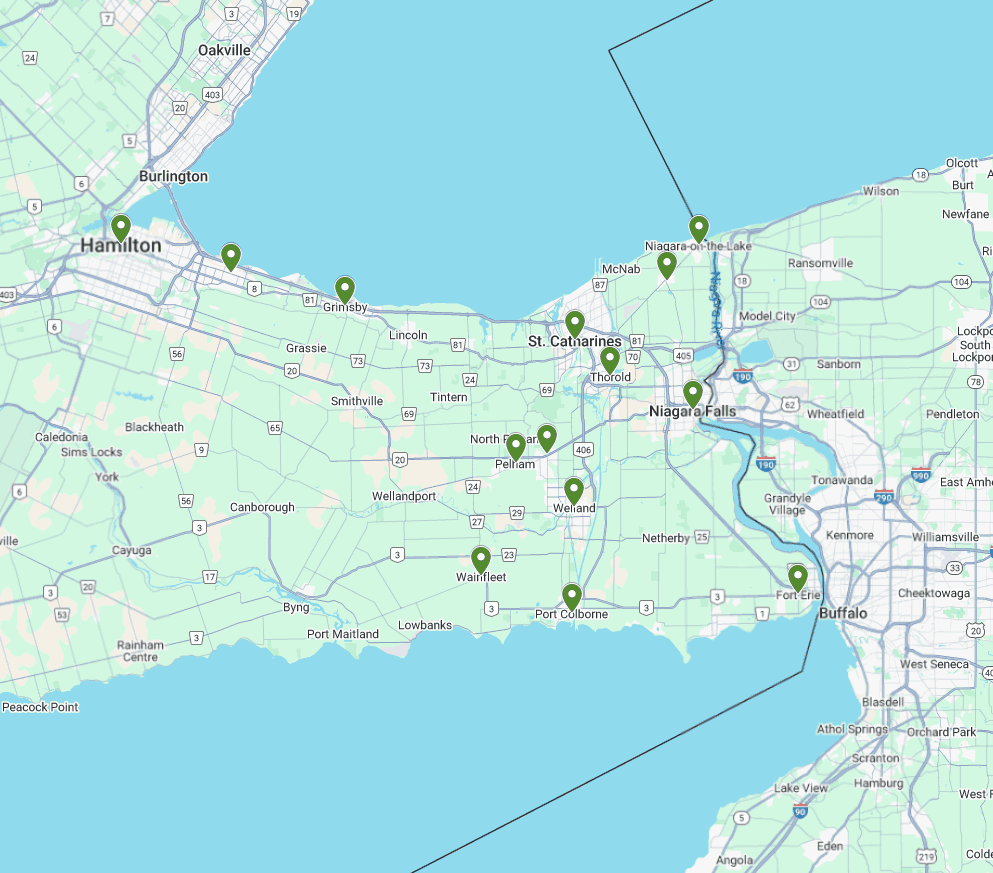
Our service areas encompass a wide range of locations, ensuring that we can meet the needs of our clients wherever they are. From bustling urban centers to serene rural landscapes, we are committed to providing top-notch services tailored to each unique environment.