



It describes professional heating repair in Virgil, ON for furnaces, boilers, and heat pumps, including diagnostic steps, common issues, and when repair or replacement makes sense. It describes the diagnostic process—from intake and visual inspection to electrical testing and performance verification—along with parts replacement workflows, safety checks, and carbon monoxide considerations. It also highlights emergency response, pricing transparency, maintenance tips, and the importance of timely repairs to keep homes warm and safe through winter.
.jpeg)
Heating repair in Virgil, ON
Winters in Virgil, ON are cold and can be unpredictable. When a furnace, boiler, or heat pump fails, it quickly becomes more than an inconvenience — it is a safety and comfort concern for your home. It describes how professional heating repair in Virgil, ON works, what problems commonly occur in local homes, how systems are diagnosed and repaired, and when repair versus replacement makes the most sense.
What heating systems we diagnose and repair in Virgil, ON
- Furnaces (gas, oil, or electric): ignition systems, burners, blowers, control boards
- Boilers (hot water and steam): circulator pumps, valves, expansion tanks, relief valves
- Heat pumps (air-source and ducted systems): compressors, reversing valves, defrost cycles, refrigerant issues
Local homes near the Niagara escarpment experience wide temperature swings and higher heating demand, which makes timely, accurate repairs essential to avoid repeated failures and rising energy bills.
Common heating repair issues in Virgil, ON
- No heat: can be caused by thermostat failure, pilot/ignitor issues, fuel supply interruption, or control board faults
- Short-cycling: system turns on and off frequently — often due to improper sizing, clogged air filters, blocked flue, or failing controls
- Ignition and pilot problems: faulty electronic ignitors or pilot assemblies that prevent burners from lighting
- Blower or fan failure: noisy or non-functioning fans reduce airflow and cause overheating or shutdowns
- Uneven heating or cold spots: issues with ducting, zone valves, or circulation in boilers
- Boiler pressure loss or leaks: worn valves, corroded fittings, or failed expansion tanks
- Heat pump-specific faults: low refrigerant, defrost system failure, or failing compressors that lead to poor winter performance
Diagnostic and troubleshooting process
- System intake and history: gather symptoms, recent maintenance history, and duration of the fault. Local technicians will ask about recent power outages, unusual smells, or alarm activity.
- Visual inspection: check filters, vents, flue and combustion chamber, condensation drains, and ductwork for obvious problems.
- Safety checks first: measure for carbon monoxide, inspect venting and flue integrity, and confirm proper combustion before moving to repairs.
- Electrical and control diagnostics: test thermostats, control boards, relays, and safety switches with meters to isolate faults.
- Mechanical testing: evaluate burners, heat exchangers, circulators, motors, and refrigerant pressures on heat pumps using manufacturer procedures.
- Performance verification: after repair or adjustment, confirm system cycles correctly, reaches target temperatures, and passes safety tests.
Technicians serving Virgil will factor in local climate demands during diagnostics to ensure the repaired system can sustain winter loads.
Parts replacement and repair workflow
- When a component is identified as faulty, technicians explain repair options and expected lifespan. Common replacement parts include ignitors, flame sensors, pressure switches, circulator pumps, contactors, capacitors, and control boards.
- Replacement parts are sourced to meet manufacturer specifications; newer or high-efficiency components may be suggested if they improve reliability or efficiency.
- All repairs include post-service testing: combustion analysis for gas appliances, pressure checks for boilers, and system performance checks for heat pumps. Work is documented and any warranty on parts or labor is made clear before completion.
Emergency response and availability
Heating failures in winter demand prompt attention. Emergency repair services are available to address unsafe or no-heat situations, including late-night carbon monoxide alarms or complete heating loss. Response times vary with local conditions and incident severity; common repairs are often handled the same day when technicians can access parts or when temporary measures restore safe operation until parts arrive.
Safety checks and carbon monoxide concerns
Carbon monoxide (CO) risk rises with cracked heat exchangers, blocked flues, or incomplete combustion. Safety procedures include:
- Testing for CO at appliance and living space levels
- Inspecting heat exchangers for cracks or corrosion
- Checking venting and chimney drafts
- Verifying proper gas pressure and burner combustion settings
If a CO detector activates, evacuate the building and contact emergency services immediately. Appliances that fail safety checks should remain offline until repaired.
Pricing approach and typical turnaround times
Pricing is transparent and based on diagnostic findings, parts required, and labor. Typical process:
- Initial diagnostic fee to identify the fault and provide an estimate
- Clear quote for parts and labor before any work proceeds
- Common repairs (filters, ignitors, thermostats, sensor replacements) are frequently completed the same day
- Repairs requiring uncommon parts or major components may take 24 to 72 hours depending on parts availability
Turnaround times can be influenced by seasonal demand and supply chain factors. Local technicians aim to balance speedy service with quality repairs and proper testing.
When to repair vs replace
Consider replacement when:
- The system is near or beyond expected lifespan (furnace 15 to 20 years, boiler 15 to 25 years, heat pump 10 to 15 years)
- Repair cost approaches or exceeds 50% of replacement cost
- Recurring breakdowns suggest multiple failing components
- Efficiency and fuel-switching incentives (such as heat pump rebates or home efficiency goals) make a modern replacement more economical long term
Repair is preferred when the problem is isolated, the system has remaining useful life, and safety can be restored affordably. Your decision should weigh reliability, energy savings, and expected remaining service life.
Maintenance tips to reduce future repairs
- Replace or clean filters every 1 to 3 months during heavy use seasons
- Schedule annual heating tune-ups before winter to catch wear early
- Keep outdoor units and vents clear of snow, debris, and ice in winter months
- Balance thermostat settings and ensure ductwork registers are open for even heating
- Address small warning signs promptly: odd noises, smells, or frequent cycling
Timely maintenance reduces emergency calls, extends equipment life, and lowers energy bills — especially important for Virgil homes that endure long heating seasons.
Why timely heating repair matters in Virgil, ON
Prompt, professional heating repair restores comfort and safety, prevents secondary damage, and keeps energy costs predictable through harsh winters. Whether you have a furnace, boiler, or heat pump, accurate diagnostics, safety-first procedures, and clear repair recommendations protect your home and investment while keeping your household warm and safe during the coldest months.

Customer Testimonials

I called John today at 2:pm as my AC was not working and I wasn’t expecting even a call back as I knew with this hot weather we have had he would be swamped with calls. Well he called me back and showed at 8:pm on the same day to fix my AC. That is just incredible service and how much John really cares about his clients. Thank you John !

Very efficient company. I needed an old solar water heater removed from my roof. They were quick to book an appointment for the next day after I sent photos. They were very knowledgeable of the issue. The 2 guys that came were friendly and competent with the job, including removal of all parts.
Lifesavers!! The AC in our house decided to quit the day we were passing the keys to the new owners!! Instead of making a service call to the house, John coached me through the minor repair over the phone, saving me the money and time waiting for a repair person to come.Much appreciated! Thanks again John
I had an issue with my hot water tank and called Niagara Home Heating. Their service was fantastic and reasonably priced—exactly how a business should be run!
We had an amazing experience getting our new furnace installed with Niagara Home Heating. The owner was very helpful, their quote was more then competitive and the technician who installed the unit was professional and friendly. I would recommend their services.
I have used Niagara Home heating for multiple projects for over 16 years. John and his staff are absolutely the best. I tell all my friends and family about Niagara Home Heating because you won’t get any better service or pricing anywhere in Niagara. He has saved me thousands and thousands of dollars and has never let me down.

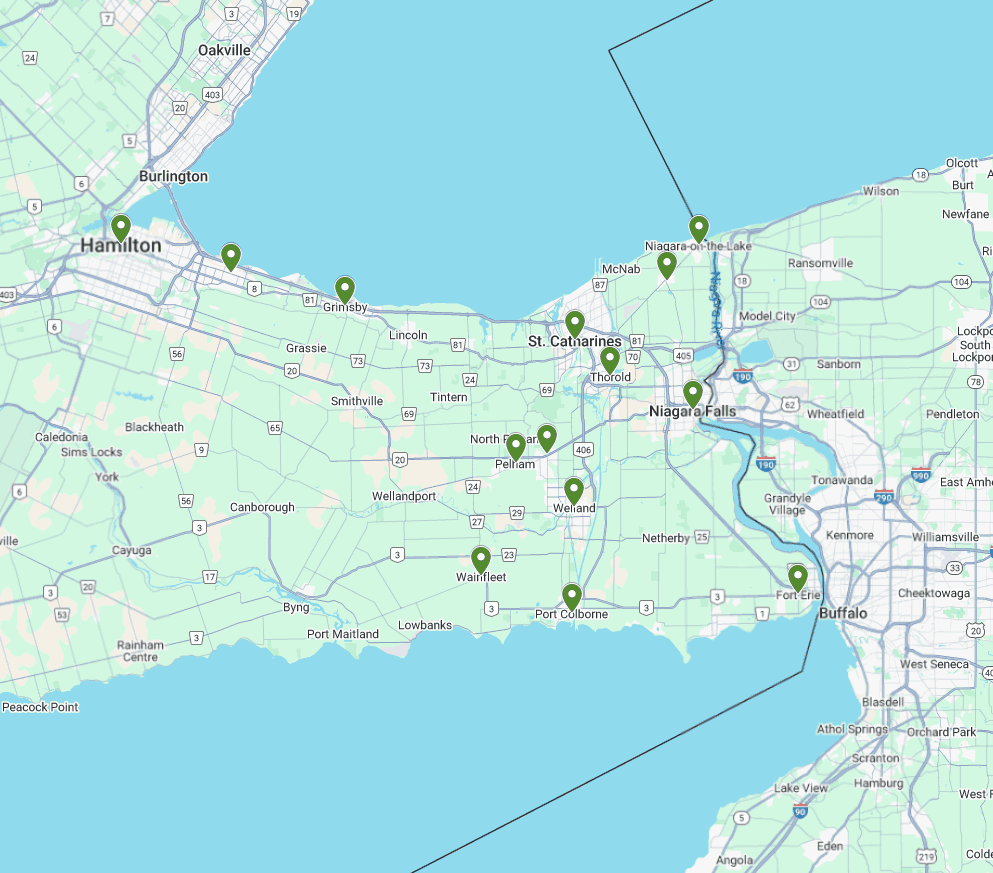
Service Areas
Our service areas encompass a wide range of locations, ensuring that we can meet the needs of our clients wherever they are. From bustling urban centers to serene rural landscapes, we are committed to providing top-notch services tailored to each unique environment.