



Furnace replacement for Virgil, ON homes, emphasizing timely upgrades, energy efficiency, and comfort. It covers the full process from initial home assessment and load calculation through installation, testing, and handover, including ductwork, venting, and wiring considerations. It highlights energy-efficient model options, permitting requirements, and financing or warranty details, along with tips to maximize performance post-install. With a methodical approach to sizing, scheduling, and quality control, the guide helps homeowners achieve safer operation and lower winter fuel costs.
-min.jpeg)
Furnace Replacement in Virgil, ON
Replacing a furnace is one of the most important investments you can make in your Virgil, ON home. With cold, snowy winters and temperature swings influenced by nearby Lake Ontario, an efficient, correctly sized furnace keeps your home comfortable, reduces fuel use, and improves indoor air quality. This page explains the full furnace replacement process, what to expect on timelines, the steps we take from assessment to final testing, recommended energy efficient options, warranty and financing considerations, and practical tips to maximize your new system’s performance in Virgil homes.
Why replace your furnace now
- Older units lose efficiency, break down more often, and can have safety risks such as carbon monoxide leaks or cracked heat exchangers.
- In Virgil, longer cold spells increase runtime and energy costs, so a high-efficiency furnace will pay dividends through lower fuel bills and more consistent indoor comfort.
- Replacing a mismatched or undersized furnace during renovations or before a major winter helps avoid emergency replacements during peak season.
Common furnace replacement scenarios in Virgil, ON
- Complete failure of an aging furnace that cannot be economically repaired.
- Replacing a low-efficiency unit with a modern high-efficiency condensing furnace to reduce energy use.
- Upsizing or downsizing after an addition or major insulation upgrade.
- Replacing an old oil or electric furnace with a natural gas high-efficiency unit where available.
- Improving home comfort by correcting ductwork issues or adding zoning.
Step 1 — Initial home assessment and load calculation
A precise assessment is the foundation of a successful replacement. We perform:
- A room-by-room heating load calculation (often called Manual J) to determine the correct furnace capacity. This prevents short cycling, uneven heat, and wasted energy.
- Inspection of existing ductwork, vents, flues, and gas lines to identify necessary modifications.
- Review of insulation levels, window performance, and the home’s layout, all of which affect system selection.
- Discussion of homeowner comfort goals, thermostat preferences, and budget considerations.
Recommended energy-efficient models and brand options
For Virgil homes, high-efficiency condensing furnaces are commonly recommended because they recover more heat from combustion gases and reduce fuel use. Considerations include:
- High AFUE ratings for better seasonal efficiency. AFUE indicates how much fuel becomes usable heat.
- Variable-speed blowers for improved comfort and lower electrical use.
- Modulating gas valves for precise temperature control and efficiency during mild weather.
Popular and reliable manufacturer options often considered include models from Carrier, Lennox, Trane, Goodman, and York. Choice depends on required capacity, efficiency goals, preferred features, and warranty structure.
Step 2 Permitting and preparation
- Many furnace replacements require local permits and must meet Ontario building and gas code standards. We document and secure necessary permits before work begins.
- Preparation at the home includes protecting floors and furnishings, confirming clear equipment access, and coordinating any electrical or structural work that might be needed.
Step 3 Detailed installation process
Installation typically follows these stages:
Expected timeline
- In-home assessment and load calculation: typically completed in one visit.
- Permitting: timing varies by municipality; allow several business days to a couple of weeks.
- Installation day: many straight-forward replacements can be completed in one full day. More complex replacements involving ductwork modification, structural work, or rerouting vents can take two to three days.
- Final inspection scheduling depends on local inspectors and can add a few days after installation.
What affects project cost
Costs vary by equipment type and complexity. Key drivers include:
- Required furnace capacity and chosen efficiency level.
- Extent of ductwork repairs or replacements.
- Need for gas line upgrades, venting changes, or condensate handling.
- Structural access issues or additional trades (electrical, carpentry).
- Permit and inspection fees.
Instead of price figures, weigh these factors when comparing proposals so you understand what you are paying for.
Warranty and financing options
- Most modern furnaces come with manufacturer parts warranties; common offerings include multi-year parts coverage and longer warranties on heat exchangers. Confirm specific terms when selecting equipment.
- Many installations include labor warranties to protect against workmanship issues. Ask about warranty registration and what is required to maintain coverage.
- Financing and payment plans are commonly available through lenders or dealer programs to spread investment over time. In Virgil, homeowners often pair financing with efficiency upgrades to make the project budget-friendly.
Post-installation testing and customer walk-through
After installation we perform comprehensive testing:
- Combustion and carbon monoxide testing to confirm safe operation.
- Airflow and temperature rise checks to ensure the furnace matches calculated performance.
- Thermostat calibration and system sequencing to verify heating cycles are correct.
- A full walk-through explaining system operation, maintenance tasks, filter types, and how to register warranties. Documentation is left for the homeowner.
Tips for maximizing your new system’s efficiency in Virgil
- Use a programmable or smart thermostat to reduce runtime during unoccupied hours.
- Keep ducts sealed and insulated, especially in unheated spaces. Leaky ducts are a common source of wasted energy in older Niagara Region homes.
- Replace filters regularly and consider higher MERV ratings balanced with your blower capacity.
- Schedule annual professional maintenance to preserve efficiency and identify issues early.
- Improve building envelope performance with attic and basement insulation upgrades where possible.

Customer Testimonials

I called John today at 2:pm as my AC was not working and I wasn’t expecting even a call back as I knew with this hot weather we have had he would be swamped with calls. Well he called me back and showed at 8:pm on the same day to fix my AC. That is just incredible service and how much John really cares about his clients. Thank you John !

I have used Niagara Home heating for multiple projects for over 16 years. John and his staff are absolutely the best. I tell all my friends and family about Niagara Home Heating because you won’t get any better service or pricing anywhere in Niagara. He has saved me thousands and thousands of dollars and has never let me down.
We had an amazing experience getting our new furnace installed with Niagara Home Heating. The owner was very helpful, their quote was more then competitive and the technician who installed the unit was professional and friendly. I would recommend their services.
I had an issue with my hot water tank and called Niagara Home Heating. Their service was fantastic and reasonably priced—exactly how a business should be run!
Lifesavers!! The AC in our house decided to quit the day we were passing the keys to the new owners!! Instead of making a service call to the house, John coached me through the minor repair over the phone, saving me the money and time waiting for a repair person to come.Much appreciated! Thanks again John
Very efficient company. I needed an old solar water heater removed from my roof. They were quick to book an appointment for the next day after I sent photos. They were very knowledgeable of the issue. The 2 guys that came were friendly and competent with the job, including removal of all parts.

Service Areas
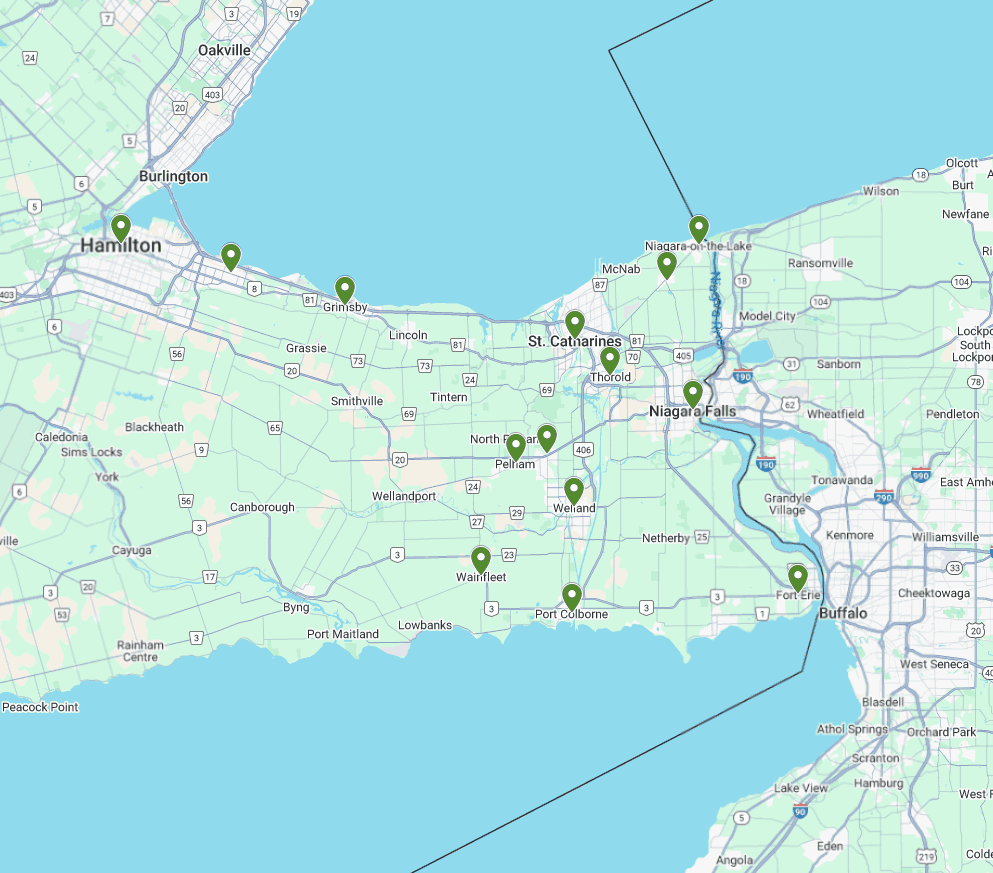
Our service areas encompass a wide range of locations, ensuring that we can meet the needs of our clients wherever they are. From bustling urban centers to serene rural landscapes, we are committed to providing top-notch services tailored to each unique environment.