



Furnace tune-ups in Virgil, ON deliver safer combustion, better heat transfer, and steadier airflow by inspecting, cleaning, adjusting, and testing critical furnace components. A thorough checklists covers burners, ignition systems, thermostat accuracy, lubrication, electrical connections, airflow measurements, heat exchanger safety, condensate management, and filter replacement. Typical service lasts 60–90 minutes, with longer times for older or complex units. Benefits include lower energy use, more consistent temperatures, quieter operation, reduced emergency repairs, and extended equipment life when performed annually before peak heating season.
-min.jpeg)
Furnace Tune-Up in Virgil, ON
Keeping your furnace running reliably and efficiently is essential in Virgil, ON, where cold winters and fluctuating shoulder seasons put heavy demand on home heating systems. A professional furnace tune-up addresses immediate comfort concerns, restores lost efficiency, and reduces the risk of emergency breakdowns when you need heat most. Below is a clear, homeowner-friendly explanation of what a comprehensive furnace tune-up includes, how long it takes, the measurable performance improvements to expect, the best timing for service in Virgil, and why tune-ups prevent costly emergencies.
Why a furnace tune-up matters for Virgil homes
- Virgil sees cold winters and rapid temperature swings in fall and spring. Furnaces in this region run longer and harder than in milder climates, accelerating wear on parts.
- Local pollen, seasonal dust from nearby construction or renovations, and road salt can clog filters and corrode components, reducing airflow and efficiency.
- High-efficiency, condensing furnaces common in newer homes require regular checks of condensate traps and drains to avoid blockages after humid summers.
A yearly professional tune-up ensures safe combustion, optimal heat transfer, and consistent airflow so your furnace delivers reliable warmth while using the least energy possible.
What a comprehensive furnace tune-up includes
A proper tune-up follows a systematic checklist to inspect, clean, adjust, and test all critical systems. The typical items covered are:
- Cleaning burners
Remove soot, dust, and debris from burners so flame shape and combustion remain consistent. Clean burners improve fuel-to-air mixing for more complete combustion. - Inspecting and adjusting ignition and pilot systems
Check hot surface ignitors, electronic ignition, and pilot assemblies for wear or improper timing. Adjust or flag for replacement if ignition is erratic. - Testing thermostat and control systems
Verify thermostat calibration and communication with the furnace. Test control board functions, safety limits, and sequence of operation to ensure the system starts, runs, and shuts off correctly. - Lubricating moving parts
Lubricate blower bearings, motor shafts, and other moving components where applicable to reduce friction and prolong motor life. - Checking electrical connections
Tighten terminals, inspect wiring for corrosion or damage, and test voltage and amp draw on motors to identify signs of electrical strain. - Verifying airflow and distribution
Inspect and measure airflow patterns, check filter condition and duct access, and test static pressure when needed. Proper airflow reduces cycling and keeps heat distributed evenly. - Inspecting heat exchanger and safety devices
Visual check for cracks or corrosion in the heat exchanger, test safety switches, flame rollout switches, and carbon monoxide safety features. - Checking condensate lines and traps (high-efficiency units)
Clear blockages, test condensate pump operation, and ensure proper drainage to prevent water damage and corrosion. - Replacing the air filter (if supplied/approved)
Confirm or advise on the correct filter size and MERV rating for your home; a clean filter is essential for airflow and indoor air quality.
Expected service duration
- Most full furnace tune-ups take between 60 and 90 minutes for a standard forced-air system.
- Older or multi-stage systems, systems with restricted access, or units requiring additional testing (combustion analysis, static pressure testing) can take up to 2 hours.
- If the technician identifies worn parts that require replacement, additional time will be needed for repairs or scheduling follow-up service.
Measurable performance improvements to expect
After a professional tune-up you should notice and be able to measure specific improvements:
- Improved energy use — Many homes see a measurable reduction in fuel consumption, commonly a few percent up to low double digits, depending on the system’s previous condition and the quality of the tune-up.
- More consistent indoor temperature — Fewer temperature swings and reduced short-cycling because airflow and thermostat control are optimized. Temperature stability often improves by 1–3°C depending on system issues corrected.
- Quieter operation — Proper lubrication and tightened components reduce rattles and motor noise.
- Longer run times between issues — Routine maintenance reduces the frequency of service calls and emergency failures.
- Safer combustion — Cleaner burners, correct air-fuel mix, and a checked heat exchanger reduce the chance of incomplete combustion and help keep carbon monoxide output within safe limits.
- Verified airflow metrics — Static pressure and airflow readings (when taken) provide a before-and-after baseline so you can see tangible changes in system performance.
Seasonal timing recommendations for Virgil
- Fall (September to October) — The best time for a tune-up is in early fall before continuous freezing temperatures begin. Scheduling before the first major cold snap ensures your furnace runs reliably when demand spikes.
- Late spring (optional) — A spring check is useful for high-use homes, newly purchased homes, or after heavy renovation/dust exposure. This helps catch issues caused by winter stress and prepares the system for summer downtime.
- Annual frequency — For most systems, an annual professional tune-up is recommended. Older furnaces, high-cycle systems, or homes with immune-compromised occupants may benefit from twice-yearly inspections.
How tune-ups help prevent emergency repairs
- Early detection of worn parts (ignitors, belts, bearings) allows planned replacement before failure during extreme cold.
- Cleaning and correcting combustion reduces flame instability and prevents flame rollout or heat exchanger damage that would otherwise cause shutdowns or safety lockouts.
- Clearing condensate drains and checking pressure switches prevent shutdowns and water damage in high-efficiency furnaces.
- Tightened electrical connections and verified motor amp draw reduce the risk of motor burnout and sudden electrical failures.
- Addressing airflow restrictions protects the heat exchanger from overheating and reduces cycling that causes premature wear.
Simple homeowner steps between tune-ups
- Replace or check filters every 1–3 months depending on use and filter type.
- Keep vents and returns unobstructed and free of dust, pet hair, and furniture.
- Note any unusual noises, odors, or changes in heating patterns and document when they occur (time of day, conditions). This information helps technicians diagnose issues faster.
- Ensure clear access to the furnace and outdoor exhaust/air intake areas, especially after winter planting, landscaping, or snow clearing.
A professional furnace tune-up in Virgil, ON is an investment in safety, comfort, and predictable heating costs. Regular, thorough maintenance reduces risk of mid-winter failures, improves efficiency, and extends the useful life of your heating system so your home stays warm through Niagara Region winters.

Customer Testimonials

Very efficient company. I needed an old solar water heater removed from my roof. They were quick to book an appointment for the next day after I sent photos. They were very knowledgeable of the issue. The 2 guys that came were friendly and competent with the job, including removal of all parts.

We had an amazing experience getting our new furnace installed with Niagara Home Heating. The owner was very helpful, their quote was more then competitive and the technician who installed the unit was professional and friendly. I would recommend their services.
I had an issue with my hot water tank and called Niagara Home Heating. Their service was fantastic and reasonably priced—exactly how a business should be run!
I called John today at 2:pm as my AC was not working and I wasn’t expecting even a call back as I knew with this hot weather we have had he would be swamped with calls. Well he called me back and showed at 8:pm on the same day to fix my AC. That is just incredible service and how much John really cares about his clients. Thank you John !
Lifesavers!! The AC in our house decided to quit the day we were passing the keys to the new owners!! Instead of making a service call to the house, John coached me through the minor repair over the phone, saving me the money and time waiting for a repair person to come.Much appreciated! Thanks again John
I have used Niagara Home heating for multiple projects for over 16 years. John and his staff are absolutely the best. I tell all my friends and family about Niagara Home Heating because you won’t get any better service or pricing anywhere in Niagara. He has saved me thousands and thousands of dollars and has never let me down.

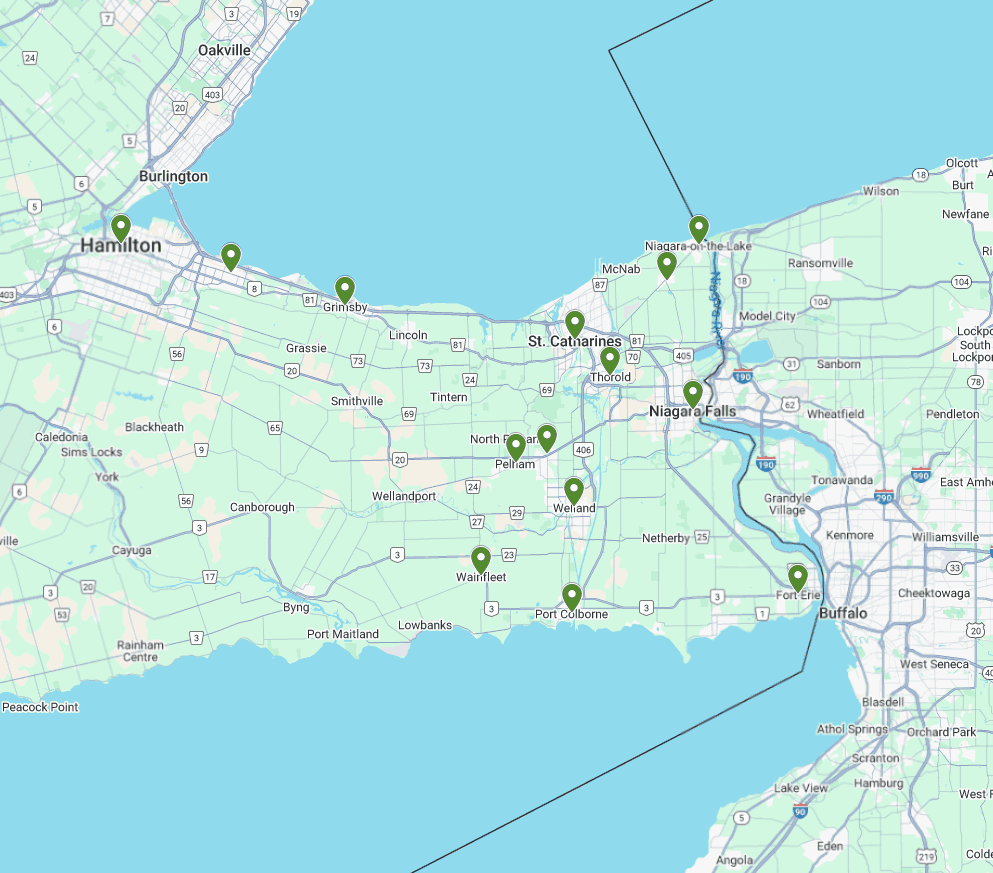
Service Areas
Our service areas encompass a wide range of locations, ensuring that we can meet the needs of our clients wherever they are. From bustling urban centers to serene rural landscapes, we are committed to providing top-notch services tailored to each unique environment.