



Furnace maintenance in Virgil, ON describes a comprehensive seasonal care program designed to prevent mid-winter failures, improve efficiency, and safeguard occupants. It covers common issues like dirty air filters, clogged burners, and degraded heat exchangers, along with a systematic inspection checklist, recommended service intervals, and typical price ranges. The guide emphasizes preventive plans, reminders, and transparent pricing, plus practical tips for homeowners to maximize performance. By following these recommendations, households can extend equipment life, reduce energy costs, and maintain safe, reliable heat.
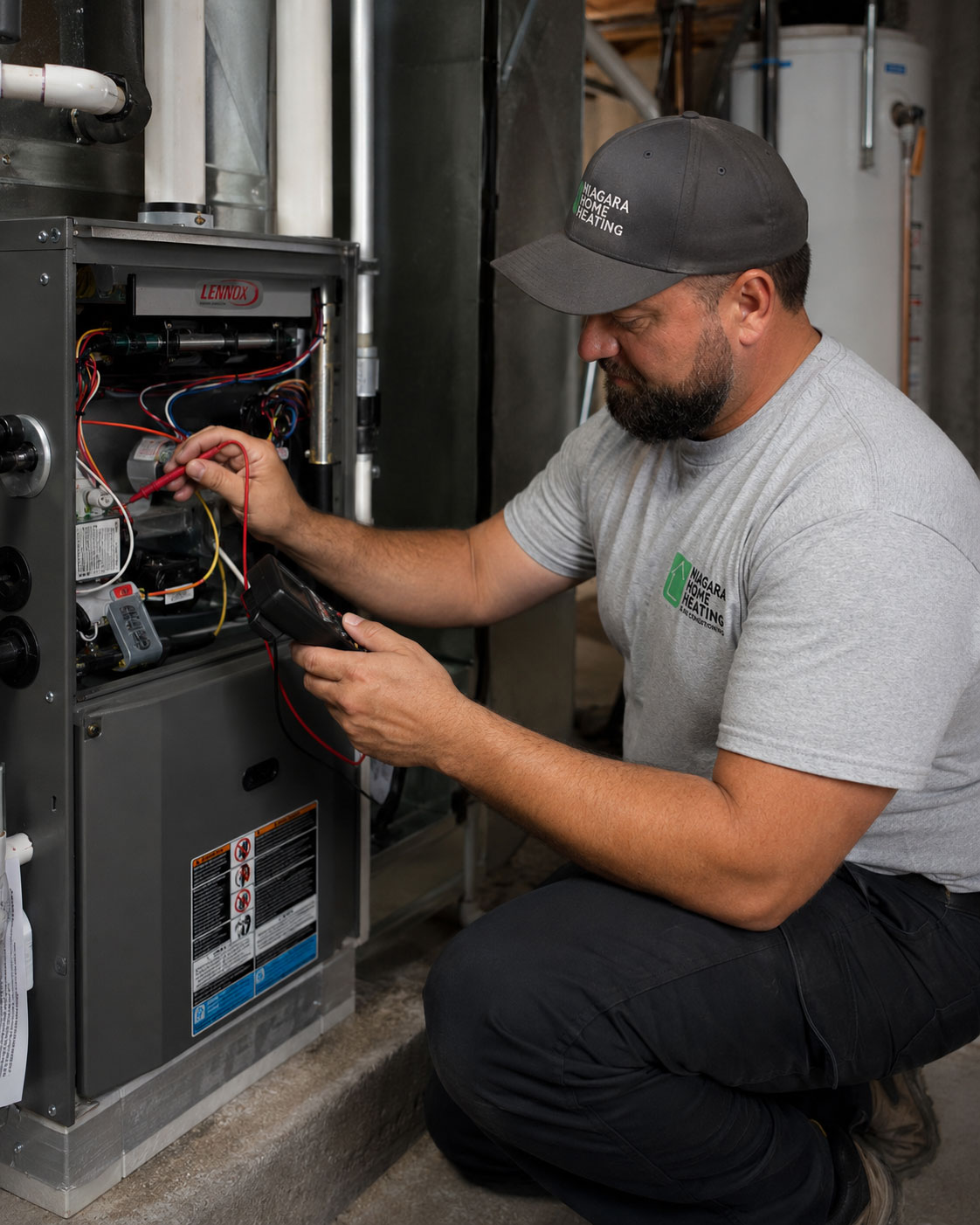
Furnace Maintenance in Virgil, ON
Keeping your furnace in top condition is essential for reliable heat, lower energy bills, and safe operation—especially in Virgil, ON where cold winters, lake-effect weather, and older neighbourhood homes place extra demands on heating systems. A well-designed furnace maintenance program addresses seasonal wear, prevents unexpected breakdowns, and extends equipment life. Below is a clear, decision-focused guide to what professional furnace maintenance should include, common issues we see in Virgil homes, recommended intervals, and the typical service agreement and pricing structures available.
Why furnace maintenance matters in Virgil, ON
Virgil experiences cold, wet winters and wide temperature swings in shoulder seasons. These conditions:
- Increase run hours and stress on burners, motors, and control systems.
- Drive condensation and corrosion in venting and heat exchangers if combustion or venting are compromised.
- Push dust, pollen, and renovation dust through ductwork in spring and fall, reducing airflow and efficiency.
Regular maintenance reduces the chance of mid-winter failures, improves efficiency during long heating seasons, and ensures safe combustion to prevent carbon monoxide risks in homes with natural gas or propane furnaces.
Common furnace maintenance issues in Virgil, ON
- Dirty or clogged air filters restricting airflow and causing overheating.
- Soiled burners and ignition components leading to delayed starts or uneven heat.
- Accumulated dust in ducts and vents reducing airflow and indoor air quality.
- Cracked or corroded heat exchanger posing a safety hazard and reducing lifespan.
- Improper venting or blocked flues increasing backdraft risk and inefficient combustion.
- Worn belts, bearings, or blower motors increasing noise and energy use.
- Thermostat calibration errors causing short-cycling or comfort problems.
What a complete seasonal inspection includes
A professional seasonal inspection should be systematic and documented. Typical elements:
- Visual system check: cabinet, controls, and safety switches.
- Filter inspection and replacement schedule review.
- Combustion and heat exchanger inspection to detect cracks, corrosion, or soot.
- Burner and ignition system cleaning and adjustment for proper flame characteristics.
- Blower assembly inspection: clean wheel, motor, belts, and bearings as needed.
- Electrical and control checks: wiring, relays, limit switches, and thermostat operation.
- Venting and flue evaluation: check for blockages, corrosion, and proper draft.
- Gas pressure and combustion analysis (for gas furnaces) to verify safe, efficient operation.
- Combustion products and carbon monoxide check to confirm safe exhaust conditions.
- Airflow measurements and static pressure check for duct-related issues.
- Inspection of condensate drain (for high-efficiency furnaces) and induced draft components.
Filter replacement and cleaning schedules
- Filters: Inspect monthly during heavy-use months; replace or clean per manufacturer recommendations (typically every 1-3 months for disposable filters; longer for higher-MERV or electrostatic filters).
- Burners and heat exchanger cleaning: At least once annually, more often for homes with pets, renovation dust, or heavy indoor pollutants.
- Duct and vent cleaning: Inspect every 2-4 years; clean sooner if airflow is restricted or if you see dust buildup.
Recommended maintenance intervals
- Pre-winter tune-up: Annually in the fall before heavy use begins.
- Mid-season safety check: Optional for high-use systems or older equipment.
- Filters: Monthly inspection during winter, replace as needed.
- Comprehensive inspection and cleaning: Every 12 months for most residential furnaces. Following these intervals reduces breakdown risk, improves efficiency, and preserves warranty coverage for many manufacturers.
Safety and efficiency checks explained simply
- Heat exchanger inspection: Detects cracks that can leak combustion gases into the home.
- Combustion analysis: Measures efficiency and proper fuel-air mix to ensure clean burning and lower fuel use.
- Venting evaluation: Ensures exhaust gases leave the home safely and flue pathways are clear.
- Carbon monoxide testing: Confirms there are no dangerous leaks from combustion appliances. These checks are non-technical to homeowners but critical to preventing hazards and optimizing fuel use.
Benefits of preventive furnace care
- Lower risk of unexpected mid-winter breakdowns and emergency repairs.
- Improved energy efficiency, reducing heating bills over the season.
- Longer equipment life and delayed need for costly replacements.
- Better indoor comfort and more consistent temperatures throughout the home.
- Reduced risk of unsafe combustion and carbon monoxide exposure.
- Documentation of regular maintenance can protect manufacturer warranties and increase resale value for your property.
Typical service agreements and reminders
Furnace maintenance programs often come in tiered agreements designed for predictable upkeep:
- Single visit tune-up: One comprehensive inspection and cleaning before winter.
- Seasonal plan: Annual pre-winter tune-up with a mid-season safety check option.
- Annual maintenance plan (preferred): Scheduled inspections, routine filter replacements according to a set schedule, priority booking during high-demand periods, maintenance logs, and reminder notifications. Many plans include delivered maintenance reports with recommended repairs and efficiency notes. Reminders are typically sent by email, text, or phone to align service with the recommended seasonal window, helping Virgil homeowners avoid the rush in peak cold snaps.
Pricing options (what to expect)
Pricing is usually structured around service scope:
- Basic inspection: Visual checks and simple safety tests.
- Standard tune-up: Filter replacement, burner cleaning, basic combustion and airflow adjustments.
- Comprehensive service: Full cleaning, combustion analysis, heat exchanger inspection, and detailed reporting. Many programs offer fixed-season pricing, bundled annual plans with multi-item coverage, or pay-as-you-go service calls. Payment options can include single payments or plan-based billing for scheduled maintenance. Exact pricing depends on furnace type, age, and required scope of work.
Practical maintenance tips for Virgil homeowners
- Replace or inspect filters monthly during the heating season.
- Keep the area around the furnace clear for airflow and safe service access.
- Note any new noises, smells, or changes in heat distribution and log them for the technician.
- Schedule your annual tune-up in early fall to avoid winter scheduling delays.
- Consider higher-quality filters if allergies or indoor air quality are concerns.
Regular, professionally managed furnace maintenance in Virgil, ON protects your comfort, budget, and safety. Understanding what a thorough program includes helps you choose the right plan for your home and gives you confidence that your heating system is ready for the season ahead.

Customer Testimonials

I had an issue with my hot water tank and called Niagara Home Heating. Their service was fantastic and reasonably priced—exactly how a business should be run!

Very efficient company. I needed an old solar water heater removed from my roof. They were quick to book an appointment for the next day after I sent photos. They were very knowledgeable of the issue. The 2 guys that came were friendly and competent with the job, including removal of all parts.
I called John today at 2:pm as my AC was not working and I wasn’t expecting even a call back as I knew with this hot weather we have had he would be swamped with calls. Well he called me back and showed at 8:pm on the same day to fix my AC. That is just incredible service and how much John really cares about his clients. Thank you John !
I have used Niagara Home heating for multiple projects for over 16 years. John and his staff are absolutely the best. I tell all my friends and family about Niagara Home Heating because you won’t get any better service or pricing anywhere in Niagara. He has saved me thousands and thousands of dollars and has never let me down.
Lifesavers!! The AC in our house decided to quit the day we were passing the keys to the new owners!! Instead of making a service call to the house, John coached me through the minor repair over the phone, saving me the money and time waiting for a repair person to come.Much appreciated! Thanks again John
We had an amazing experience getting our new furnace installed with Niagara Home Heating. The owner was very helpful, their quote was more then competitive and the technician who installed the unit was professional and friendly. I would recommend their services.

Service Areas
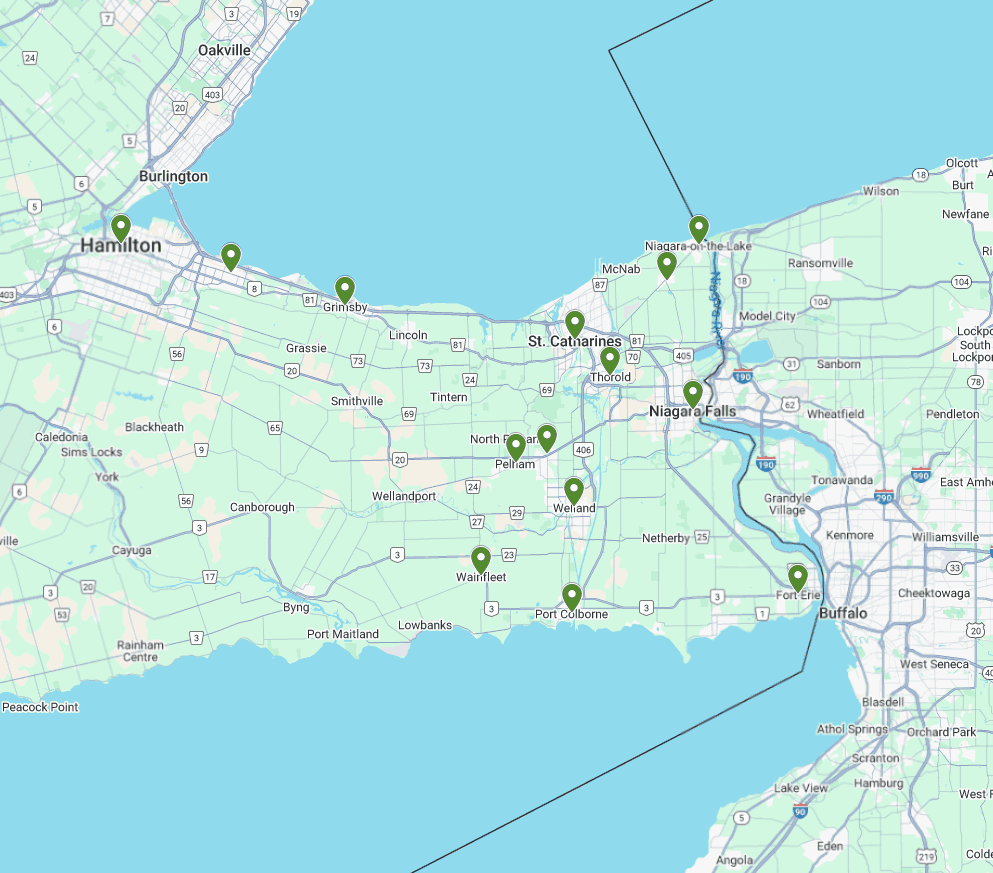
Our service areas encompass a wide range of locations, ensuring that we can meet the needs of our clients wherever they are. From bustling urban centers to serene rural landscapes, we are committed to providing top-notch services tailored to each unique environment.