



Emergency furnace repair services in Wainfleet, ON provide rapid, safety-first responses to heat loss during cold conditions. It describes what constitutes an emergency, common urgent furnace issues, diagnostic steps on arrival, and how technicians distinguish temporary fixes from permanent repairs. It also covers safety protocols, what customers should have ready, typical response and repair times, and post-emergency follow-up actions such as permanent repairs and routine maintenance to reduce future calls. This information helps residents act quickly and stay safe.
-min.jpeg)
furnace emergency-furnace-repair in Wainfleet, ON
An unexpected furnace failure in the middle of a Wainfleet winter is more than an inconvenience. It can put pipes at risk, create unsafe indoor conditions, and leave vulnerable family members exposed to cold. 24/7 emergency furnace repair in Wainfleet, ON is focused on restoring safe heat quickly while following strict safety protocols. This page explains what qualifies as an emergency, common urgent issues in Wainfleet homes, how emergency technicians diagnose and respond, the difference between temporary and permanent fixes, and what you should do and have ready when you contact emergency service.
Why emergency furnace repair matters in Wainfleet, ON
Wainfleet is a rural Niagara community with older housing stock, long winter nights, and occasional winter storms that can cause power interruptions. These local factors increase the likelihood that a loss of heating becomes urgent. Timely emergency response reduces the chance of frozen pipes, prevents prolonged exposure to cold, and addresses critical safety issues like carbon monoxide events.
Common furnace emergency issues in Wainfleet
- Complete loss of heat - furnace will not fire or blower does not run; often caused by power loss, failed control board, or gas supply interruption.
- Carbon monoxide alarm activation - CO present or suspected; considered an immediate life safety emergency.
- Pilot or ignition failure - standing pilot outage or electronic ignition that will not light. Can cause repeated lockouts.
- Frequent short cycling or shutdowns - safety devices tripping repeatedly, which can indicate heat exchanger issues or blocked vents.
- Strange smells or visible combustion byproducts - persistent gas smell or soot around the furnace.
- Frozen condensate or blocked venting - common in cold snaps and can force high-efficiency furnaces into shutdown.
- Electrical faults and blown fuses - wiring or control failures that prevent safe operation.
Rapid-response procedures emergency technicians follow
Emergency technicians follow a repeatable, safety-first process to get heat back on and protect occupants:
On-site diagnostics and what they reveal
- Control and safety checks - verifies that limit switches, flame sensors, pressure switches, and gas valves function correctly.
- Combustion analysis - checks for safe combustion and signs of incomplete burning that can produce carbon monoxide.
- Electrical diagnosis - identifies failed motors, capacitors, transformers, and wiring faults.
- Fuel and venting inspection - confirms gas supply, seals, and that flue or direct venting is not blocked or compromised.
Temporary fixes versus permanent repairs
- Temporary fixes are used when a quick, safe restoration of heat is possible and parts are not immediately available. Examples include: resetting safety switches, clearing minor blockages from vents, replacing a tripped fuse, or bypassing a failed fan relay for limited operation. Temporary measures are always documented and clearly labeled with recommended next steps.
- Permanent repairs replace or renew the failed component so the furnace returns to full, safe operation. Common permanent actions include replacing ignitors, control boards, heat exchangers, motors, or sealed venting sections. Permanent repairs are prioritized when safety is compromised or when temporary measures would be unreliable.
Technicians will always explain the risks and expected longevity of a temporary repair and recommend follow-up for permanent repair or replacement when needed.
Safety protocols for emergency calls
- If a carbon monoxide alarm is sounding or you smell gas, leave the building immediately and go to fresh air. Do not re-enter until the area has been declared safe by emergency responders or a qualified technician.
- Shut off gas only if you are trained and it is safe to do so; otherwise wait for the technician or gas utility.
- Keep children and pets away from the furnace area.
- Do not attempt complex repairs or bypass safety devices. Many safety interlocks exist to prevent hazardous operation and should not be defeated.
- After any emergency repair, request a written summary of safety checks performed and any recommendations for further action.
Typical response and repair times in Wainfleet
- Dispatch and travel: within the same municipality, typical arrival windows for urgent calls range from 30 to 90 minutes depending on time of day, weather, and road conditions. Rural routes outside core Wainfleet may take longer.
- Diagnosis: on-site diagnostics commonly take 30 to 60 minutes for straightforward cases; complex issues or intermittent faults can take longer.
- Repairs: minor repairs and temporary fixes can often be completed the same visit, in 30 to 90 minutes. Permanent repairs that require ordered parts may require scheduling a follow-up visit within 24 to 72 hours depending on part availability. Complete system replacement is typically scheduled after an assessment and cannot be completed as an immediate emergency fix.
What to have ready when contacting emergency service
- Furnace make, model, and age if known.
- Clear description of symptoms (no heat, CO alarm, smell of gas, unusual noises).
- Whether anyone in the home is at high risk from the cold.
- Any recent work or irregularities (power flicker, recent maintenance).
- Accessibility information such as locked gates, dogs on site, or limited driveway access in winter conditions.
After the emergency
Follow up with recommended permanent repairs, a post-repair safety inspection, and schedule regular maintenance to reduce the chance of future emergencies. In Wainfleet, taking steps like insulating exposed pipes, keeping vents clear of snow, and maintaining filters can reduce emergency calls during cold months.
This information is designed to help Wainfleet residents understand what to expect from 24/7 emergency furnace repair, prioritize safety, and make informed decisions during an urgent heating failure.

Customer Testimonials

I called John today at 2:pm as my AC was not working and I wasn’t expecting even a call back as I knew with this hot weather we have had he would be swamped with calls. Well he called me back and showed at 8:pm on the same day to fix my AC. That is just incredible service and how much John really cares about his clients. Thank you John !

Very efficient company. I needed an old solar water heater removed from my roof. They were quick to book an appointment for the next day after I sent photos. They were very knowledgeable of the issue. The 2 guys that came were friendly and competent with the job, including removal of all parts.
Lifesavers!! The AC in our house decided to quit the day we were passing the keys to the new owners!! Instead of making a service call to the house, John coached me through the minor repair over the phone, saving me the money and time waiting for a repair person to come.Much appreciated! Thanks again John
I had an issue with my hot water tank and called Niagara Home Heating. Their service was fantastic and reasonably priced—exactly how a business should be run!
I have used Niagara Home heating for multiple projects for over 16 years. John and his staff are absolutely the best. I tell all my friends and family about Niagara Home Heating because you won’t get any better service or pricing anywhere in Niagara. He has saved me thousands and thousands of dollars and has never let me down.
We had an amazing experience getting our new furnace installed with Niagara Home Heating. The owner was very helpful, their quote was more then competitive and the technician who installed the unit was professional and friendly. I would recommend their services.

Service Areas
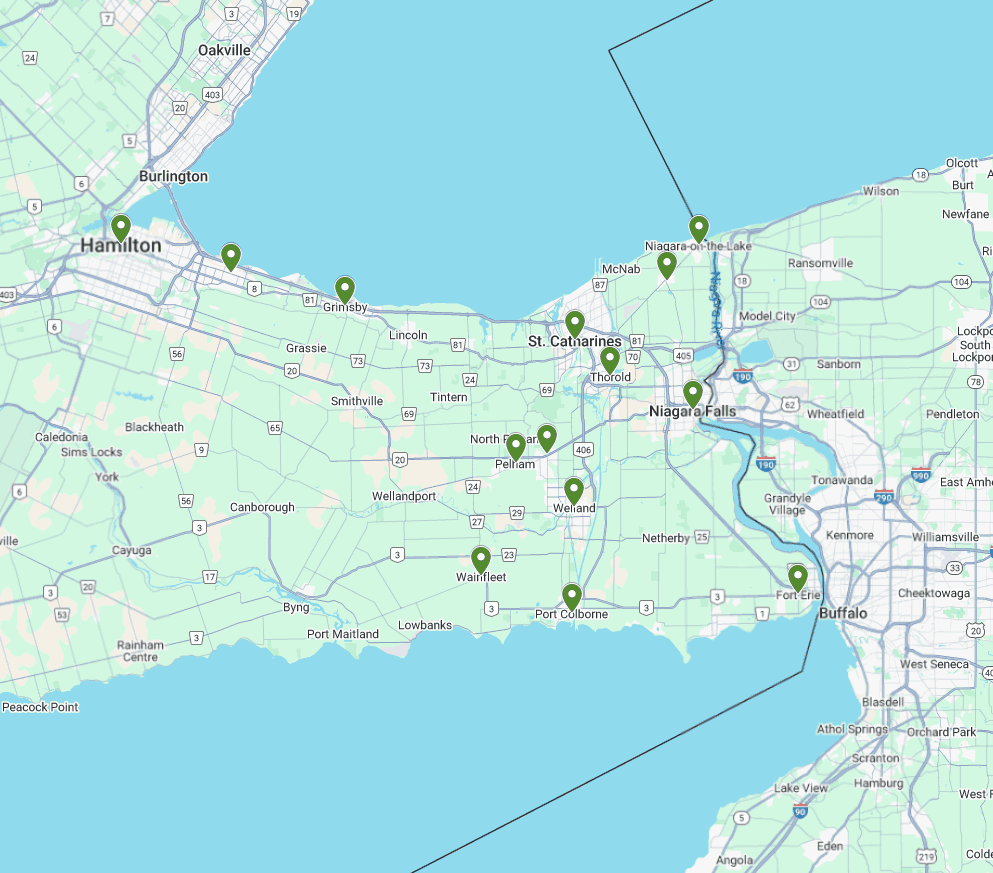
Our service areas encompass a wide range of locations, ensuring that we can meet the needs of our clients wherever they are. From bustling urban centers to serene rural landscapes, we are committed to providing top-notch services tailored to each unique environment.