



this service describes guides Wainfleet homeowners through heating replacement, covering signs you should replace, the assessment process, and selecting between high-efficiency furnaces and cold-climate heat pumps. It describes installation steps, typical timelines, permit requirements, and disposal practices, plus warranty and financing options. The content also evaluates potential energy savings, payback periods, and comfort improvements, emphasizing careful load calculations and local climate considerations. Readers gain a practical, complete understanding of whether replacement is warranted and how to secure reliable, cost-effective comfort.
.jpeg)
Heating Replacement in Wainfleet, ON
Replacing a heating system is one of the most important decisions for homeowners in Wainfleet, ON. With cold, snowy winters and occasional polar outbreaks in the Niagara region, a reliable, efficient heating system protects comfort and controls long-term energy costs. It describes when a replacement is necessary, how professionals assess your home, the pros and cons of high-efficiency furnaces versus cold-climate heat pumps, the installation process and timelines, permit and disposal practices, warranty and financing considerations, and realistic cost/benefit outcomes for Wainfleet properties.
When your heating system needs replacement
Look for these clear signs that a replacement is the right move rather than another repair:
- Age: Furnaces and boilers older than 15 to 20 years commonly justify replacement because efficiency and reliability decline.
- Rising energy bills despite similar usage patterns.
- Frequent breakdowns or expensive recurring repairs.
- Uneven heating or rooms that never reach set temperatures.
- Safety concerns such as cracked heat exchangers, persistent CO detector alerts, or repeated pilot/outage issues.
- Obsolete parts that are difficult or costly to source.In Wainfleet, where heavy snow and sustained cold increase run-times, these issues tend to surface sooner and make timely replacement more cost-effective.
Assessment and load-calculation process
A professional heating replacement starts with a thorough evaluation, not a size-by-guess approach:
- Home inspection: Review insulation levels, window quality, airtightness, existing ductwork or radiators, and the current mechanical room layout.
- Load calculation (Manual J): A detailed calculation using local Wainfleet climate data, square footage, building orientation, insulation, window area, and infiltration rates determines the precise heat demand. This prevents oversizing (short cycles and higher costs) and undersizing (insufficient comfort).
- Distribution assessment (Manual D & Sizing): Evaluate ductwork condition, sizing, and airflow. In older Niagara homes, duct leaks and inadequate return paths are common and influence equipment choice.
- Fuel and electrical review: Check natural gas supply, gas line sizing, electrical panel capacity, and whether a heat pump’s supplemental electrical load is supported.
Furnace vs Heat Pump: Which is right for Wainfleet homes?
Both options can be right depending on the house, budget, and energy goals.
Furnaces (high-efficiency gas)
- Pros: Excellent performance in extreme cold, predictable operating costs if natural gas is available, long service life when maintained. Modern condensing furnaces reach 95%+ AFUE, dramatically better than older units.
- Cons: Still reliant on fossil fuel, ongoing gas price volatility, and combustion safety requires professional maintenance.
Heat pumps (cold-climate air-source or ductless)
- Pros: Can reduce heating energy use by 30–50% compared with older electric or low-efficiency gas setups; provide both heating and cooling, and may qualify for provincial or federal incentives and financing. Cold-climate models perform well in Niagara winters when properly sized.
- Cons: Performance reduces at extreme low temps; may require a backup heat source or a dual-fuel arrangement with gas furnace. Installation can be more complex if ductwork is inadequate.
Decisions are driven by the Manual J results, fuel availability, and long-term goals like lowering carbon emissions or maximizing energy savings.
Professional installation steps and typical timelines
A clear, safe installation follows documented steps and quality checks:
- Pre-install planning: Final equipment selection, parts ordering, and permit checks. (A few days)
- Site prep: Protect floors, create access, and disconnect/remove the old unit. (Morning of install)
- Rough work: Install new cabinet, duct transitions, venting, gas piping or refrigerant lines, electrical connections, and condensate/drain lines. (Half to full day)
- Final connections and commissioning: Start-up procedures, refrigerant charging (for heat pumps), combustion and CO safety testing (for gas appliances), airflow balancing, and thermostat setup. (Remaining time on install day)
- Inspection and documentation: Municipal or licensed inspector sign-off where required, and handover of manuals/warranty paperwork.
Typical timelines:
- Simple furnace replacement: often completed in one day.
- Heat pump installation or full system change: commonly 1–3 days depending on ductwork upgrades or electrical work.
- Large retrofits or multi-zone heat pump systems: may take longer.
Permits, refrigerant handling and disposal practices
- Permits: Gas appliances, structural relocations, and certain electrical upgrades usually require municipal permits and inspections in the Niagara Region. Permit timelines vary; plan for a few days to a couple of weeks depending on workload and permit type.
- Refrigerant handling: Technicians must recover and reclaim refrigerant per federal and provincial regulations. Only certified technicians perform refrigerant recovery and recharge.
- Responsible disposal: Old furnaces, boilers, and heat pump components are recycled where possible—metals, plastics, and electronic controls—and hazardous materials (oil, asbestos-containing components) are handled per environmental rules.
Warranty and financing options
- Manufacturer warranties: Typically cover major components—heat exchangers, compressors—and range from limited 5-year to extended 10–20 year parts warranties depending on make and model.
- Labor warranties: Contractor labor warranties vary; look for clear written terms covering installation workmanship.
- Service and maintenance plans: Annual tune-ups extend equipment lifespan and maintain warranty compliance.
- Financing and incentives: Many homeowners use low-interest loans, payment plans, or energy-efficiency financing. Provincial and federal programs often offer rebates or loans for heat pumps and high-efficiency equipment—availability changes, so review current options when deciding.
Expected cost/benefit outcomes for Wainfleet homes
- Energy savings: Replacing a 15–25 year old furnace with a modern 95%+ AFUE unit can reduce fuel use noticeably. Switching to a cold-climate heat pump often delivers larger electrical energy savings and added summer cooling value, though savings depend on local fuel prices and system sizing.
- Payback period: Typical payback ranges from 3 to 10 years, depending on equipment cost, fuel cost differentials, incentives, and how well the home is insulated.
- Comfort and reliability: New equipment reduces service calls, improves temperature consistency, and can reduce indoor humidity-related issues that Wainfleet homes often experience in transition seasons.
Maintenance and maximizing your investment
- Schedule an annual tune-up before winter.
- Replace filters regularly and keep outdoor heat pump units clear of snow and debris.
- Seal and insulate ductwork and common leak areas to reduce load.
- Consider a programmable or smart thermostat for optimized schedules and reduced runtime.
A carefully scoped, professional replacement—rooted in accurate load calculations and attention to local Wainfleet conditions—delivers reliable comfort, safety, and measurable long-term savings.

Customer Testimonials

I have used Niagara Home heating for multiple projects for over 16 years. John and his staff are absolutely the best. I tell all my friends and family about Niagara Home Heating because you won’t get any better service or pricing anywhere in Niagara. He has saved me thousands and thousands of dollars and has never let me down.

Very efficient company. I needed an old solar water heater removed from my roof. They were quick to book an appointment for the next day after I sent photos. They were very knowledgeable of the issue. The 2 guys that came were friendly and competent with the job, including removal of all parts.
I had an issue with my hot water tank and called Niagara Home Heating. Their service was fantastic and reasonably priced—exactly how a business should be run!
We had an amazing experience getting our new furnace installed with Niagara Home Heating. The owner was very helpful, their quote was more then competitive and the technician who installed the unit was professional and friendly. I would recommend their services.
Lifesavers!! The AC in our house decided to quit the day we were passing the keys to the new owners!! Instead of making a service call to the house, John coached me through the minor repair over the phone, saving me the money and time waiting for a repair person to come.Much appreciated! Thanks again John
I called John today at 2:pm as my AC was not working and I wasn’t expecting even a call back as I knew with this hot weather we have had he would be swamped with calls. Well he called me back and showed at 8:pm on the same day to fix my AC. That is just incredible service and how much John really cares about his clients. Thank you John !

Service Areas
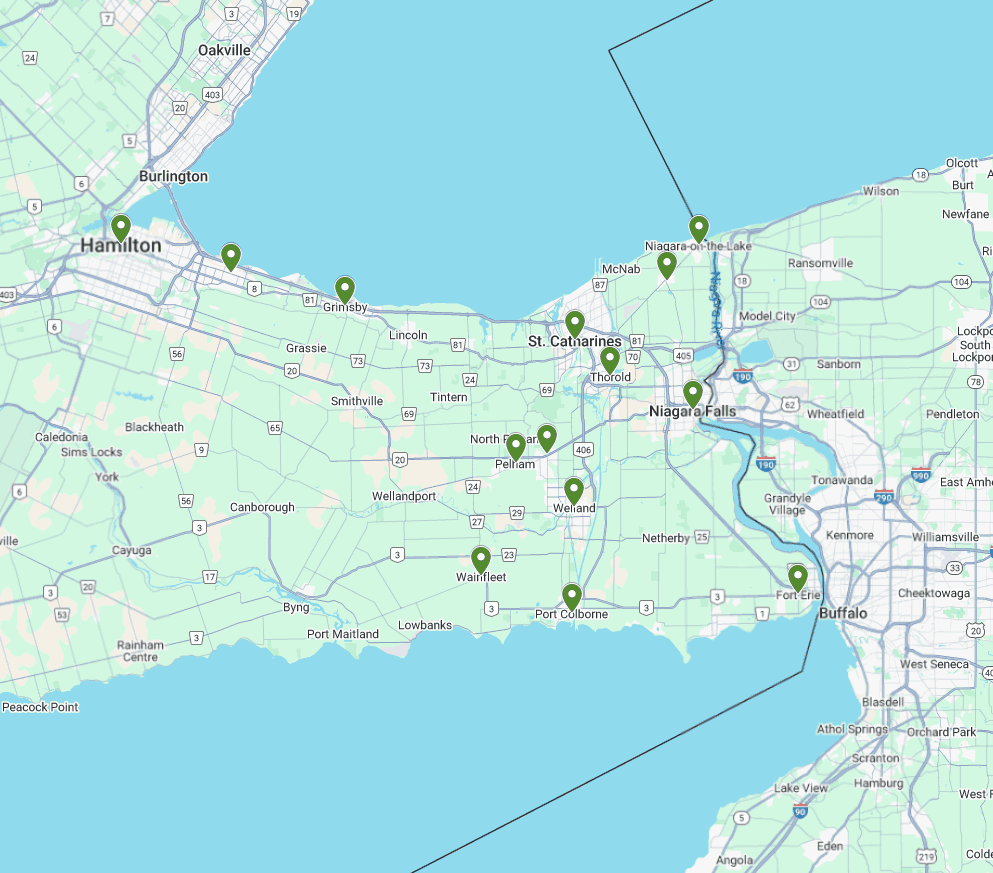
Our service areas encompass a wide range of locations, ensuring that we can meet the needs of our clients wherever they are. From bustling urban centers to serene rural landscapes, we are committed to providing top-notch services tailored to each unique environment.