



Furnace replacement in Wainfleet, ON delivers a comprehensive, end-to-end upgrade tailored to local winters. The process begins with a thorough home and system assessment, load calculations, and equipment selection for high-efficiency performance. Safe removal of the old unit precedes professional installation, venting adjustments, and fuel-type conversions as needed. Post-install testing and a homeowner walkthrough confirm comfort, safety, and energy savings, followed by warranty details and maintenance guidance to ensure long-term reliability. Proper sizing, quiet operation, and ongoing support are emphasized.
-min.jpeg)
Furnace Replacement in Wainfleet, ON
An aging or unreliable furnace affects comfort, safety, and monthly energy bills — especially in Wainfleet where long, cold winters and lake-effect conditions mean your heating system works hard for many months each year. This page explains the complete furnace replacement process for Wainfleet homes: how we assess your house and system, choose the right high-efficiency replacement, remove and dispose of the old unit safely, complete professional installation, and verify performance with post-installation testing and a homeowner walkthrough. The goal is to make the transition smooth, code-compliant, and optimized for energy savings and long-term reliability.
Common furnace issues and why replacement is often the best option
- Frequent breakdowns or increasing repair costs over recent seasons
- Uneven or insufficient heat, even after repairs and maintenance
- Yellow or cracked heat exchanger (safety concern) or persistent carbon monoxide trips
- Old single-stage furnaces with low AFUE (efficiency) during high heating demand months
- Incompatible or failing controls and outdated ducting that reduce system effectiveness
In Wainfleet, older farmhouses and rural properties often have legacy duct systems or long duct runs, making modern, properly sized equipment essential to restoring even heat and efficiency.
Types of replacement systems we evaluate
- High-efficiency natural gas condensing furnaces (95% AFUE and above) — common in much of the Niagara region
- Propane or oil-fired furnaces where natural gas is not available
- Modulating or two-stage gas furnaces for improved comfort and lower cycling losses
- Variable-speed blower systems with ECM motors for quieter operation and better airflow control
- Hybrid options or heat pump pairings for homes moving toward electrification
Selecting the right type depends on fuel availability in your neighbourhood of Wainfleet, your home’s construction, and your long-term energy goals.
Initial home and system assessment
- Complete walkthrough of the home including boiler or furnace room, ductwork, vents, and combustion air supply
- Visual inspection of the existing furnace, flue, and venting; safety checks for corrosion and combustion integrity
- Review of past service history and energy bills to understand seasonal loads and inefficiencies
- Photos and measurements to identify access limitations and scope of work
This assessment provides the data needed for accurate load calculations and a reliable equipment recommendation.
Load/sizing and equipment selection
- Conduct a Manual J heat load calculation to determine required heating capacity based on Wainfleet climate factors, insulation, windows, and occupancy patterns
- Use Manual S guidelines to match equipment capacity to the calculated load; avoid oversizing which causes short cycling and reduced efficiency
- Evaluate ductwork performance; recommend modifications or zoning if needed to achieve balanced airflow
Recommended brands and models are selected for long-term performance and local serviceability. Typical high-efficiency options include top performers from industry leaders: Carrier, Trane, Lennox, Goodman, Rheem, and Bryant — with condensing models and modulating burners available where appropriate.
Removal and disposal of the old unit
- Safe disconnection of fuel lines, electrical, and control wiring following code and manufacturer procedures
- Proper handling of the flue and vent materials to prevent indoor contamination
- Responsible disposal and recycling of the old unit’s metals and components per Ontario regulations; safe handling of any oil tanks or hazardous materials when present
Disposal includes documentation when required for local rebate or permitting processes.
Professional installation steps and timeline expectations
- Site preparation: protect floors, run containment and drop cloths, and prepare access paths for equipment removal and installation
- Install new furnace, adapt or replace venting and flue as required, convert fuel type if necessary, and integrate with existing or upgraded ductwork
- Connect controls and thermostat; set up any zoning or variable-speed blower programming
- Typical timeline: straightforward like-for-like replacements are often completed in one day; projects requiring ductwork upgrades, flue modifications, or basement access changes can extend to 2–3 days
All installations follow local code, manufacturer instructions, and best-practice safety procedures.
Warranties, financing, and rebate options
- Manufacturer limited warranties (commonly 10 years on heat exchanger for many models) plus parts warranties — confirm registration requirements for full coverage
- Labour warranties vary; industry-standard offerings protect against installation defects for a defined period
- Financing solutions: many homeowners use manufacturer or third-party financing programs to spread capital cost over time
- Rebates and incentives: Ontario and federal energy programs, manufacturer rebates, and local utility incentives can offset upgrade costs. Eligibility often depends on equipment efficiency, installation documentation, and energy assessments
Documenting work and registering warranties promptly is essential to secure all available protections and incentives.
Post-installation testing and homeowner walkthrough
- Safety checks: gas leak test, combustion analysis or draft test where applicable, and carbon monoxide checks to ensure safe operation
- Performance checks: verify burner operation, heat rise across the heat exchanger, airflow, and thermostat calibration; confirm system cycles as designed
- System documentation and walkthrough: explain routine maintenance, filter replacement, thermostat settings, and basic troubleshooting steps; provide warranty and product documentation
This final stage ensures your new furnace is safe, efficient, and that you understand how to maintain it.
Long-term benefits and maintenance advice for Wainfleet homes
- Lower monthly heating costs with high-efficiency equipment and correct sizing for local climate demands
- Improved comfort with better modulation and airflow control, particularly valuable during Wainfleet’s cold snaps and windy lake-effect conditions
- Longer equipment life when paired with an annual tune-up and routine filter changes
- Suggested maintenance: annual pre-winter inspection, change filters every 1–3 months depending on filters and household conditions, keep vents and returns clear, and test carbon monoxide alarms regularly
Replacing a furnace is a major home system upgrade. When it is done with careful assessment, correct sizing, quality equipment, and certified installation practices tailored to Wainfleet homes, it delivers dependable heat, better efficiency, and peace of mind through the coming winters.

Customer Testimonials

We had an amazing experience getting our new furnace installed with Niagara Home Heating. The owner was very helpful, their quote was more then competitive and the technician who installed the unit was professional and friendly. I would recommend their services.

I had an issue with my hot water tank and called Niagara Home Heating. Their service was fantastic and reasonably priced—exactly how a business should be run!
I called John today at 2:pm as my AC was not working and I wasn’t expecting even a call back as I knew with this hot weather we have had he would be swamped with calls. Well he called me back and showed at 8:pm on the same day to fix my AC. That is just incredible service and how much John really cares about his clients. Thank you John !
Lifesavers!! The AC in our house decided to quit the day we were passing the keys to the new owners!! Instead of making a service call to the house, John coached me through the minor repair over the phone, saving me the money and time waiting for a repair person to come.Much appreciated! Thanks again John
I have used Niagara Home heating for multiple projects for over 16 years. John and his staff are absolutely the best. I tell all my friends and family about Niagara Home Heating because you won’t get any better service or pricing anywhere in Niagara. He has saved me thousands and thousands of dollars and has never let me down.
Very efficient company. I needed an old solar water heater removed from my roof. They were quick to book an appointment for the next day after I sent photos. They were very knowledgeable of the issue. The 2 guys that came were friendly and competent with the job, including removal of all parts.

Service Areas
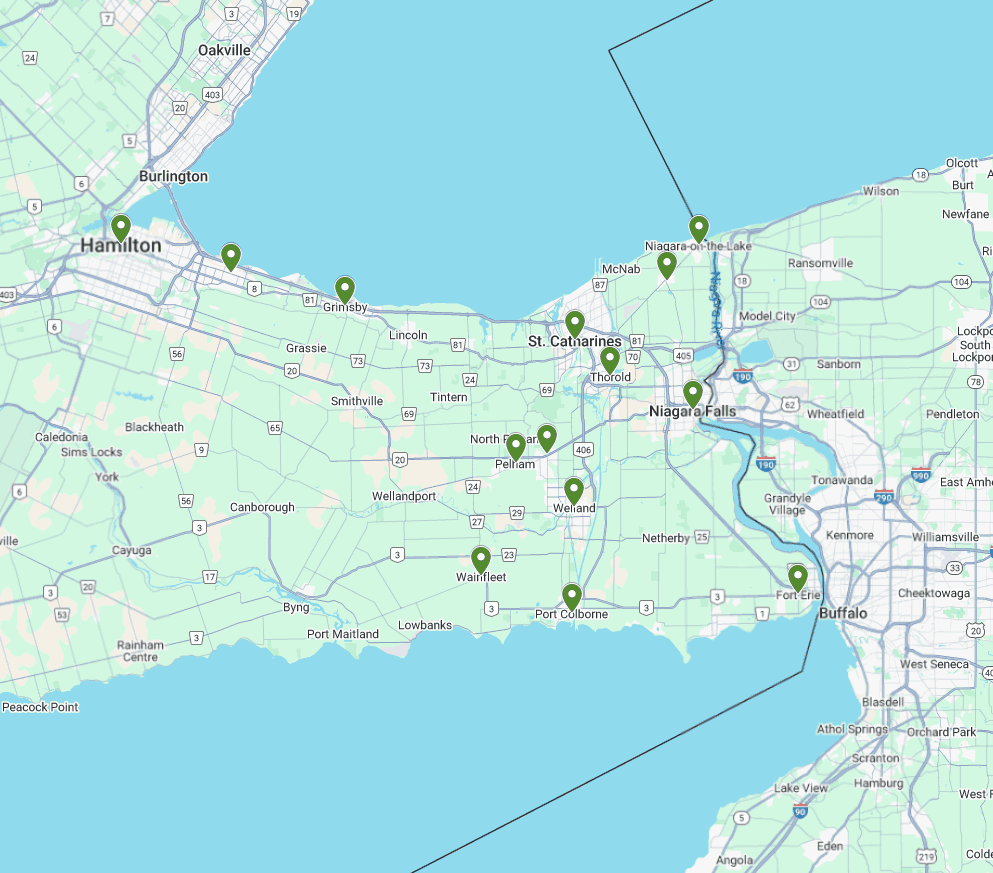
Our service areas encompass a wide range of locations, ensuring that we can meet the needs of our clients wherever they are. From bustling urban centers to serene rural landscapes, we are committed to providing top-notch services tailored to each unique environment.