



It describes the complete heating installation process for Wainfleet, ON, from pre-install assessment and unit sizing to ductwork considerations, professional installation, and post-install commissioning. It covers common system options such as gas furnaces, heat pumps, boilers, ductless minisplits, and hybrid setups, highlighting local climate factors and energy efficiency. Readers learn how proper load calculations, safe venting, and careful equipment selection translate into comfort, lower utility bills, reliable operation, and solid warranty and financing options.
-min.jpeg)
Heating installation in Wainfleet, ON
Upgrading or installing a new heating system is one of the most important investments for homes in Wainfleet, ON. With cold, damp winters and variable lake-effect conditions, the right system improves comfort, reduces energy bills, and protects indoor air quality. It describes the full heating installation process for Wainfleet homes: pre-install assessment, unit selection and sizing, ductwork and venting considerations, professional installation steps, post-install testing and commissioning, plus warranty and financing information to help you make a confident decision.
Common heating installation types in Wainfleet
- Gas furnace installation – High-efficiency, sealed combustion furnaces with proper venting are common for single-family homes. Look for high AFUE ratings for year-round savings.
- Heat pump installation – Modern cold-climate heat pumps perform well through Niagara winters and offer both heating and cooling with excellent efficiency.
- Boiler installation – For homes with radiators or in-floor hydronic systems, boilers provide even heat and are a good match for older or large rural properties.
- Ductless mini-split systems – Ideal for additions, cottages, or homes without ductwork; offer targeted heating and efficient zone control.
- Hybrid systems – A heat pump paired with a furnace gives redundancy and optimized efficiency across seasonal extremes common in the region.
Pre-installation site assessment
A thorough site assessment is the foundation of a successful heating installation in Wainfleet. Technicians evaluate:
- Home size, layout, insulation levels, and attic/basement conditions to determine load.
- Existing ductwork condition and static pressure measurements when ducts are present.
- Fuel type availability (natural gas, propane, or electric) and safe gas line routing.
- Venting paths, chimney condition, and combustion air access for gas appliances.
- Any local permitting requirements and municipal codes applicable in Wainfleet and the Niagara Region.
This assessment ensures the chosen system meets comfort needs and complies with safety and efficiency standards.
Unit selection and sizing
Correct sizing prevents short-cycling, excessive energy use, and uneven temperatures. In Wainfleet:
- Sizing is based on a Manual J heat loss calculation that factors in local climate conditions such as lake-effect wind and humidity.
- Efficiency ratings matter: AFUE for furnaces, HSPF and SEER for heat pumps, and thermal efficiency for boilers. Higher-rated equipment typically reduces operating costs and can be more durable in cold snaps.
- Consider future changes like home renovations or insulation upgrades. Slightly oversizing for rare extreme cold is not a substitute for proper load calculation.
Selecting the right brand and model also includes balancing warranty coverage, parts availability, and the long-term serviceability in rural or semi-rural areas.
Ductwork and venting considerations
Ductwork integrity and correct venting are critical for performance and safety:
- Inspect for leaks, poor insulation, undersized runs, and improper routing. Sealing and insulating ducts can reduce heat loss, a crucial factor in older Wainfleet homes.
- For high-efficiency furnaces, PVC venting or condensing drainage must be installed to handle exhaust condensate. Conventional furnaces may require chimney liners or approved vent connectors.
- Ensure combustion air intake is correctly sized and located to avoid negative pressure or back-drafting, particularly in tightly sealed homes.
When duct replacement or redesign is needed, options include modifying existing plenums, adding return paths, or recommending ductless or hybrid solutions where ducts are impractical.
Professional installation procedures
A professional installation follows a clear, code-compliant sequence:
- Obtain required permits and schedule any necessary inspections.
- Safely remove the old equipment, containing dust and debris to protect the home.
- Install new equipment on appropriate pads or platforms, connect gas, fuel, or electrical lines per code, and integrate with existing HVAC components.
- Install or modify ductwork, vents, condensate drains, and flue systems with proper clearances and supports.
- Implement controls and thermostats, including zoning or smart thermostats when specified.
Certified technicians use industry best practices for secure connections, pressure testing, and electrical compliance to ensure long-term reliability.
Post-install testing, commissioning, and homeowner orientation
Commissioning validates the installation:
- Perform startup procedures, test safety controls, and check gas pressures, airflows, and combustion efficiency where applicable.
- Conduct carbon monoxide and leak tests for gas systems. Verify thermostat operation and program user settings for seasonal efficiency.
- Provide a homeowner orientation covering system operation, filter replacement frequency, basic troubleshooting, and energy-saving tips tailored to Wainfleet conditions.
Proper commissioning maximizes efficiency immediately and reduces the likelihood of callbacks.
Warranty, financing, and incentives
Heating installations typically include a manufacturer warranty and a labour warranty covering workmanship for a defined period. For Wainfleet homeowners:
- Review the scope of both parts and labour warranties and maintain recommended service intervals to preserve coverage.
- Financing options and payment plans can make higher-efficiency systems more accessible; explore local financing and loan programs suitable for residential upgrades.
- Provincial and federal rebates or incentives for energy-efficient equipment and heat pumps may be available. Documenting professional installation by certified technicians is often required to qualify.
Understanding warranty terms and financing structure helps align upfront investment with anticipated energy savings.
Why professional, timely installation matters in Wainfleet
Professional installation tailored to local conditions prevents common issues such as inefficient cycling, moisture problems in basements or crawl spaces, and ventilation-related safety risks. A properly installed system:
- Improves comfort during prolonged cold snaps typical of the Niagara Region.
- Lowers energy bills through correct sizing and high-efficiency equipment.
- Preserves indoor air quality by reducing dust, drafts, and uneven humidity.
Maintenance tips after installation
- Replace or clean filters regularly and follow the manufacturer’s schedule for tune-ups.
- Keep combustion air intakes and vents clear, especially after snowstorms or during spring yard cleanup.
- Schedule annual inspections before winter to verify safe operation and efficient performance.
A professional installation matched with routine maintenance ensures the system performs reliably for years.
SummaryHeating installation in Wainfleet, ON requires careful assessment, correct sizing, and attention to ductwork and venting to meet local climate demands. Professional installation, thorough commissioning, and clear warranty and financing options provide long-term comfort, safety, and energy savings for Wainfleet homeowners.

Customer Testimonials

I have used Niagara Home heating for multiple projects for over 16 years. John and his staff are absolutely the best. I tell all my friends and family about Niagara Home Heating because you won’t get any better service or pricing anywhere in Niagara. He has saved me thousands and thousands of dollars and has never let me down.

I had an issue with my hot water tank and called Niagara Home Heating. Their service was fantastic and reasonably priced—exactly how a business should be run!
Lifesavers!! The AC in our house decided to quit the day we were passing the keys to the new owners!! Instead of making a service call to the house, John coached me through the minor repair over the phone, saving me the money and time waiting for a repair person to come.Much appreciated! Thanks again John
I called John today at 2:pm as my AC was not working and I wasn’t expecting even a call back as I knew with this hot weather we have had he would be swamped with calls. Well he called me back and showed at 8:pm on the same day to fix my AC. That is just incredible service and how much John really cares about his clients. Thank you John !
Very efficient company. I needed an old solar water heater removed from my roof. They were quick to book an appointment for the next day after I sent photos. They were very knowledgeable of the issue. The 2 guys that came were friendly and competent with the job, including removal of all parts.
We had an amazing experience getting our new furnace installed with Niagara Home Heating. The owner was very helpful, their quote was more then competitive and the technician who installed the unit was professional and friendly. I would recommend their services.

Service Areas
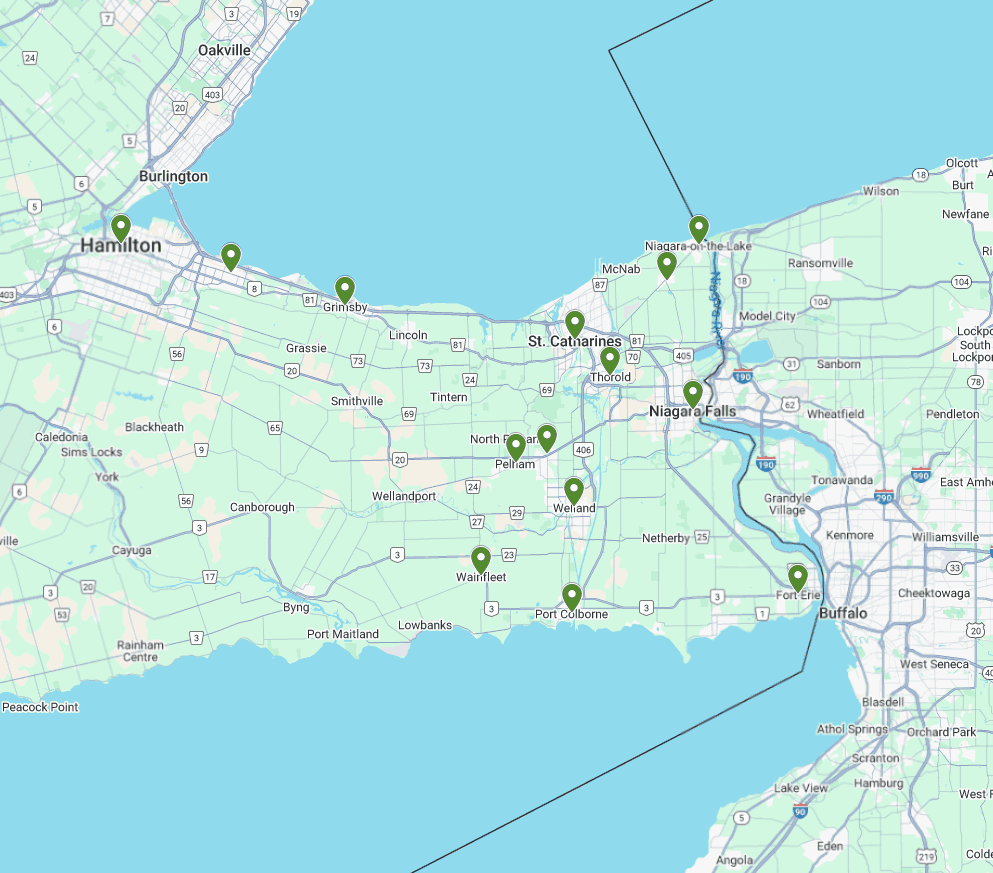
Our service areas encompass a wide range of locations, ensuring that we can meet the needs of our clients wherever they are. From bustling urban centers to serene rural landscapes, we are committed to providing top-notch services tailored to each unique environment.