



Furnace maintenance in Wainfleet, ON describes a comprehensive seasonal tune-up program designed to improve safety, reliability, and efficiency for local homes. The guide covers common local problems, recommended service frequency, and available maintenance plans—from basic inspections to two-tune-ups per year. It describes what technicians check during visits, from filters and venting to combustion and safety tests, and provides practical DIY tips between visits. Regular scheduling helps prevent sudden cold snaps, extend equipment life, and protect family comfort and safety.
furnace maintenance in Wainfleet, ON
Keeping your furnace tuned and ready is essential for Wainfleet homes, where long, cold winters and lake effect weather put extra demand on heating systems. Regular furnace maintenance reduces breakdown risk during peak season, improves efficiency, and helps protect your family from safety hazards like carbon monoxide. This page explains what a comprehensive furnace maintenance program looks like, common local issues, recommended service frequency, plan options, and what to expect during a seasonal tune-up — all tailored to Wainfleet, ON homeowners.
Why furnace maintenance matters in Wainfleet
Wainfleet’s rural setting and Niagara climate create specific stresses on HVAC equipment. Homes here often experience:
- Extended heating seasons with frequent on/off cycling.
- Higher levels of dust, pollen, and agricultural debris that clog filters and burners.
- Rodent and insect activity in outbuildings and crawlspaces that can damage wiring and insulation.
- Rapid temperature swings in shoulder seasons that reveal weak components.
Regular maintenance keeps your furnace running reliably through late autumn and winter, lowers energy use, preserves equipment life, and maintains safe operation.
Common furnace problems in Wainfleet homes
Homeowners in the area commonly encounter:
- Dirty or clogged filters leading to reduced airflow and overheating.
- Blocked intake or exhaust vents from snow, leaves, or animal nests.
- Pilot or ignition failures after long idle periods.
- Corroded components in older gas or oil furnaces.
- Unbalanced ductwork causing cold rooms or noisy operation.
- Faulty safety devices like limit switches or flame sensors.
Catching these issues during scheduled maintenance prevents emergency repairs and unexpected cold spells.
What a comprehensive seasonal tune-up includes
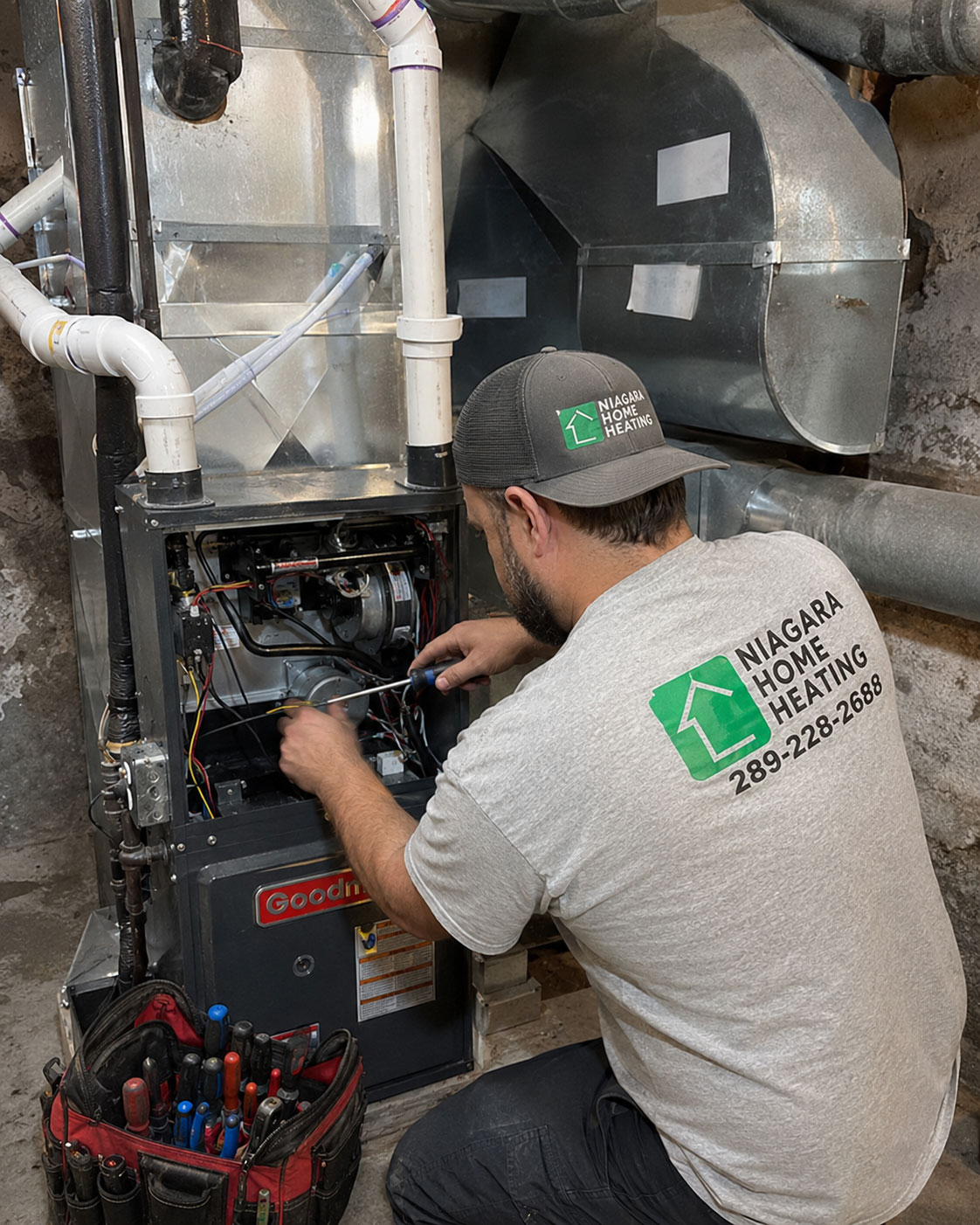
A professional furnace tune-up focuses on safety, reliability, and efficiency. Typical tasks performed during a seasonal visit:
- Visual inspection of the furnace cabinet, venting, and surrounding area for corrosion, leaks, or obstruction.
- Replace or clean air filters and inspect return-air grilles and filter housings.
- Clean burners, combustion chamber, and heat exchanger to restore proper combustion.
- Inspect and test ignition system, pilot assembly, or electronic ignition components.
- Check and adjust gas pressure or fuel delivery for optimal performance (for natural gas, propane, and oil systems).
- Lubricate motors, fans, and moving parts where applicable.
- Test and tighten electrical connections and control wiring.
- Verify thermostat operation and calibration.
- Inspect and seal accessible ductwork connections for leaks or gaps.
- Measure flue and vent draft; inspect venting for blockage or corrosion.
- Test carbon monoxide levels and confirm safety system operation.
- Test system run performance and observe cycling behavior to identify short cycling or delayed starts.
- Provide a written report with findings, recommended repairs, and efficiency notes.
Technicians tailor the checklist based on furnace type: gas, propane, oil, electric, or hybrid heating systems.
Diagnostic process: how we find root causes
A thorough diagnostics approach avoids repeat visits:
This method ensures repairs target the root cause instead of temporary fixes.
Recommended maintenance frequency
- Annual professional tune-up in early fall is the minimum for most Wainfleet homes to prepare for winter loads.
- Homes with older furnaces, heavy dust exposure, or oil-fired systems may benefit from two inspections per year: fall and mid-winter.
- Homes with pets, smokers, or recent renovations that generated dust should inspect filters and return grilles more frequently.
Consistent seasonal care reduces the likelihood of sudden failures during cold snaps.
Maintenance plan options (feature-focused)
Maintenance plans are structured to match needs and budgets without compromising safety. Typical plan tiers include:
- Basic Plan
- Annual inspection and safety check
- Filter reminder schedule (filter replacement not included)
- Basic system cleaning and visual inspection
- Standard Plan
- Annual tune-up and safety inspection
- Filter replacement at each visit (standard filter)
- Priority scheduling within standard business hours
- Written maintenance summary and efficiency notes
- Premium Plan
- Two comprehensive tune-ups per year (fall and mid-winter)
- Premium filter replacements and humidity/IAQ checks
- Priority scheduling including extended-hours availability
- Discount on recommended repairs and parts
- Extended documentation for warranty support
Each plan is designed to reduce energy bills, improve reliability, and protect system warranties. Plan features can be customized to suit older homes, multiple heating systems, or properties with special indoor air quality needs.
Benefits of keeping your furnace maintained
- Increased reliability: fewer mid-winter breakdowns when heat matters most.
- Lower energy costs: clean, calibrated equipment uses less fuel.
- Longer equipment life: preventive maintenance delays costly replacements.
- Improved comfort: consistent temperatures and quieter operation.
- Safety assurance: reduced risk of carbon monoxide leaks and fire hazards.
- Documentation: service records help with warranty claims and resale value.
DIY care between professional visits
Simple tasks homeowners can perform to support a maintenance plan:
- Replace disposable filters every 1 to 3 months depending on use and dust levels.
- Keep intake and exhaust vents clear of snow, leaves, and debris.
- Check the furnace area for signs of pests, soot, or water.
- Ensure the thermostat batteries are fresh and programmed for efficient schedules.
- Seal obvious duct and register gaps where accessible.
Closing notes on local considerations
For Wainfleet residents, proactive furnace maintenance is especially valuable due to local climate demands and rural environmental factors. Seasonal tune-ups, combined with a maintenance plan that fits your home and usage patterns, protect comfort and reduce unexpected costs. Regular service also supports indoor air quality for families in agricultural areas where dust and pollen can be persistent.
If you plan routine service, schedule inspections before the heating season and choose a plan that matches your home’s age, fuel type, and exposure to dust or pests for the best long-term results.

Customer Testimonials

I called John today at 2:pm as my AC was not working and I wasn’t expecting even a call back as I knew with this hot weather we have had he would be swamped with calls. Well he called me back and showed at 8:pm on the same day to fix my AC. That is just incredible service and how much John really cares about his clients. Thank you John !

I had an issue with my hot water tank and called Niagara Home Heating. Their service was fantastic and reasonably priced—exactly how a business should be run!
Lifesavers!! The AC in our house decided to quit the day we were passing the keys to the new owners!! Instead of making a service call to the house, John coached me through the minor repair over the phone, saving me the money and time waiting for a repair person to come.Much appreciated! Thanks again John
Very efficient company. I needed an old solar water heater removed from my roof. They were quick to book an appointment for the next day after I sent photos. They were very knowledgeable of the issue. The 2 guys that came were friendly and competent with the job, including removal of all parts.
I have used Niagara Home heating for multiple projects for over 16 years. John and his staff are absolutely the best. I tell all my friends and family about Niagara Home Heating because you won’t get any better service or pricing anywhere in Niagara. He has saved me thousands and thousands of dollars and has never let me down.
We had an amazing experience getting our new furnace installed with Niagara Home Heating. The owner was very helpful, their quote was more then competitive and the technician who installed the unit was professional and friendly. I would recommend their services.

Service Areas
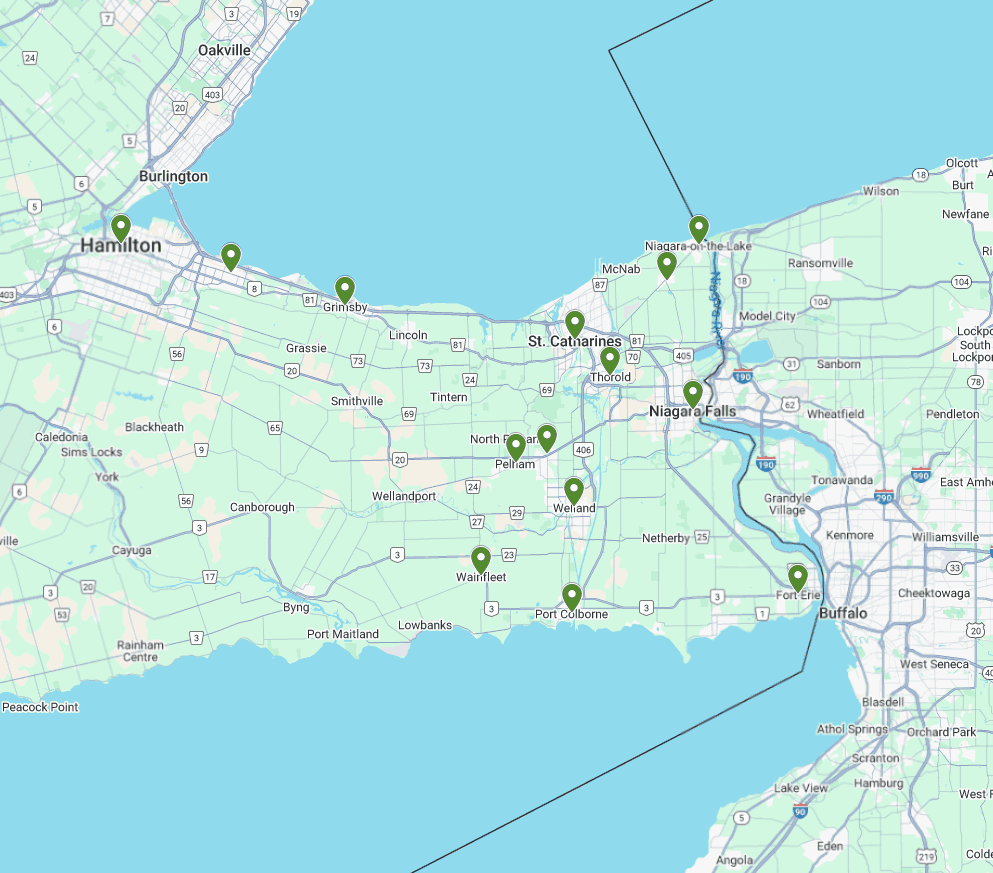
Our service areas encompass a wide range of locations, ensuring that we can meet the needs of our clients wherever they are. From bustling urban centers to serene rural landscapes, we are committed to providing top-notch services tailored to each unique environment.