



It describes comprehensive furnace repair services for homes in Wainfleet, ON, from routine maintenance to complex diagnostics. It describes common failure modes, diagnostic steps, parts replacement policies, and transparent cost practices, including diagnostics fees and written estimates. Readers will learn what to expect during a service visit, how technicians identify issues, and the typical workflow from inspection to repair and safety checks. Preventive tips help reduce breakdowns, improve efficiency, and extend furnace life in Niagara Region winters.
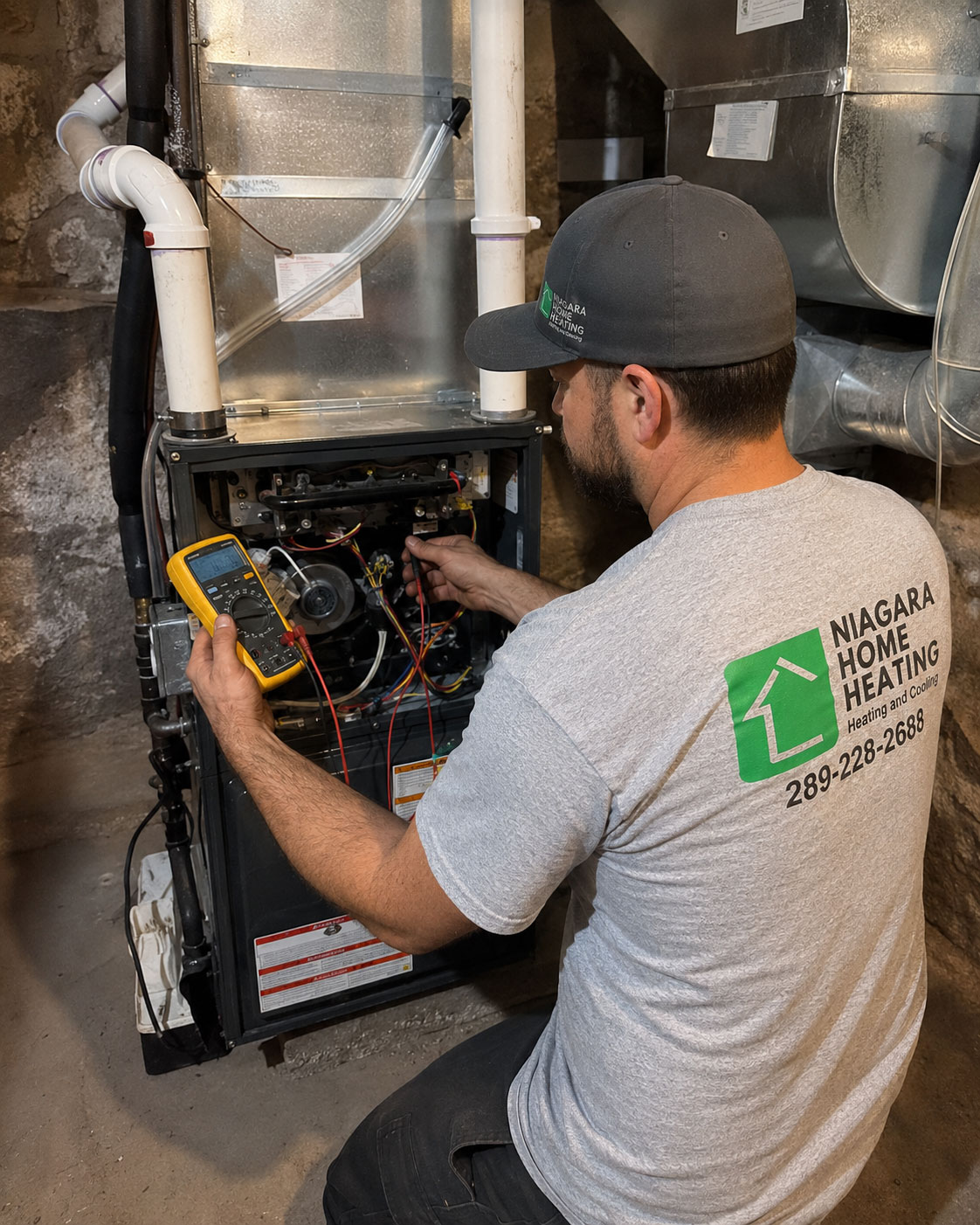
Furnace repair in Wainfleet, ON
A reliable furnace is essential for homes in Wainfleet, ON where cold winters, lake-effect conditions, and older housing stock can put extra stress on heating systems. This page explains routine and complex furnace repair services you can expect in Wainfleet, common component failures, how technicians diagnose problems, parts replacement policies, cost and estimate practices, a typical service visit workflow, and practical tips to reduce future breakdowns. The goal is to help you make an informed decision when your furnace needs attention.
Why timely furnace repair matters in Wainfleet, ON
- Winters in the Niagara Region can bring extended cold spells and humidity swings that increase furnace run time and wear.
- Rural and older homes in Wainfleet may have legacy ductwork, marginal combustion air, or aging equipment that require more frequent attention.
- Addressing issues early prevents complete system failure, reduces safety risks like carbon monoxide leaks, and helps avoid higher energy bills from inefficient operation.
Common furnace repair issues in Wainfleet
- Furnace will not start or intermittent ignition failures.
- Short cycling (furnace turns on and off rapidly).
- Weak or no heat output despite blower operation.
- Unusual noises: rattling, humming, or squealing.
- Frequent pilot outages or electronic ignition failures.
- High energy bills due to reduced efficiency.
- Carbon monoxide alarms triggered or flue/venting issues.
These symptoms often point to failing components below or to maintenance-related problems such as dirty filters, blocked vents, or improper thermostat settings.
Typical component failures explained
- Burners and ignition systems: Corrosion, soot buildup, or faulty ignitors/pilot assemblies prevent consistent combustion. Burners may need cleaning, adjustment, or replacement.
- Heat exchanger cracks: A cracked heat exchanger is a safety concern that can allow combustion gases to mix with indoor air. It often requires component replacement or furnace replacement depending on age and repair cost.
- Blower motor and fan issues: Worn bearings, broken belts, or failed motors reduce airflow, create noise, and can cause overheating. Motors may be repaired or replaced.
- Thermostats and control boards: Faulty thermostats, limit switches, or control boards disrupt communication and cycling. Reprogramming, recalibration, or replacement is common.
- Pressure switches and safety devices: These keep combustion safe. Faulty switches cause lockouts that stop the furnace from running until corrected.
- Fuel supply problems: For oil or propane systems, issues with filters, lines, or tanks can interrupt fuel flow. For natural gas systems, valve or regulator problems are possible.
Diagnostic steps technicians follow
Technicians often carry common parts (filters, ignitors, belts, capacitors) to complete many repairs on the spot. More complex parts may require ordering.
Parts replacement policies and warranties
- Reputable local providers serving Wainfleet typically use OEM or equivalent quality replacement parts to maintain performance and safety.
- Repairs often come with a parts and labor warranty. Specific warranty terms vary, so expect clear documentation of what is covered and for how long.
- Where replacement is recommended, technicians will explain the options: repair the failed component, replace with an upgraded part, or recommend full system replacement if repair is not cost effective or safe.
Cost and estimate practices
- Repair costs depend on the furnace type (gas, oil, propane, or electric), age of the unit, parts required, and access complexity.
- Common cost drivers: major components like heat exchangers and control boards, required permits for gas work, and emergency or after-hours service.
- Many providers perform a diagnostic assessment and provide a written estimate. Diagnostic fees may apply and in many cases are credited toward the repair if you proceed. Expect transparency about fees and the choice between repair versus replacement based on age and estimated remaining life of the furnace.
What to expect during a service visit
Emergency repairs and after-hours service
Furnace failure in sub-zero weather can create dangerous conditions. Many local services in the Niagara Region provide emergency or 24/7 repair responses for safety-related issues such as no heat, fuel leaks, or CO detector activation. Emergency response may carry a priority fee; expect technicians to prioritize safety checks first.
Preventive tips to reduce future breakdowns
- Change or clean air filters every 1 to 3 months during heating season to preserve airflow and blower health.
- Schedule annual pre-season maintenance: tune-up, burner cleaning, combustion analysis, and safety inspection. This catches small problems before they become emergencies.
- Keep vents and returns clear of furniture and debris to prevent short cycling.
- Ensure exterior combustion air vents and flue terminals are free from snow, nests, or corrosion—Wainfleet’s beachfront and rural areas can experience wildlife and salt-related corrosion.
- Install and test carbon monoxide detectors on every level and near sleeping areas. Replace batteries regularly.
- For older systems, document repair frequency and major repair costs. At a certain point replacing an inefficient, failure-prone furnace can be more economical than repeated repairs.
Final considerations for homeowners in Wainfleet
Furnace repair in Wainfleet, ON requires attention to local weather demands, home construction types, and fuel sources. A thorough diagnostic, transparent estimate, and a clear parts and warranty policy are key when evaluating repair options. Regular maintenance tuned to Niagara Region conditions significantly reduces emergency repairs and extends the useful life of your furnace while keeping your home safe and comfortable.

Customer Testimonials

I had an issue with my hot water tank and called Niagara Home Heating. Their service was fantastic and reasonably priced—exactly how a business should be run!

I called John today at 2:pm as my AC was not working and I wasn’t expecting even a call back as I knew with this hot weather we have had he would be swamped with calls. Well he called me back and showed at 8:pm on the same day to fix my AC. That is just incredible service and how much John really cares about his clients. Thank you John !
Lifesavers!! The AC in our house decided to quit the day we were passing the keys to the new owners!! Instead of making a service call to the house, John coached me through the minor repair over the phone, saving me the money and time waiting for a repair person to come.Much appreciated! Thanks again John
Very efficient company. I needed an old solar water heater removed from my roof. They were quick to book an appointment for the next day after I sent photos. They were very knowledgeable of the issue. The 2 guys that came were friendly and competent with the job, including removal of all parts.
We had an amazing experience getting our new furnace installed with Niagara Home Heating. The owner was very helpful, their quote was more then competitive and the technician who installed the unit was professional and friendly. I would recommend their services.
I have used Niagara Home heating for multiple projects for over 16 years. John and his staff are absolutely the best. I tell all my friends and family about Niagara Home Heating because you won’t get any better service or pricing anywhere in Niagara. He has saved me thousands and thousands of dollars and has never let me down.

Service Areas
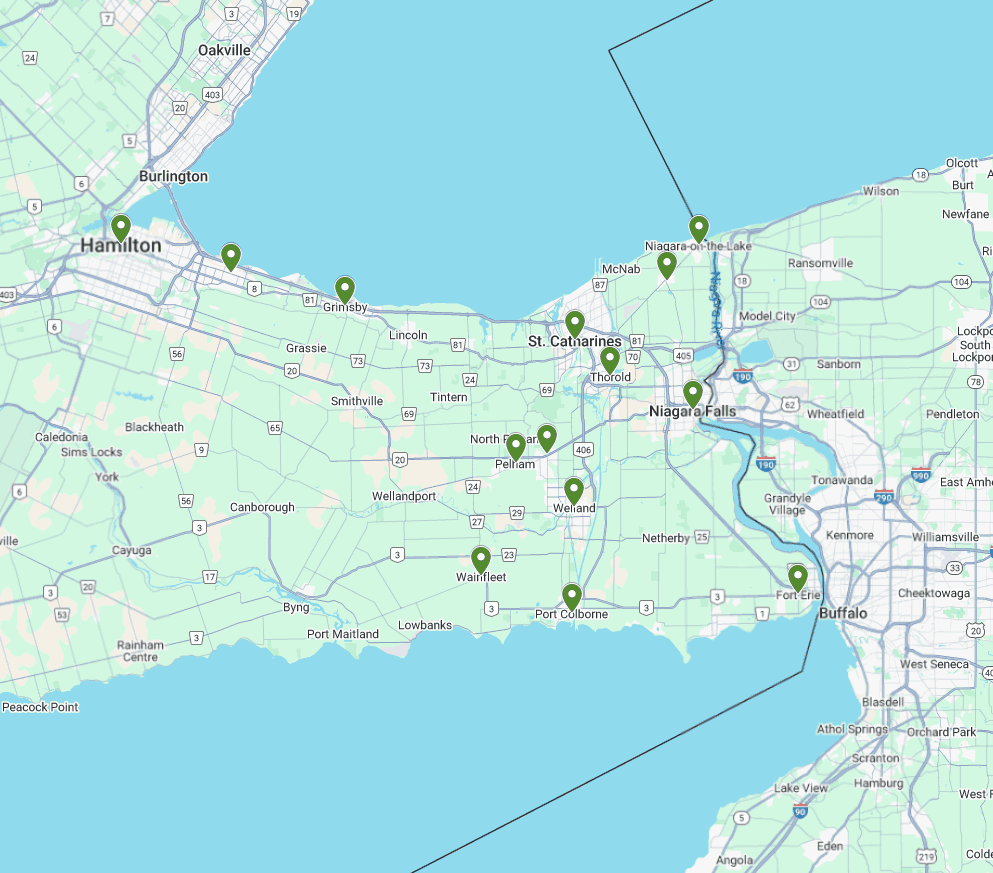
Our service areas encompass a wide range of locations, ensuring that we can meet the needs of our clients wherever they are. From bustling urban centers to serene rural landscapes, we are committed to providing top-notch services tailored to each unique environment.