



This guide describes professional tankless water heater installation in Stoney Creek, ON, from initial site evaluation and accurate sizing to venting, gas and electrical requirements, and commissioning. It covers selection between indoor, outdoor, electric, and point-of-use units, and describes how proper sizing prevents temperature fluctuations and ensures efficient energy use. The process timelines, site protection, and safety checks are described, along with commissioning, performance testing, maintenance scheduling, and warranty considerations to help homeowners choose and maintain the right system.

Tankless Water Heater Installation in Stoney Creek, ON
Switching to a tankless water heater is a common decision for Stoney Creek homeowners looking to save space, cut energy use, and get endless hot water for showers, laundry and dishwashing. how professional tankless water heater installation in Stoney Creek, ON is planned and executed: from initial site evaluation and accurate sizing to venting, gas and electrical requirements, step‑by‑step installation timelines, commissioning and maintenance recommendations. Information is presented to help homeowners make a confident, informed choice at the decision stage.
Why choose a tankless water heater in Stoney Creek
- Space savings: Ideal for older Stoney Creek homes or basements with limited room, tankless units mount on walls and free up floor space.
- Energy efficiency: On‑demand heating eliminates standby heat loss from tanks, helping reduce energy bills—particularly valuable in Ontario’s cold months when hot water demand rises.
- Continuous hot water: Families with multiple bathrooms benefit from near‑continuous hot water when correctly sized and installed.
- Longer service life: Properly installed tankless units often last longer than tank systems when maintained on schedule.
Common tankless water heater issues in Stoney Creek homes
- Undersized systems causing temperature drops during high simultaneous demand.
- Inadequate venting leading to combustion or performance problems.
- Insufficient gas line sizing for natural gas units or weak electrical supply for electric models.
- Mineral buildup and scaling from local water hardness affecting heat exchanger efficiency.
- Freeze risk for outdoor or poorly insulated installations during harsh winter weather.
Understanding these common issues helps prioritize accurate evaluation and correct installation methods the first time.
Types of tankless installations we cover
- Indoor natural gas or propane wall‑mounted units (condensing and non‑condensing)
- Electric on‑demand units for homes without a gas service
- Outdoor weatherproof units where venting or space is restricted
- Point‑of‑use tankless units for single fixturesEach option has tradeoffs in venting, fuel supply, efficiency and upfront cost. Selection should be driven by household hot water profile and the home’s utility infrastructure.
Initial site evaluation and sizing calculations
A professional installation begins with a detailed site visit and load calculation:
- Assess existing fuel type (natural gas, propane, or electric) and gas meter capacity.
- Map hot water fixtures (showers, tubs, dishwasher, laundry) and estimate peak simultaneous flow in litres per minute (L/min).
- Calculate required temperature rise based on incoming groundwater temperature in the Niagara Region and desired hot water setpoint.
- Determine unit capacity needs and recommend single large unit vs multiple units or point‑of‑use supplements.Accurate sizing prevents common problems like temperature fluctuations or insufficient flow.
Venting, gas and electrical requirements
- Venting: Condensing units require PVC or stainless steel venting and proper termination locations; non‑condensing units need approved metal venting. Vent runs must meet code for length, slope and termination clearances, especially for installations near eaves, windows or neighboring properties.
- Gas: Natural gas/propane units often require upgraded gas piping (larger diameter or new runs) to meet BTU demand; a gas capacity check at the meter is standard.
- Electrical: Electric models or units with electronic controls need dedicated circuits and proper breaker sizing. Grounding, GFCI protection and wire gauge are confirmed to code.Local code compliance and safety clearances are verified during the evaluation to avoid rework and ensure reliable operation.
Step‑by‑step installation process and typical timeline
Jobsite protection and cleanup standards
Professional installations include:
- Floor protection, dust control and shoe coverings.
- Careful handling of existing finishes and cabinetry.
- Removal and responsible disposal of old equipment and packaging.
- Final clean sweep of the work area and debris check before leaving.These steps protect your home and respect your living space throughout the project.
Commissioning and performance testing
After installation, the unit is commissioned with industry checks:
- Leak and pressure tests on water and gas lines.
- Vent integrity and draft/combustion performance checks for gas models.
- Flow and temperature verification across typical demand scenarios.
- User orientation on controls, error codes and simple maintenance.Correct commissioning ensures optimal performance and validates warranty conditions.
Recommended maintenance schedule and warranty coverage
- Annual service for gas units: inspect burners, venting, pressure relief, and perform combustion testing.
- Descaling or flushing every 6–12 months in hard water areas; frequency depends on local water hardness and manufacturer guidance.
- Replace inlet water filters and check anode (if present) as recommended by the manufacturer.Most manufacturers provide limited warranties on heat exchangers and parts; installation warranties vary by installer but typically cover workmanship. Keep documentation of commissioning and annual services to maintain warranty eligibility.
Available models, rebates and financing
A variety of high‑efficiency tankless models are suitable for Stoney Creek homes, including condensing natural gas units for the best efficiency and electric units where gas is unavailable. Many manufacturers offer extended part warranties or service packages. Homeowners should also explore available provincial or federal energy rebates, utility incentives, and financing plans that can offset upfront cost and improve payback timelines. Eligibility often depends on model efficiency and professional installation.
Final considerations for Stoney Creek homeowners
Properly planned and installed tankless water heater systems deliver reliable hot water, save energy and free up space—benefits that resonate in Stoney Creek where older homes, cold winters and variable household demands are common. The key to long‑term satisfaction is accurate sizing, code‑compliant venting and gas/electrical work, routine maintenance to address local water conditions, and thorough commissioning. With those elements in place, a tankless system provides consistent performance and long service life.

Customer Testimonials

I had an issue with my hot water tank and called Niagara Home Heating. Their service was fantastic and reasonably priced—exactly how a business should be run!

Very efficient company. I needed an old solar water heater removed from my roof. They were quick to book an appointment for the next day after I sent photos. They were very knowledgeable of the issue. The 2 guys that came were friendly and competent with the job, including removal of all parts.
I called John today at 2:pm as my AC was not working and I wasn’t expecting even a call back as I knew with this hot weather we have had he would be swamped with calls. Well he called me back and showed at 8:pm on the same day to fix my AC. That is just incredible service and how much John really cares about his clients. Thank you John !
We had an amazing experience getting our new furnace installed with Niagara Home Heating. The owner was very helpful, their quote was more then competitive and the technician who installed the unit was professional and friendly. I would recommend their services.
Lifesavers!! The AC in our house decided to quit the day we were passing the keys to the new owners!! Instead of making a service call to the house, John coached me through the minor repair over the phone, saving me the money and time waiting for a repair person to come.Much appreciated! Thanks again John
I have used Niagara Home heating for multiple projects for over 16 years. John and his staff are absolutely the best. I tell all my friends and family about Niagara Home Heating because you won’t get any better service or pricing anywhere in Niagara. He has saved me thousands and thousands of dollars and has never let me down.

Service Areas
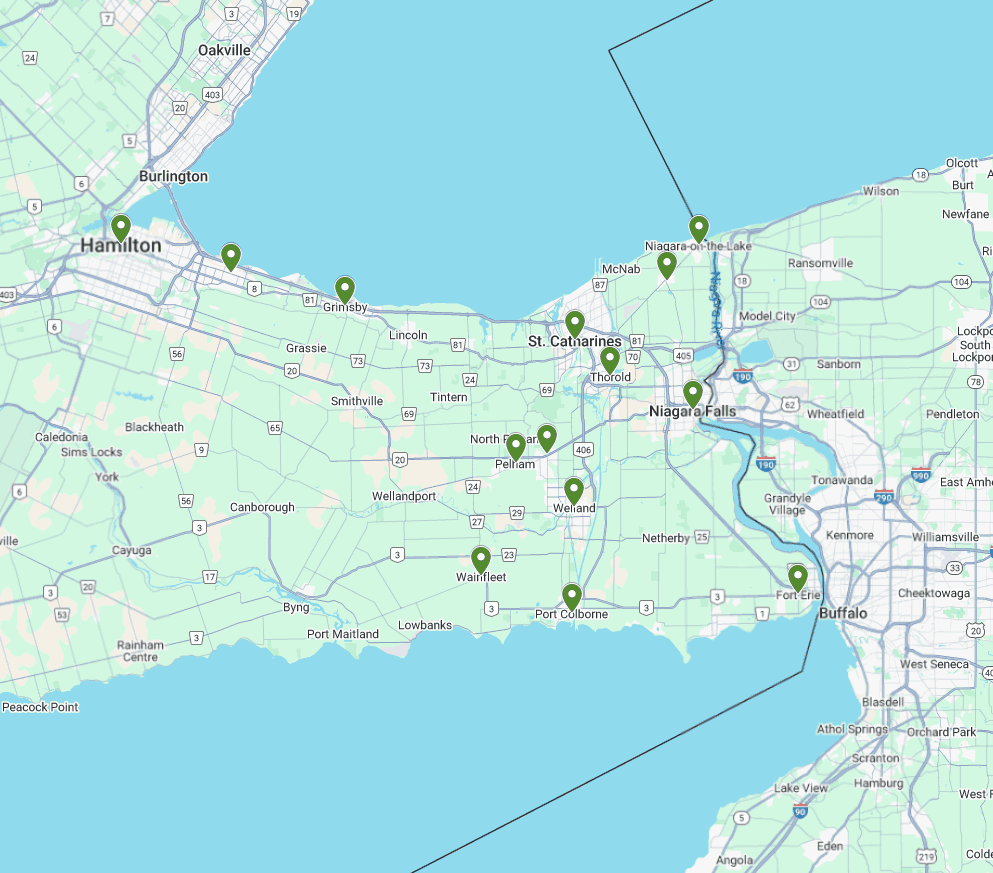
Our service areas encompass a wide range of locations, ensuring that we can meet the needs of our clients wherever they are. From bustling urban centers to serene rural landscapes, we are committed to providing top-notch services tailored to each unique environment.