



It describess homeowners in Stoney Creek, ON through tankless water heater replacement, explaining when replacement is advisable, common scenarios, and the assessment process. It covers sizing and model selection, removal and disposal, safety compliance, and installation steps with post-installation testing. Readers learn how upgraded, energy-efficient units reduce standby losses and improve reliability, along with warranties, financing options, maintenance tips, and expected timelines for a typical replacement. The content emphasizes code compliance, professional installation, and guidance for choosing between gas, electric, or dual-fuel setups.
Tankless Water Heater Replacement in Stoney Creek, ON
Upgrading to a new tankless water heater or replacing an aging unit is a decision Stoney Creek homeowners increasingly face. With cold Niagara winters, older homes, and variable water hardness in the Lake Ontario corridor, a failing or undersized tankless system can mean inconsistent hot water, higher operating costs, and unexpected service calls. when replacement is the right choice, how a professional replacement is handled in Stoney Creek, ON, and what to expect from a correctly sized, code-compliant installation.
Why replace a tankless water heater now
- Persistent lack of hot water for multiple fixtures during peak demand.
- Repeated breakdowns or expensive repairs as the unit approaches end of life (many tankless units last 10 to 15 years).
- Reduced efficiency and higher energy bills compared with current models.
- Major component failure, corrosion, or manufacturer discontinuation of replacement parts.
- Safety concerns such as gas leaks, failed ignition systems, or venting problems that cannot be reliably corrected.
In Stoney Creek, cold incoming water temperatures increase the required temperature rise, which means older or undersized units struggle during winter. Hard water and mineral scaling from the Niagara region can also reduce heat exchanger performance and lead to early failure.
Common tankless water heater replacement scenarios in Stoney Creek
- Single-family home upgrading an undersized unit to support multiple bathrooms and a high-efficiency demand.
- Older tankless units with recurring heat exchanger scaling or rusted components.
- Switching fuel type (electric to natural gas or vice versa) where fuel availability, utility rates, or home renovations warrant a change.
- Replacing a unit after a major component failure where repair costs approach replacement price.
- Renovation or addition where increased hot water demand requires a larger capacity or a multi-unit solution.
Assessment and diagnosis process
A professional replacement begins with a thorough assessment to confirm replacement is necessary and to determine the right new system:
Sizing and model selection guidance
Proper sizing is essential to avoid cold showers and inefficiency. Sizing is based on:
- Peak simultaneous flow in L/min (typical single shower 8-12 L/min; whole-house typically 12-20 L/min depending on fixtures).
- Temperature rise: difference between incoming groundwater temperature (colder in winter around the Great Lakes) and desired output (often 40 to 45 C for showers).
- Fuel type options: natural gas, propane, or electric models have different performance and installation needs.
For Stoney Creek homes, installers commonly recommend models with higher winter temperature-rise capability or multi-unit configurations for larger homes. Energy-efficient condensing gas models are often recommended where venting and condensate drainage can be accommodated.
Removal, disposal and safety compliance
Replacement includes safe removal and responsible disposal of the old unit. Key steps handled by professionals:
- Safe shutoff of gas, electricity, and water to the unit.
- Proper disconnection of vents, condensate lines, and plumbing.
- Removal and transport of the old heater to recycling or disposal facilities per Ontario regulations.
- Cleaning and prepping the installation area.
All work should meet the Ontario Building Code, local municipal bylaws in Stoney Creek and the City of Hamilton, and manufacturer installation instructions. For gas-fired systems, combustion and ventilation clearances are verified and any required permits obtained before work begins.
Installation steps and post-installation testing
A professional replacement process typically includes:
- Upgrading or verifying gas line or electrical service capacity.
- Installing appropriate venting or power-vent systems and condensate drainage for condensing units.
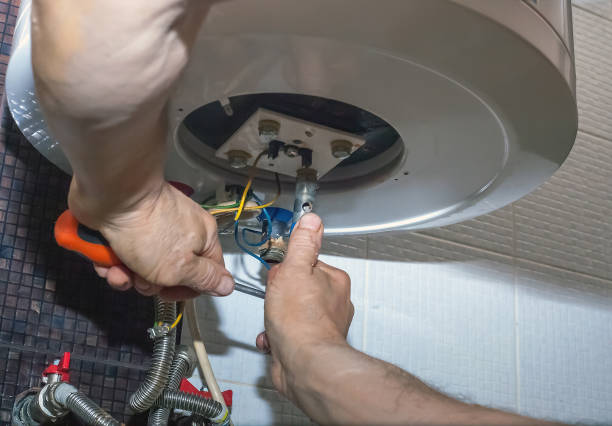
- Mounting and plumbing the new unit, including pressure relief and isolation valves.
- Commissioning: verifying ignition, combustion efficiency (for gas), water flow rates, temperature rise, and leak testing.
- Final safety checks: CO testing for gas units, electrical safety verification for electric units.
- Customer orientation on operation, maintenance intervals, and basic troubleshooting.
Most replacements can be completed in a single day for a straight swap; more complex fuel changes, venting upgrades, or multi-unit installs may require additional time.
Comparative cost and energy-savings considerations
While initial equipment and installation costs for tankless systems can be higher than tank-type heaters, modern high-efficiency tankless units can lower water heating energy consumption by a meaningful margin depending on usage patterns. In many homes, savings come from:
- Eliminating standby heat loss from storage tanks.
- On-demand heating that only operates when water is used.
- Longer equipment life when properly maintained.
Savings vary by fuel type, household hot water habits, and local utility rates. Pairing a new tankless unit with scale control and a properly sized system helps protect efficiency and extend lifespan.
Warranties, financing and long-term value
Reputable manufacturers offer warranties on heat exchangers and parts; warranty terms differ by model and installation type. A factory warranty plus a professional installation warranty provides two layers of protection. Financing options are often available to spread the cost of replacement and any necessary gas or electrical upgrades.
Replacing an unreliable unit delivers immediate benefits: consistent hot water, improved efficiency, reduced emergency repairs, and increased home value—particularly attractive in Stoney Creek where cold winters and higher hot water demand make reliable performance essential.
Maintenance tips for long life
- Flush and descale the system annually or per manufacturer recommendations, especially with hard water.
- Install a water softener or scale inhibitor if hard water tests high.
- Keep air intake and venting clear and visually inspect for corrosion or leaks.
- Schedule professional tune-ups to check combustion, burner condition, and controls.
A properly selected and installed tankless water heater matched to your household needs provides dependable hot water and better long-term operating costs. Professionals familiar with Stoney Creek conditions can ensure the replacement is sized, installed, and commissioned to meet local code and seasonal demands.

Customer Testimonials

I have used Niagara Home heating for multiple projects for over 16 years. John and his staff are absolutely the best. I tell all my friends and family about Niagara Home Heating because you won’t get any better service or pricing anywhere in Niagara. He has saved me thousands and thousands of dollars and has never let me down.

Lifesavers!! The AC in our house decided to quit the day we were passing the keys to the new owners!! Instead of making a service call to the house, John coached me through the minor repair over the phone, saving me the money and time waiting for a repair person to come.Much appreciated! Thanks again John
Very efficient company. I needed an old solar water heater removed from my roof. They were quick to book an appointment for the next day after I sent photos. They were very knowledgeable of the issue. The 2 guys that came were friendly and competent with the job, including removal of all parts.
We had an amazing experience getting our new furnace installed with Niagara Home Heating. The owner was very helpful, their quote was more then competitive and the technician who installed the unit was professional and friendly. I would recommend their services.
I called John today at 2:pm as my AC was not working and I wasn’t expecting even a call back as I knew with this hot weather we have had he would be swamped with calls. Well he called me back and showed at 8:pm on the same day to fix my AC. That is just incredible service and how much John really cares about his clients. Thank you John !
I had an issue with my hot water tank and called Niagara Home Heating. Their service was fantastic and reasonably priced—exactly how a business should be run!

Service Areas
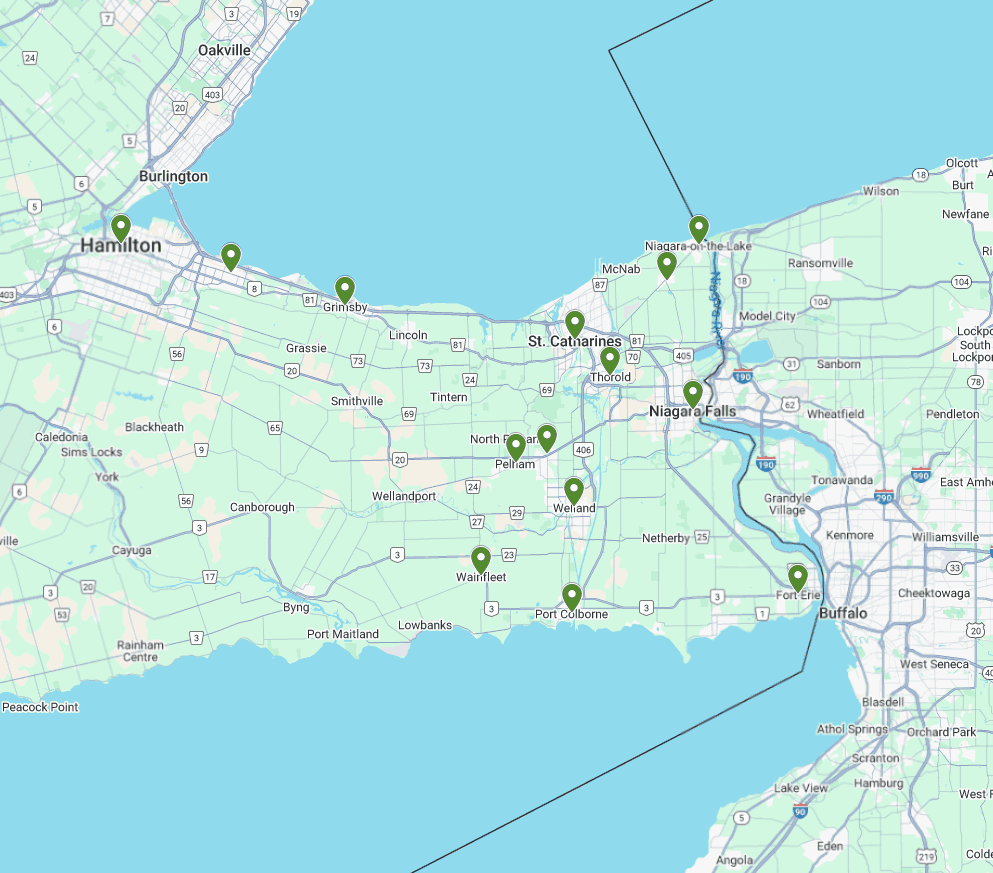
Our service areas encompass a wide range of locations, ensuring that we can meet the needs of our clients wherever they are. From bustling urban centers to serene rural landscapes, we are committed to providing top-notch services tailored to each unique environment.