



This service page describes professional tankless water heater repair in Stoney Creek, ON, detailing common failure modes such as no hot water, temperature fluctuations, ignition issues, and leaks, plus on-site diagnosis and precise component replacement. It describes a typical repair workflow—from safety shutdown to testing and commissioning—and describes expected timelines, including same-day fixes for in-stock parts and longer schedules for heat exchanger replacements. The guide emphasizes preventative maintenance, accurate diagnostics, and careful record-keeping to extend equipment life and prevent costly outages.
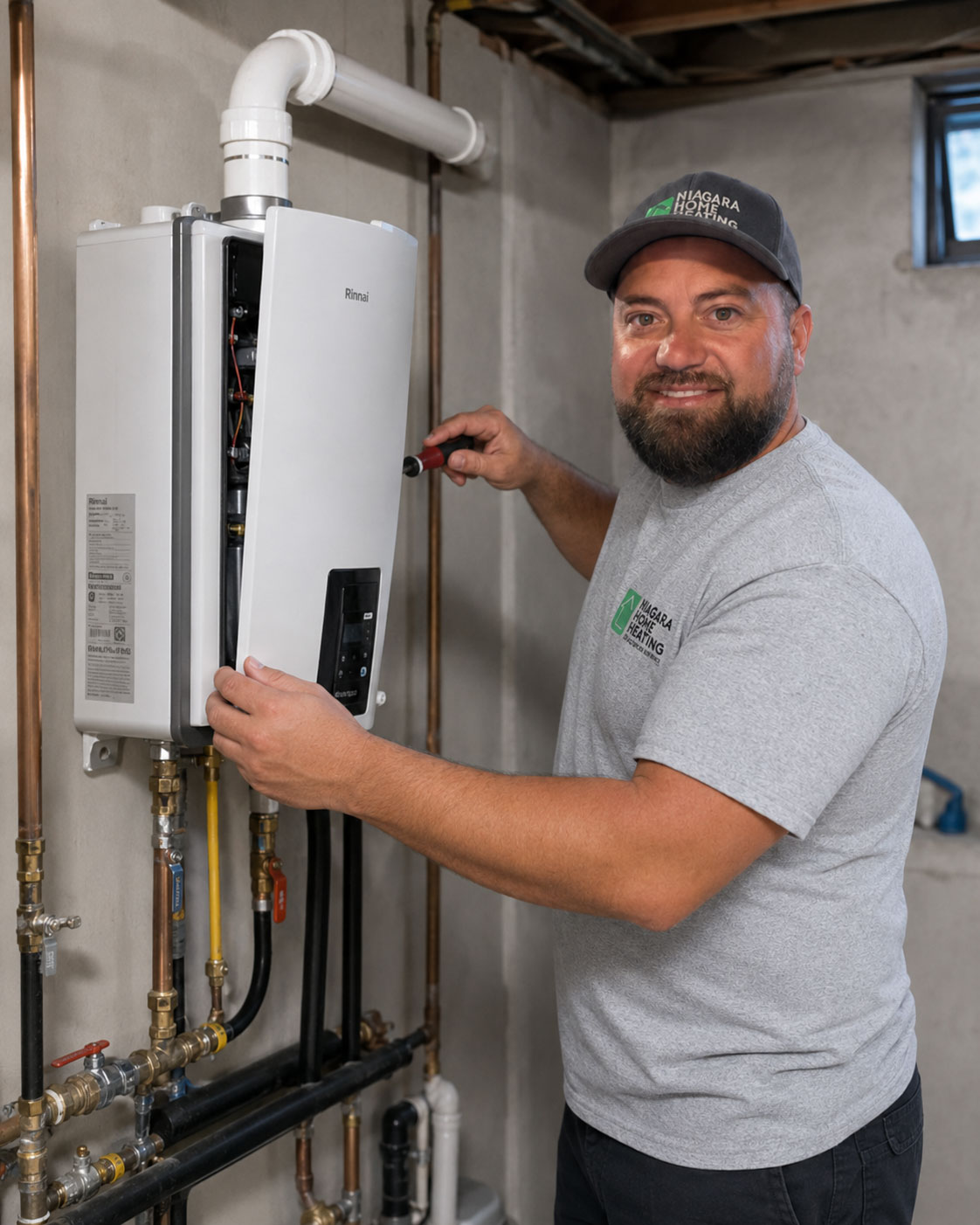
Tankless Water Heater Repair in Stoney Creek, ON
Tankless water heaters deliver on-demand hot water and energy savings, but when they fail the impact is immediate: no hot showers, interrupted appliances, and potential water or gas hazards. In Stoney Creek homes, where cold winters and local water hardness increase wear on tankless systems, fast, accurate diagnostics and repairs are essential to restore comfort and protect equipment life.
Common tankless water heater problems in Stoney Creek
- No hot water: Often caused by ignition failure, gas supply interruption, blocked burners, or failed electronic controls. In cold months, frozen condensate drains or pilot systems may also prevent operation.
- Temperature fluctuations: Inconsistent output can be due to flow sensor faults, scale build-up on the heat exchanger, or incorrect temperature settings and recirculation problems.
- Ignition or flame issues: Dirty burners, a faulty gas valve, or blocked venting can stop ignition. Outdoor or poorly vented units are vulnerable during heavy snow or high winds.
- Reduced flow or low water pressure: Clogged inlet filters, mineral scale inside the exchanger, or problems in household plumbing reduce flow and trigger safety shutdowns.
- Leaks and water damage: Leaks can originate at fittings, heat exchanger cracks, or failed pressure relief valves. Freeze damage to exterior piping is a seasonal risk in Stoney Creek.
- Error codes and intermittent lockouts: Modern units display codes that point to sensors, pump failures, or combustion problems; repeated lockouts often indicate a root issue that needs professional diagnosis.
On-site inspection and diagnostic testing
A thorough on-site inspection identifies whether a simple adjustment or a component replacement is required. Typical diagnostic steps include:
- Visual check for leaks, corrosion, freeze damage, and proper vent termination.
- Reading and interpreting error codes from the unit’s control panel.
- Verifying gas supply pressure and electrical connections (for models with electronic ignition).
- Testing flow sensors and water pressure to reproduce temperature or flow complaints.
- Inspecting and testing the burner, ignition module, and flame pattern for complete combustion.
- Checking condensate drains, flue/venting integrity, and exhaust clearance (especially important in cold weather).
- Assessing scale accumulation inside the heat exchanger and inlet filter condition.These tests help isolate the failed component and determine whether repair or replacement of parts is appropriate.
Typical repair steps and parts replacement
Repairs follow a logical path from diagnosis to resolution:
- Ignition module or electrode
- Gas valve or pressure regulator
- Flow sensor or water pressure switch
- Heat exchanger (when cracked or irreparably scaled)
- Control board or temperature sensor
- Condensate trap or drain components
- Inlet/outlet fittings and pressure relief valves
Many repairs are completed the same day if the necessary parts are available. In cases where a full heat exchanger replacement is required or parts must be ordered, repairs can take longer. Local parts availability and the unit’s make/model influence timelines.
Expected timeframes
- Diagnostics and minor repairs (cleaning, filter replacement, small parts): typically 1 to 3 hours on site.
- Component replacements (ignition module, flow sensor, gas valve): often completed same day when parts are in stock.
- Major repairs (heat exchanger replacement, extensive plumbing/venting modifications): can require multiple visits or a day to several days depending on parts lead time and access.Technicians commonly provide an on-site assessment and a clear estimate of how long repairs will take before proceeding.
Warranty and parts information
Most manufacturers provide limited warranties on heat exchangers and other major components; warranty coverage depends on age, model, and installation history. Aftermarket parts may carry separate warranties from suppliers. When a heat exchanger or control board is replaced, technicians typically document part numbers and warranty terms. For Stoney Creek homeowners, preserving maintenance records and installation receipts helps support warranty claims.
Preventative maintenance to avoid future breakdowns
Regular maintenance extends service life and reduces emergency repairs. Recommended practices for Stoney Creek properties include:
- Annual or biannual descaling/flush: hard water in the Niagara and Hamilton area accelerates scale inside heat exchangers. A professional flush removes mineral build-up.
- Clean inlet screens and filters every 6 to 12 months to prevent flow sensor faults.
- Inspect venting and condensate drains before winter to reduce freeze and blockage risks.
- Install a water softener or scale inhibitor if local water tests indicate high hardness; this significantly reduces heat exchanger wear.
- Check outdoor piping insulation and freeze protection to prevent burst lines during cold snaps.
- Keep combustion air and vent terminations unobstructed by snow, debris, or landscaping.
Emergency procedures and scheduling instructions
If you suspect a dangerous condition—smell gas, see active leaks, or encounter electrical sparking—leave the area immediately and contact emergency services. For non-urgent but immediate failures (no hot water, sudden leaks), follow these steps before contacting a technician:
- Turn off the gas supply to the unit if you are trained to do so and smell gas; otherwise evacuate.
- Switch off the electrical supply at the breaker if the unit has a wiring fault or repeated lockouts.
- Shut off the cold water supply feeding the unit if you detect active leaking to limit water damage.
- Note the unit’s brand, model number, and any displayed error codes; photograph them if possible.
- Record symptoms (when problem began, weather conditions, recent maintenance, and whether other appliances are affected).When arranging emergency repair, have the address, access instructions, unit information, and symptom summary ready. This accelerates diagnostics and helps technicians bring appropriate parts and tools.
Final notes: why timely repair matters in Stoney Creek
Prompt tankless water heater repair prevents secondary damage to plumbing, avoids frozen pipe incidents in winter, and restores efficient operation that keeps energy costs down. Given local water hardness and seasonal temperature swings in Stoney Creek, proactive maintenance and fast response to malfunctions protect your investment and reduce the risk of costly replacements down the road. Regular service, correct diagnosis, and quality parts are the most reliable ways to keep your on-demand hot water system performing as designed.

Customer Testimonials

I called John today at 2:pm as my AC was not working and I wasn’t expecting even a call back as I knew with this hot weather we have had he would be swamped with calls. Well he called me back and showed at 8:pm on the same day to fix my AC. That is just incredible service and how much John really cares about his clients. Thank you John !

We had an amazing experience getting our new furnace installed with Niagara Home Heating. The owner was very helpful, their quote was more then competitive and the technician who installed the unit was professional and friendly. I would recommend their services.
Very efficient company. I needed an old solar water heater removed from my roof. They were quick to book an appointment for the next day after I sent photos. They were very knowledgeable of the issue. The 2 guys that came were friendly and competent with the job, including removal of all parts.
I have used Niagara Home heating for multiple projects for over 16 years. John and his staff are absolutely the best. I tell all my friends and family about Niagara Home Heating because you won’t get any better service or pricing anywhere in Niagara. He has saved me thousands and thousands of dollars and has never let me down.
Lifesavers!! The AC in our house decided to quit the day we were passing the keys to the new owners!! Instead of making a service call to the house, John coached me through the minor repair over the phone, saving me the money and time waiting for a repair person to come.Much appreciated! Thanks again John
I had an issue with my hot water tank and called Niagara Home Heating. Their service was fantastic and reasonably priced—exactly how a business should be run!

Service Areas
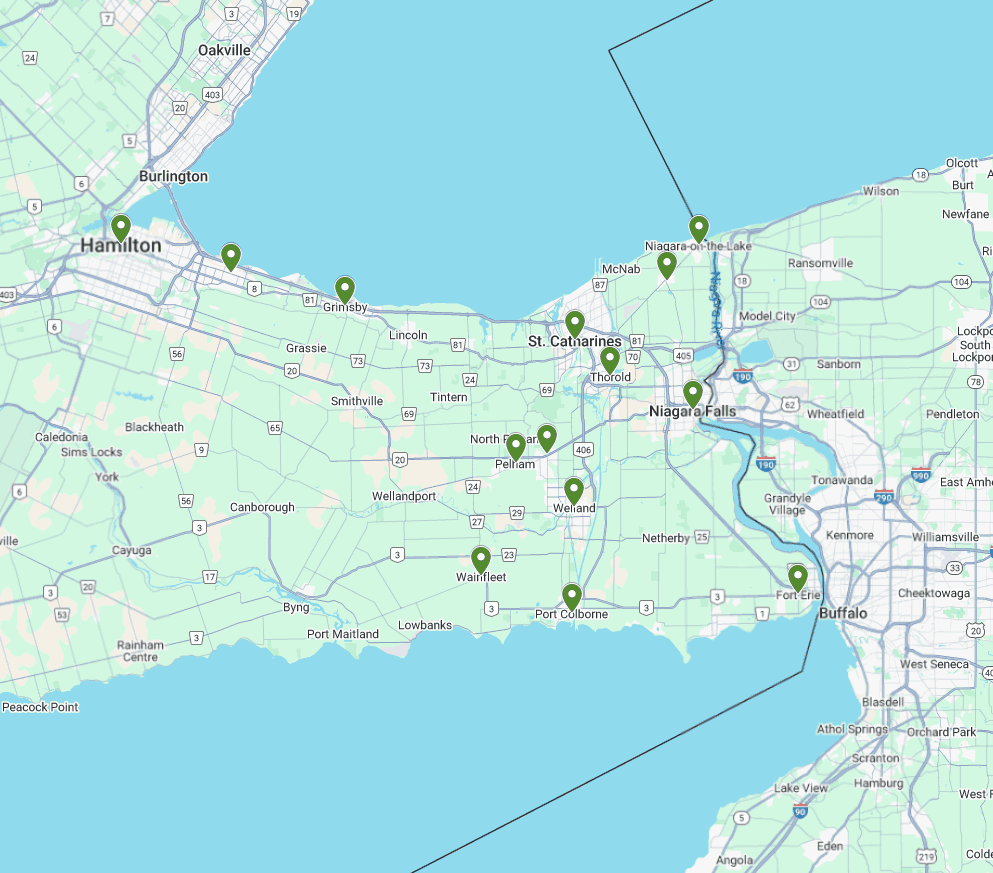
Our service areas encompass a wide range of locations, ensuring that we can meet the needs of our clients wherever they are. From bustling urban centers to serene rural landscapes, we are committed to providing top-notch services tailored to each unique environment.