



Water heater installation in Stoney Creek, ON describes a comprehensive service from site assessment and permitting to safe venting, electrical, and gas hookups. Techs verify fuel type and capacity, inspect existing plumbing and venting, and ensure clearances and drainage meet code. The guide covers tank and tankless options, proper venting, condensation management, post-install testing, and safety checks. It also provides maintenance steps to extend life, and highlights energy savings and regulatory compliance as key benefits for homeowners.
Water Heater Installation in Stoney Creek, ON
Choosing the right water heater and having it installed correctly is one of the most important home upgrades for comfort and energy savings in Stoney Creek, ON. Whether replacing an old tank, switching to a high-efficiency tankless model, or outfitting a new home, a professional water heater installation minimizes safety risks, reduces energy costs, and ensures reliable hot water through cold Niagara winters. what to expect from a full installation service in Stoney Creek, common local issues, the installation process, safety and testing, and long-term maintenance recommendations.
Why proper water heater installation matters in Stoney Creek
- Cold winters increase demand for hot water and put extra stress on undersized systems.
- Many homes in Stoney Creek are older and may have outdated venting, wiring, or gas lines that need updating to meet current codes.
- Local water quality can be moderately hard in parts of the Niagara Region, accelerating sediment buildup and corrosion in tanks.
- Poor installation can create safety hazards (gas leaks, carbon monoxide, electrical faults) and reduce equipment life and efficiency.
Common water heater installation scenarios in Stoney Creek
- Replacing an aging tank water heater with a like-for-like model or upgrading to a higher efficiency tank.
- Installing a tankless (on-demand) water heater to save space and improve long-term energy costs.
- Upgrading from electric to gas, or vice versa, when utility preferences or renovations change.
- New construction or major renovation installs requiring coordination with plumbing and electrical trades and building inspections.
- Relocating a unit to a safer, more accessible location or converting to direct venting for tighter homes.
Site assessment and permitting
A thorough site assessment is the first step. Technicians will:
- Verify fuel type (natural gas, propane, or electric) and confirm capacity and flow requirements based on household size and appliances.
- Inspect existing plumbing, venting, electrical panels, and gas lines for code compliance and condition.
- Evaluate installation space for clearances, combustion air, and drainage for condensate or pressure relief discharge.
- Identify whether a building permit or municipal inspection is required and prepare the necessary documentation. In Stoney Creek and the broader Niagara Region, many installations require permits and inspections to meet Ontario Building Code standards and local bylaws.
Plumbing, electrical, and gas hookups
- Plumbing: Proper connections to cold and hot water lines, installation of a pressure relief valve, and a safe discharge line are standard. Where needed, technicians will replace corroded fittings and install a new shutoff valve.
- Gas hookups: For natural gas or propane units, certified gas technicians perform leak checks, verify correct gas pressure, and install shutoff valves and flexible connectors where appropriate.
- Electrical: Electric water heaters require dedicated circuits and proper grounding. For tankless systems, especially multi-point models, electrical upgrades or dedicated breakers may be necessary to support the load.
Venting and condensate management
- Tank water heaters typically use atmospheric or power venting; both require correct flue sizing, pitch, and termination to prevent backdrafting or CO infiltration.
- High-efficiency condensing units produce condensate that must be routed to an appropriate drain with a trap and, if required, a condensate pump.
- In tightly sealed Stoney Creek homes, proper combustion air intake and sealed venting systems are critical to maintain indoor air quality and appliance efficiency.
Installation best practices
- Remove the old unit safely, minimizing disruption and debris. Technicians protect floors and leave the site clean.
- Install to manufacturer specifications: correct clearances, seismic strap if applicable, and level placement for efficient operation.
- For tankless units, size the system by peak flow and temperature rise needed during Stoney Creek winters, not just by number of fixtures.
- Insulate hot water lines and install a neutralizer or corrosion-resistant fittings where water chemistry indicates risk.
Post-installation testing and safety checks
After installation, expect a full suite of tests:
- Leak checks on all plumbing and gas connections using approved methods.
- Venting performance and combustion analysis for gas units to confirm safe operation and efficient combustion.
- Electrical checks for proper grounding, breaker sizing, and load balancing for electric or hybrid units.
- Thermostat and control calibration, plus a final check of the temperature and pressure relief valve operation.
- Technician will review safe operating ranges, review any manufacturer reset procedures, and confirm that discharge lines are correctly routed.
What to expect on installation day
- Arrival by certified technicians with protective coverings for floors and shoe covers to respect your home.
- A brief site review and confirmation of the agreed scope before work begins.
- Removal of the old water heater and safe disposal in accordance with local regulations.
- Installation of the new unit with all required connections, venting, and drainage work completed.
- Thorough cleanup and a final walkthrough demonstrating the unit operation and maintenance basics.
Maintenance recommendations to extend life and efficiency
- Flush tank-style water heaters annually to remove sediment that reduces efficiency and accelerates wear.
- Inspect anode rods every 2 to 3 years in tank systems and replace before significant corrosion occurs.
- For tankless systems, schedule descaling service if your water hardness is moderate to high—this preserves heat exchanger performance.
- Test temperature and pressure relief valves annually and verify no leaks at fittings or vent terminals.
- Keep vents and intake areas clear of debris, snow, and ice during winter months in Stoney Creek.
Energy and safety benefits of professional installation
A correctly sized and installed water heater delivers consistent hot water, lower operating costs, and improved safety. Upgrading to a higher efficiency model or converting to tankless can reduce energy consumption and help offset winter heating demands typical in the Niagara Region. Proper installation also ensures compliance with Ontario regulations and reduces the risk of costly emergency repairs.
If you are evaluating replacement options or preparing for a new installation in Stoney Creek, ON, prioritize accurate sizing, code-compliant venting, and certified hookups. A professional approach to site assessment, permitting, and meticulous installation protects your home and delivers reliable hot water for years to come.

Customer Testimonials

I called John today at 2:pm as my AC was not working and I wasn’t expecting even a call back as I knew with this hot weather we have had he would be swamped with calls. Well he called me back and showed at 8:pm on the same day to fix my AC. That is just incredible service and how much John really cares about his clients. Thank you John !

Very efficient company. I needed an old solar water heater removed from my roof. They were quick to book an appointment for the next day after I sent photos. They were very knowledgeable of the issue. The 2 guys that came were friendly and competent with the job, including removal of all parts.
I had an issue with my hot water tank and called Niagara Home Heating. Their service was fantastic and reasonably priced—exactly how a business should be run!
We had an amazing experience getting our new furnace installed with Niagara Home Heating. The owner was very helpful, their quote was more then competitive and the technician who installed the unit was professional and friendly. I would recommend their services.
Lifesavers!! The AC in our house decided to quit the day we were passing the keys to the new owners!! Instead of making a service call to the house, John coached me through the minor repair over the phone, saving me the money and time waiting for a repair person to come.Much appreciated! Thanks again John
I have used Niagara Home heating for multiple projects for over 16 years. John and his staff are absolutely the best. I tell all my friends and family about Niagara Home Heating because you won’t get any better service or pricing anywhere in Niagara. He has saved me thousands and thousands of dollars and has never let me down.

Service Areas
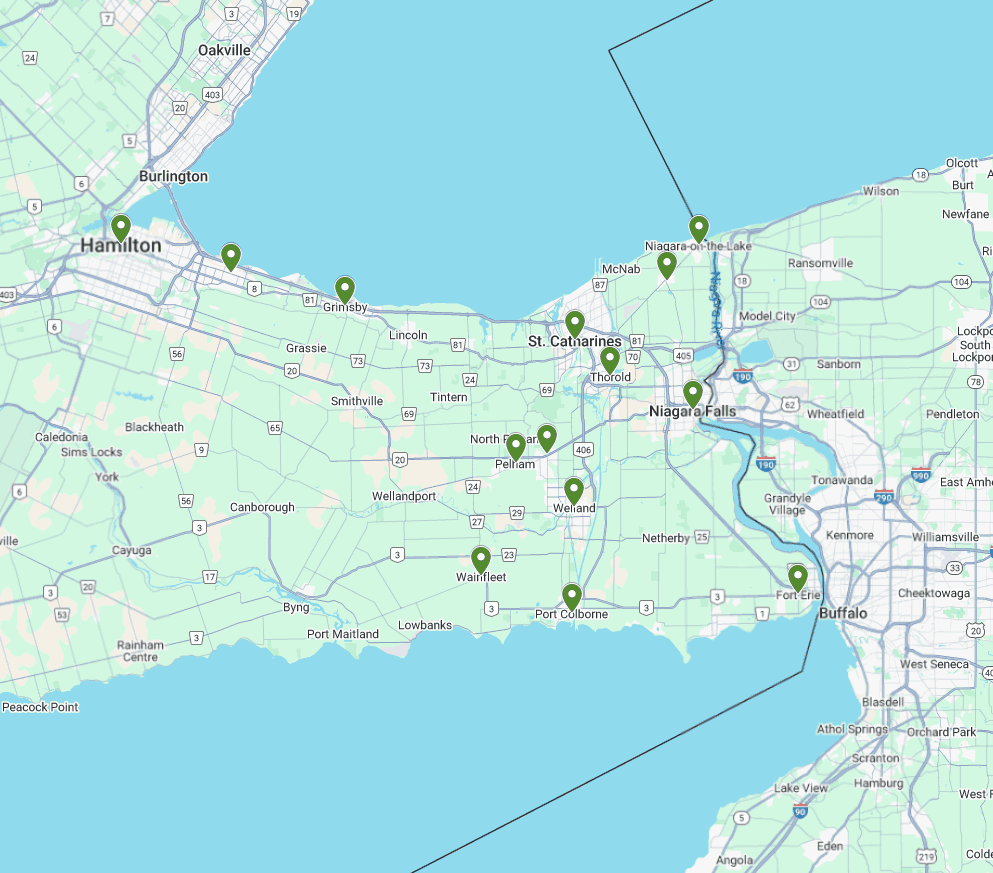
Our service areas encompass a wide range of locations, ensuring that we can meet the needs of our clients wherever they are. From bustling urban centers to serene rural landscapes, we are committed to providing top-notch services tailored to each unique environment.