



Water heater repair in Stoney Creek, ON is explained in detail, from common issues like cold water, leaks, and faulty thermostats to the diagnostic steps technicians use to identify root causes. The guide describes typical repairs, parts replacement timelines, and safety practices for gas and electric units, along with warranty expectations and preventive maintenance tips. It also emphasizes timely repairs to reduce energy waste and protect against water damage, helping homeowners decide between repair and replacement.
.jpeg)
Water Heater Repair in Stoney Creek, ON
A reliable hot water supply is essential for daily life in Stoney Creek homes. Cold winters, older housing stock, and mineral-rich local water can accelerate wear on water heaters, turning a small issue into an urgent problem. common water heater problems in Stoney Creek, ON, how professionals diagnose and fix them, what replacement parts and timelines look like, safety procedures for gas and electric units, warranty expectations, and practical ways to prevent future failures.
Common water heater issues in Stoney Creek homes
- No hot water or insufficient hot water
- Intermittent hot water or rapidly running out of hot water
- Visible leaks from the tank, connections, or drain valve
- Pilot light failures or burner problems on gas models
- Electric elements or thermostats that fail
- Noisy operation from sediment build-up (rumbling or popping)
- High pressure or frequent relief valve discharge
- Discolored water or reduced flow from corrosion or sediment
Local factors that contribute: Stoney Creek’s seasonal temperature swings increase demand in winter and cause thermal cycling stress. Municipal and well water mineral content can lead to sediment accumulation, faster anode rod depletion, and more frequent maintenance needs.
How a professional diagnostic works
A trained technician follows a systematic process to identify the root cause quickly and accurately:
Homeowner troubleshooting steps before calling a technician:
- Verify other appliances are working to rule out a whole-house power outage.
- Check the breaker or fuse for the water heater and reset only if safe to do so.
- Confirm gas supply and that other gas appliances operate if you suspect a gas issue.
- Look for visible leaks and note where they originate.
- If you smell gas, evacuate and call the gas utility—do not attempt repairs.
Typical repairs, parts replacement, and timelines
- Thermostat or heating element replacement (electric): usually completed in 1 to 3 hours.
- Pilot assembly, thermocouple, or gas valve repair (gas units): often resolved in 1 to 2 hours depending on parts availability.
- Pressure relief valve or drain valve replacement: typically 30 minutes to 1 hour.
- Dip tube replacement or minor plumbing repairs: 1 to 3 hours.
- Tank leak requiring tank replacement: same-day replacement possible if a compatible unit is on hand; otherwise 24 to 48 hours depending on inventory.
- Sediment flush and maintenance: 30 minutes to 1 hour.
Parts commonly replaced: heating elements, thermostats, anode rods, dip tubes, T&P valves, drain valves, gas valves, pilot assemblies, and external fittings. Technicians will advise whether individual part replacement is cost-effective or if full tank replacement is the better long-term solution.
Safety procedures for gas and electric water heaters
- Gas units: always check for proper ventilation and exhaust. Turn off the gas supply before servicing and test for leaks after repairs. Ensure pilot light and thermocouple are installed correctly and combustion is clean. If you smell gas, evacuate immediately and contact the gas utility.
- Electric units: isolate power at the breaker before opening any access panels. Use a multimeter to confirm zero voltage before touching heating elements or terminals. Replace elements only after the tank is partially drained and cooled to avoid scalding.
- General: drain tanks slowly and use appropriate personal protective equipment. Pressure should be relieved before loosening fittings. Technicians follow local codes and safety standards during every repair.
Warranty expectations and service guarantees
- Manufacturer warranties: new tanks and major components typically carry a manufacturer warranty that varies by model and brand. Some parts may have limited lifetime coverage while others have shorter terms. Warranty coverage often requires proper installation and regular maintenance.
- Service and labor warranty: reputable service providers typically offer a limited labor warranty on repairs. Expect clear documentation stating what is covered and for how long, and whether follow-up diagnostics are included.
- What can void warranties: failure to maintain the unit (for example, not flushing sediment regularly), unauthorized repairs, or improper installation can void manufacturer warranties. Keep service records and receipts to maintain coverage.
Preventive maintenance tips to extend life in Stoney Creek
- Annual flush: drain a portion of the tank or perform a full flush yearly to reduce sediment buildup that causes noise, inefficiency, and element failure.
- Inspect and replace the anode rod every 3 to 5 years or sooner in areas with higher mineral content. A healthy anode rod prevents tank corrosion.
- Check the T&P valve annually to confirm it operates freely and does not leak.
- Insulate the tank and hot water pipes to reduce heat loss during cold months and improve recovery times.
- Set thermostat temperature thoughtfully: Health and safety guidelines often recommend around 60 degrees Celsius to prevent bacterial growth, but balance this with scald risk and energy savings.
- Install a pressure reducing valve or expansion tank if you have frequent pressure spikes or a closed domestic water system.
- For outdoor or uninsulated installations, winterize and protect pipes and the tank from freezing conditions.
Why timely repair matters
Addressing small issues quickly prevents larger failures, improves energy efficiency, and protects your home from water damage. In Stoney Creek, where seasonal demands and local water conditions accelerate wear, proactive repairs and maintenance save time and reduce overall lifecycle costs.
This information is intended to educate homeowners about what to expect from professional water heater repair in Stoney Creek, ON, and to help you make informed decisions about repair versus replacement, safety measures, and ongoing maintenance strategies.

Customer Testimonials

We had an amazing experience getting our new furnace installed with Niagara Home Heating. The owner was very helpful, their quote was more then competitive and the technician who installed the unit was professional and friendly. I would recommend their services.

I had an issue with my hot water tank and called Niagara Home Heating. Their service was fantastic and reasonably priced—exactly how a business should be run!
I have used Niagara Home heating for multiple projects for over 16 years. John and his staff are absolutely the best. I tell all my friends and family about Niagara Home Heating because you won’t get any better service or pricing anywhere in Niagara. He has saved me thousands and thousands of dollars and has never let me down.
Very efficient company. I needed an old solar water heater removed from my roof. They were quick to book an appointment for the next day after I sent photos. They were very knowledgeable of the issue. The 2 guys that came were friendly and competent with the job, including removal of all parts.
Lifesavers!! The AC in our house decided to quit the day we were passing the keys to the new owners!! Instead of making a service call to the house, John coached me through the minor repair over the phone, saving me the money and time waiting for a repair person to come.Much appreciated! Thanks again John
I called John today at 2:pm as my AC was not working and I wasn’t expecting even a call back as I knew with this hot weather we have had he would be swamped with calls. Well he called me back and showed at 8:pm on the same day to fix my AC. That is just incredible service and how much John really cares about his clients. Thank you John !

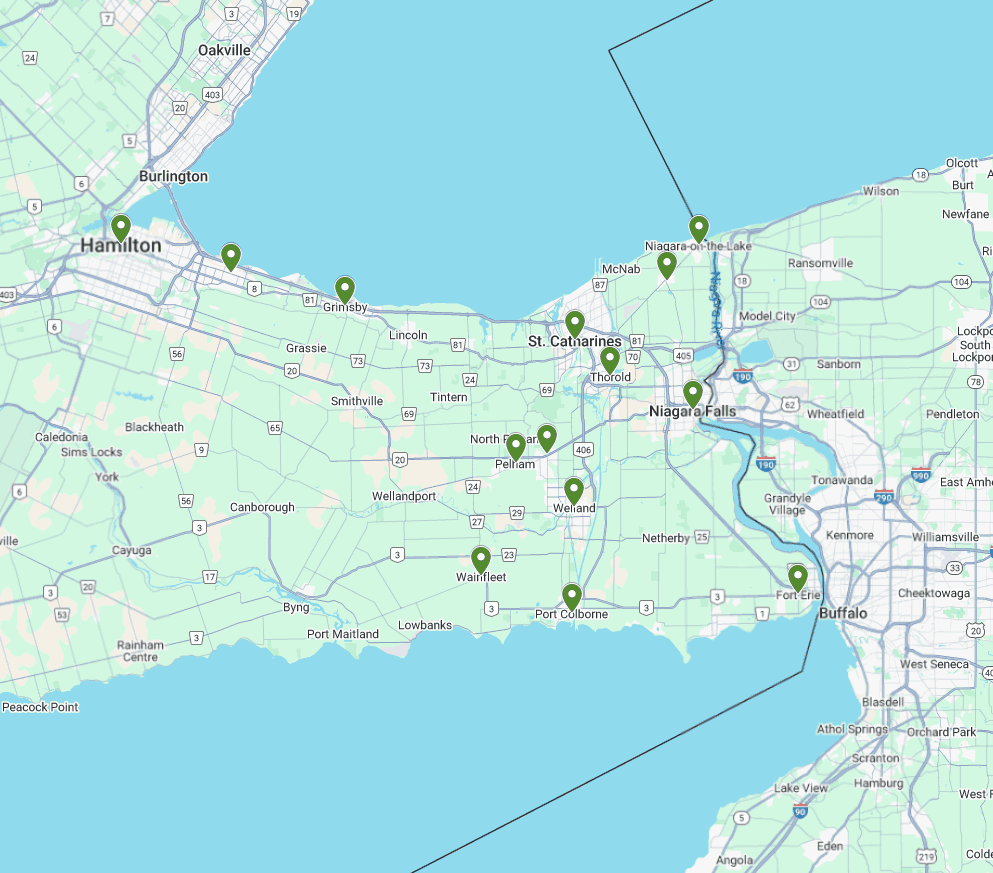
Service Areas
Our service areas encompass a wide range of locations, ensuring that we can meet the needs of our clients wherever they are. From bustling urban centers to serene rural landscapes, we are committed to providing top-notch services tailored to each unique environment.