



Emergency furnace repair in Fonthill, ON provides around-the-clock triage, rapid on-site diagnostics, and safety-first procedures to restore heat quickly. It describes common emergencies, immediate steps for safety, on-truck capabilities, temporary mitigations, and clear full-repair options. It covers carbon monoxide and gas safety protocols, scheduling expectations, and post-service guidance to prevent future failures. By detailing root causes, recommended repairs, and long-term solutions, it helps families understand what to expect and how professional technicians protect home and health.
.jpeg)
Furnace Emergency-Furnace-Repair in Fonthill, ON
When your furnace fails in the middle of a cold Fonthill night, you need fast, competent help that prioritizes safety and restores heat quickly. Emergency furnace repair in Fonthill, ON means 24/7 response, on-site diagnostics designed for urgent failures (no heat, repeated shutdowns, or safety alerts), temporary mitigation to keep your household safe and warm, and clear options for full repair or replacement. This page explains what typically causes emergencies in Fonthill homes, how technicians diagnose and fix urgent problems on-site, the safety protocols for gas and carbon monoxide events, what to expect from emergency scheduling and arrival, and practical steps you can take right away.
Why emergency furnace repair matters in Fonthill
Fonthill’s winters bring rapid temperature drops and long heating loads. Older homes, rural service lines, and seasonal power interruptions increase the likelihood that a furnace issue becomes urgent. Untreated failures can lead to frozen pipes, property damage, and safety hazards like carbon monoxide exposure. Emergency furnace repair addresses immediate risk and restores reliable heating so families stay safe and comfortable.
Most common furnace emergencies in Fonthill homes
- Furnace completely won’t start (no heat)
- Furnace starts then shuts down repeatedly (lockouts)
- Noisy operation with banging, grinding, or loud rattles
- Ignition or pilot failure (no flame)
- Frequent cycling or overheating (limit switch trips)
- Blower motor failure (no air movement)
- Strong gas smell or natural gas leak indicators
- Carbon monoxide alarm activation or suspected CO presence
- Electrical failures or frequent breaker trips during heating
Immediate steps to take before help arrives
- If you smell gas: leave the home immediately, avoid using switches or phones indoors, and call emergency services from a safe location. Do not attempt to locate the leak yourself.
- If a carbon monoxide (CO) alarm sounds or you suspect CO: evacuate everyone, ventilate by opening doors and windows from outside if safe, and notify emergency responders. Do not re-enter until cleared by professionals.
- If the furnace is simply off: check the thermostat batteries and circuit breaker without touching gas valves. Replace a dirty filter if it’s safe to access it—this can resolve some airflow-related shutdowns.
- For temporary warmth: use safe, vented space heaters outdoors of sleeping areas; never leave portable heaters unattended and avoid using cooking appliances to heat the home.
Rapid-response procedures and what technicians do on-site
Emergency technicians follow a structured, safety-first workflow so you get heat back quickly while minimizing risk.
Triage and safety assessment
- Confirm the nature of the emergency (no heat, gas odor, CO alarm, etc.)
- Check CO detector readings and verify gas odor reports
- If needed, isolate the furnace and shut off gas electrically or at the meter in coordination with utility instructions
On-site diagnostics
- Visual inspection of burners, ignition system, venting and flue
- Verify thermostat signals and control board error codes
- Test pressure switches, flame sensors, limit switches, and blower motor
- Inspect air filters, condensate lines (for high-efficiency units), and duct obstructions
Temporary mitigation to restore safe operation
- Reset control systems where safe; bypass noncritical sensors temporarily only when appropriate and safe
- Provide interim heating advice and safe temporary heat sources
- Secure gas lines and recommend immediate shutoff if a leak is suspected until the gas company inspects
Full-repair options explained
- Clearly explain the root cause, the recommended repairs, and whether a part replacement or full system change is required
- Provide timelines for parts ordering and follow-up service
- Discuss long-term solutions to reduce future emergencies (maintenance plans, upgrades, venting fixes)
Typical on-truck capabilities and repair scope
Emergency technicians in the region arrive stocked with common replacement parts and tools to resolve most urgent faults on the spot: ignition assemblies, flame sensors, capacitors, pressure switches, limit switches, thermostats, control boards, and blower motor components. When a specialized or larger replacement is necessary, technicians secure the unit, make the system safe, and arrange follow-up repair with clear scheduling.
Safety protocols for carbon monoxide and gas issues
- Any confirmed CO alarm or elevated CO reading results in immediate shutdown of the heating system until the source is found and mitigated.
- If a gas odor is present, technicians follow strict gas safety procedures: evacuate spaces, ventilate, shut off gas supply in coordination with local utility if required, and use combustible gas detectors to locate leaks.
- Technicians wear appropriate personal protective equipment, use calibrated CO and gas detectors, and follow local code requirements for ventilation and flue integrity before returning a system to service.
Emergency scheduling and response expectations in Fonthill
Emergency furnace repair service in Fonthill is designed around 24/7 availability and rapid dispatch during cold weather. Expect:
- Immediate triage by phone to determine risk level (CO/gas vs. no heat)
- Prioritization of life-safety calls (CO or gas odor) above non-safety calls
- A technician dispatched with appropriate tools and detection equipment
- Clear communication about arrival window and diagnostic findings on-site Technicians will explain next steps and schedule any required follow-up repairs or part installations after stabilizing your system.
How emergency repair protects your home and family
- Restores safe heating quickly to prevent cold-related property damage
- Identifies safety hazards such as CO leaks or venting problems that could worsen over time
- Reduces the risk of repeated breakdowns by addressing root causes rather than temporary fixes
- Provides documented diagnostics to support insurance claims or future service decisions
Preventing future emergencies: maintenance tips for Fonthill homes
- Schedule annual fall furnace inspections and tune-ups to catch worn parts and airflow issues before winter
- Replace or clean filters monthly during heavy use periods
- Keep vents, flues and outdoor units clear of debris and snow
- Install and maintain CO detectors on every level near sleeping areas
- Consider upgrading older furnaces that frequently require emergency service to improve reliability and safety
Emergency furnace failures are stressful, but understanding the process, safety priorities, and typical on-site solutions helps you make informed decisions quickly. In Fonthill homes where cold snaps and older equipment increase the stakes, timely emergency repair and professional safety protocols restore comfort and protect what matters most.

Customer Testimonials

We had an amazing experience getting our new furnace installed with Niagara Home Heating. The owner was very helpful, their quote was more then competitive and the technician who installed the unit was professional and friendly. I would recommend their services.

I called John today at 2:pm as my AC was not working and I wasn’t expecting even a call back as I knew with this hot weather we have had he would be swamped with calls. Well he called me back and showed at 8:pm on the same day to fix my AC. That is just incredible service and how much John really cares about his clients. Thank you John !
I had an issue with my hot water tank and called Niagara Home Heating. Their service was fantastic and reasonably priced—exactly how a business should be run!
I have used Niagara Home heating for multiple projects for over 16 years. John and his staff are absolutely the best. I tell all my friends and family about Niagara Home Heating because you won’t get any better service or pricing anywhere in Niagara. He has saved me thousands and thousands of dollars and has never let me down.
Lifesavers!! The AC in our house decided to quit the day we were passing the keys to the new owners!! Instead of making a service call to the house, John coached me through the minor repair over the phone, saving me the money and time waiting for a repair person to come.Much appreciated! Thanks again John
Very efficient company. I needed an old solar water heater removed from my roof. They were quick to book an appointment for the next day after I sent photos. They were very knowledgeable of the issue. The 2 guys that came were friendly and competent with the job, including removal of all parts.

Service Areas
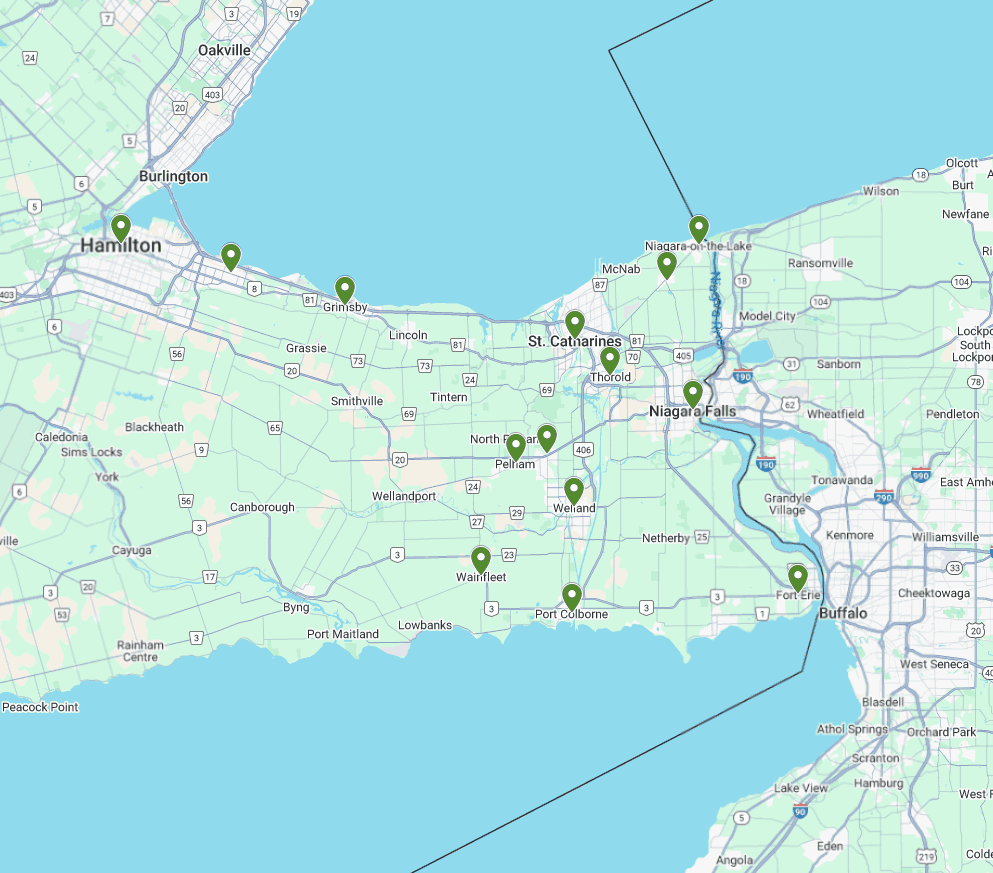
Our service areas encompass a wide range of locations, ensuring that we can meet the needs of our clients wherever they are. From bustling urban centers to serene rural landscapes, we are committed to providing top-notch services tailored to each unique environment.