



Heating replacement in Fonthill, ON provides guidance on when to upgrade, how a professional assessment and proper sizing ensure efficient performance, and what to expect during installation and aftercare. It covers evaluating system types—from high-efficiency gas furnaces and cold-climate heat pumps to boilers and ductless options—plus key features to prioritize. A step-by-step workflow describes scope, permits, installation, commissioning, and homeowner orientation. It describes also explains warranties, post-install testing, financing options, and expected energy savings for informed decisions.
.jpeg)
Heating Replacement in Fonthill, ON
Replacing your home heating system is one of the most impactful upgrades you can make for comfort, safety, and energy bills—especially in Fonthill where cold, wet winters and temperature swings challenge undersized or aging equipment. It describes when a replacement is the right choice, how a professional assessment and installation work, the types of systems suited to Fonthill homes, what to expect during the install and aftercare, and how upgrades translate into real energy savings.
Common signs you need a heating replacement in Fonthill, ON
- Unit age: Furnaces and boilers older than 15 to 20 years commonly need replacement rather than repeated repairs.
- Rising fuel bills: Year-over-year increases despite regular maintenance indicate falling efficiency.
- Frequent breakdowns: Multiple service calls in a single season suggest reliability is declining.
- Uneven heating or short cycling: These point to capacity mismatches or failing components.
- Safety or comfort concerns: Persistent carbon monoxide warnings, visible rust on heat exchangers, or ventilating problems.
- Noisy operation or musty smells: Indications the system is struggling or ducts are contaminated.
Home assessment and load calculations
A precise replacement starts with a detailed home assessment, not a one-size-fits-all recommendation. Typical assessment steps:
- Manual J load calculation to size the new system based on square footage, insulation, window types, orientation, and local design temperatures for Fonthill.
- Ductwork inspection and Manual D recommendations when ducts are present; evaluating leaks, insulation, and airflow.
- Fuel and venting review to confirm natural gas availability, propane options, or suitability for electric heat pumps. Many Fonthill homes have natural gas service, but cold-climate heat pumps and dual-fuel systems are increasingly viable.
- Envelope and thermostat audit to identify air sealing, attic insulation, and zoning opportunities that affect system size and operating cost.
Sizing correctly reduces short cycling, improves comfort, and extends equipment life. An undersized system will struggle on the coldest Fonthill nights; an oversized unit wastes fuel and cycles poorly.
Comparing system types and energy-efficient models
- High-efficiency gas furnaces: Modern modulating or variable-speed furnaces with AFUE ratings in the high 90s deliver reliable heat and strong winter performance. Good fit where natural gas is available.
- Cold-climate heat pumps: Advances allow efficient heating down to lower temperatures. Heat pumps offer electric-based heating and cooling in one system and can deliver substantial efficiency gains in milder winter days. Consider dual-fuel setups where a gas furnace backs up the heat pump for the coldest periods.
- Boilers and hydronic systems: Preferred in homes with existing radiator or in-floor heating; efficient condensing boilers can reduce fuel use compared to older boilers.
- Ductless mini-splits: Ideal for room additions, renovated spaces, or homes without ductwork; provide zoned comfort and high efficiency.
- Key features to prioritize: ENERGY STAR certification, variable-speed blowers, modulating burners or compressors, high AFUE or HSPF/SEER ratings, and smart thermostats for zoning and schedule optimization.
Step-by-step replacement workflow
- Finalize scope after assessment: equipment selection, sizing, and permit requirements.
- Obtain permits and order equipment: ensure models meet local codes and efficiency incentives.
- Site protection: lay down runners, drop cloths, and floor protection to preserve your home.
- Old equipment removal: safe disconnection of gas, electrical, and venting, followed by responsible disposal.
- Rough-in and modifications: adjust ductwork, install new venting or condensate lines, and update gas piping or electrical as needed.
- Equipment installation: mount furnace/heat pump/boiler, connect controls, and install thermostat.
- System commissioning and testing: airflow balancing, combustion analysis for gas systems, refrigerant checks for heat pumps, and safety device verification.
- Homeowner orientation: overview of operation, maintenance needs, and warranty documentation.
- Final cleanup: removal of debris, vacuuming work areas, and restoring protection materials.
Timeline and cleanup expectations
- Typical replacement for a straightforward furnace or heat pump is one day to two days. Complex jobs that require duct modifications, structural changes, or boiler piping can take several days.
- Professionals will protect floors and living spaces, contain dust, and leave the home broom-clean. Expect technicians to perform a final walkthrough to ensure all work areas are returned to pre-job condition.
Warranty and post-installation testing
- New equipment carries manufacturer warranties that vary by model and component; labor warranties typically range and can include limited coverage for installation. Ask for written warranty terms and registration instructions.
- Post-install testing should include combustion efficiency and CO testing for fuel-fired equipment, airflow measurements, thermostat calibration, and a demonstration of system controls. Proper commissioning ensures performance and preserves warranty eligibility.
Financing, rebates, and expected energy savings
- Financing: Many homeowners use financing plans to spread replacement costs over time. Options include low-interest loans, home equity, or contractor financing programs.
- Rebates and incentives: Federal, provincial, and local utility incentives for energy-efficient heating systems or heat pumps may be available. Programs change periodically, so verify current eligibility and application requirements before purchase.
- Energy savings: Replacing an aging furnace or boiler with a high-efficiency model or switching to a modern heat pump typically yields measurable savings. Typical savings ranges are:
- 15 to 30 percent for replacing an old conventional furnace with a high-efficiency gas furnace.
- 20 to 40 percent or more when transitioning from a very old system to a cold-climate heat pump, depending on fuel type and home envelope.
Savings depend on fuel costs, usage patterns, insulation levels, and thermostat settings. A load calculation and energy comparison will provide a clearer payback estimate for your Fonthill home.
Maintenance to preserve performance and savings
- Annual professional tune-ups extend life and retain efficiency; fuel-fired systems should have yearly combustion and safety checks.
- Regular filter changes, keeping vents unobstructed, and thermostat schedule optimization maintain comfort and efficiency.
- Address air sealing and insulation upgrades identified during assessment to maximize savings from the new system.
Replacing your heating system is a major home investment that delivers improved comfort on Fonthill’s coldest days, better indoor air quality, increased reliability, and reduced operating costs. A thoughtful assessment, correct sizing, and professional installation are the keys to getting the expected performance and long-term value from your new heating system.

Customer Testimonials

I have used Niagara Home heating for multiple projects for over 16 years. John and his staff are absolutely the best. I tell all my friends and family about Niagara Home Heating because you won’t get any better service or pricing anywhere in Niagara. He has saved me thousands and thousands of dollars and has never let me down.

Very efficient company. I needed an old solar water heater removed from my roof. They were quick to book an appointment for the next day after I sent photos. They were very knowledgeable of the issue. The 2 guys that came were friendly and competent with the job, including removal of all parts.
Lifesavers!! The AC in our house decided to quit the day we were passing the keys to the new owners!! Instead of making a service call to the house, John coached me through the minor repair over the phone, saving me the money and time waiting for a repair person to come.Much appreciated! Thanks again John
I called John today at 2:pm as my AC was not working and I wasn’t expecting even a call back as I knew with this hot weather we have had he would be swamped with calls. Well he called me back and showed at 8:pm on the same day to fix my AC. That is just incredible service and how much John really cares about his clients. Thank you John !
We had an amazing experience getting our new furnace installed with Niagara Home Heating. The owner was very helpful, their quote was more then competitive and the technician who installed the unit was professional and friendly. I would recommend their services.
I had an issue with my hot water tank and called Niagara Home Heating. Their service was fantastic and reasonably priced—exactly how a business should be run!

Service Areas
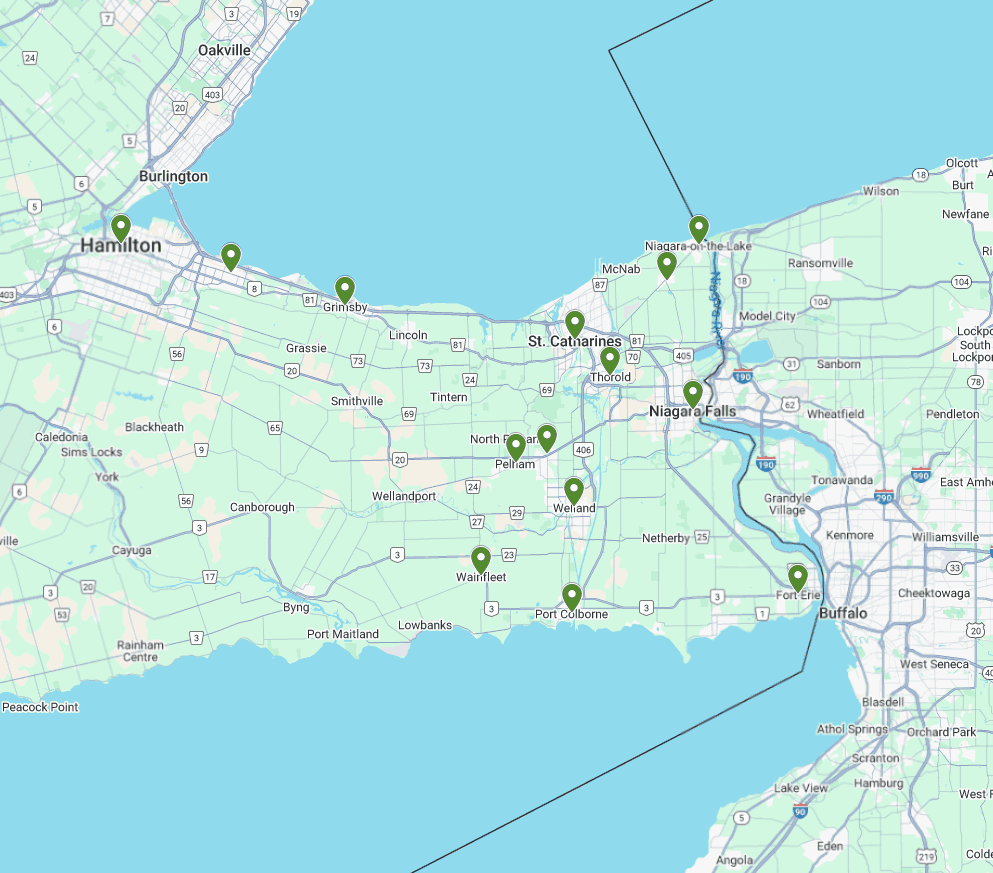
Our service areas encompass a wide range of locations, ensuring that we can meet the needs of our clients wherever they are. From bustling urban centers to serene rural landscapes, we are committed to providing top-notch services tailored to each unique environment.