



A furnace tune-up service in Fonthill, ON, a preventive maintenance that restores efficiency, checks safety systems, and identifies emerging faults before they become emergencies. A standard tune-up covers mechanical, combustion, electrical, and safety inspections, plus cleaning, with tasks such as burner cleaning, ignition calibration, filter guidance, and vent checks. The service typically takes 60-90 minutes and includes a written report of findings and recommended actions; annual maintenance is recommended, with more frequent visits if problems arise.
-min.jpeg)
furnace tune-up in Fonthill, ON
Keeping your furnace tuned and running reliably is one of the most important things you can do to protect comfort, safety, and energy costs in Fonthill homes. A professional furnace tune-up in Fonthill, ON is a focused preventive service that goes beyond a quick filter change. It restores efficient operation, finds developing faults before they become emergencies, and verifies that safety systems are working properly—critical during cold Niagara winters and freeze-thaw cycles common in the region.
Why a furnace tune-up matters in Fonthill
Fonthill experiences cold winters, frequent temperature swings, and lake-effect precipitation that can stress HVAC equipment. Furnaces that are neglected after a busy heating season are more likely to:
- Run less efficiently and drive up natural gas or heating costs
- Fail unexpectedly on the coldest nights
- Develop safety risks like blocked flues or compromised combustion
- Suffer premature wear on motors and moving parts
A proper tune-up addresses these issues at the source so your furnace performs reliably and safely when you need it most.
What a standard furnace tune-up includes
A comprehensive furnace tune-up in Fonthill, ON typically covers mechanical, combustion, electrical, and safety inspections plus cleaning where needed. Common elements are:
- Visual inspection of the entire heating system and surrounding area
- Cleaning burners, heat exchanger surfaces, and coils to restore proper combustion and heat transfer
- Inspecting and calibrating the ignition system and thermostat for accurate start-up and cycling
- Checking and lubricating motors, blower bearings, and other moving parts to reduce friction and noise
- Inspecting filters and advising on replacement frequency (filters often cleaned or replaced separately)
- Checking the flue and venting for blockages, corrosion, or improper slope to ensure safe exhaust of combustion gases
- Testing safety controls including limit switches, pressure switches, and electrical connections
- Verifying proper blower operation and airflow through the heat exchanger and ducts
- Measuring system operation and advising on any repairs or replacements needed
Technicians may also perform a combustion analysis for gas furnaces when required to confirm efficient, safe combustion and proper CO levels. A written report of findings and recommended actions is typically provided at the end of the visit.
Expected service duration
A full tune-up usually takes about 60 to 90 minutes for a single-family home furnace. Systems that are older, very dirty, or have multiple issues can take longer. If additional repair work is required (for example a failing blower motor or a cracked heat exchanger), the technician will outline what is needed and estimated time for those repairs.
Recommended frequency
- Annual tune-up: For most Fonthill homes with a gas or oil furnace, an annual professional tune-up before the heating season is the standard recommendation. This timing ensures the system starts the winter in peak condition.
- Twice yearly: Consider twice-yearly checks if your home has heavy usage, elderly or immunocompromised occupants, a very old furnace, or if you rely on the system for critical heating (for example in rental or commercial properties).
- After unusual events: Schedule an inspection after extended storms, power outages, flooding, or if you notice strange noises, frequent cycling, increased fuel bills, or a CO detector alert.
Common furnace problems identified during tune-ups in Fonthill
- Dirty burners and clogged heat exchangers that reduce heat transfer and efficiency
- Misaligned or failing ignition/igniter components causing startup issues
- Blocked flue or venting from bird nests, debris, or corrosion—raising safety concerns
- Worn blower motors or bearings producing noise and poor airflow
- Faulty limit switches or safety sensors leading to unnecessary shutdowns
- Thermostat calibration drift causing uneven heating or inefficiency
Catching these problems early at tune-up avoids emergency repairs during peak cold weather and reduces the chance of needing a full furnace replacement sooner than necessary.
Performance, efficiency, and safety benefits
A professional tune-up delivers measurable and practical benefits:
- Improved efficiency: Cleaning and calibrating the system restores optimal combustion and airflow—often reducing fuel use and lowering energy bills. Many households see noticeable savings, depending on system condition.
- More reliable operation: Identifying worn parts and weak components before failure helps prevent no-heat emergencies during cold snaps common to Niagara winters.
- Extended equipment life: Proper lubrication, cleaning, and adjustment reduce wear, helping extend furnace life by several years compared with neglected systems.
- Better comfort: Correct airflow and calibrated controls deliver more consistent temperatures and fewer cold spots.
- Enhanced safety: Inspecting the flue, heat exchanger condition, and safety controls reduces the risk of carbon monoxide leaks or unsafe combustion conditions.
Practical maintenance tips between tune-ups
- Replace or clean your filter every 1 to 3 months depending on usage and filter type. A clean filter improves airflow and protects internal components.
- Keep the area around the furnace clear of clutter, chemicals, and combustible materials.
- Check that exterior vents and intake louvers are free from snow, debris, or vegetation, especially after storms.
- Make note of unusual sounds, smells, or cycling behavior and schedule an inspection if they appear.
Final notes on choosing a tune-up schedule for Fonthill homes
For most Fonthill homeowners a once-a-year professional furnace tune-up before the heating season is the most cost-effective way to preserve safety, comfort, and efficiency. Homes with older systems, heavy usage, or special health and safety concerns may benefit from more frequent checks. A detailed tune-up will not only optimize performance for the coming winter but also identify small repairs that prevent bigger, more costly breakdowns when temperatures drop.

Customer Testimonials

I called John today at 2:pm as my AC was not working and I wasn’t expecting even a call back as I knew with this hot weather we have had he would be swamped with calls. Well he called me back and showed at 8:pm on the same day to fix my AC. That is just incredible service and how much John really cares about his clients. Thank you John !

Very efficient company. I needed an old solar water heater removed from my roof. They were quick to book an appointment for the next day after I sent photos. They were very knowledgeable of the issue. The 2 guys that came were friendly and competent with the job, including removal of all parts.
We had an amazing experience getting our new furnace installed with Niagara Home Heating. The owner was very helpful, their quote was more then competitive and the technician who installed the unit was professional and friendly. I would recommend their services.
Lifesavers!! The AC in our house decided to quit the day we were passing the keys to the new owners!! Instead of making a service call to the house, John coached me through the minor repair over the phone, saving me the money and time waiting for a repair person to come.Much appreciated! Thanks again John
I have used Niagara Home heating for multiple projects for over 16 years. John and his staff are absolutely the best. I tell all my friends and family about Niagara Home Heating because you won’t get any better service or pricing anywhere in Niagara. He has saved me thousands and thousands of dollars and has never let me down.
I had an issue with my hot water tank and called Niagara Home Heating. Their service was fantastic and reasonably priced—exactly how a business should be run!

Service Areas
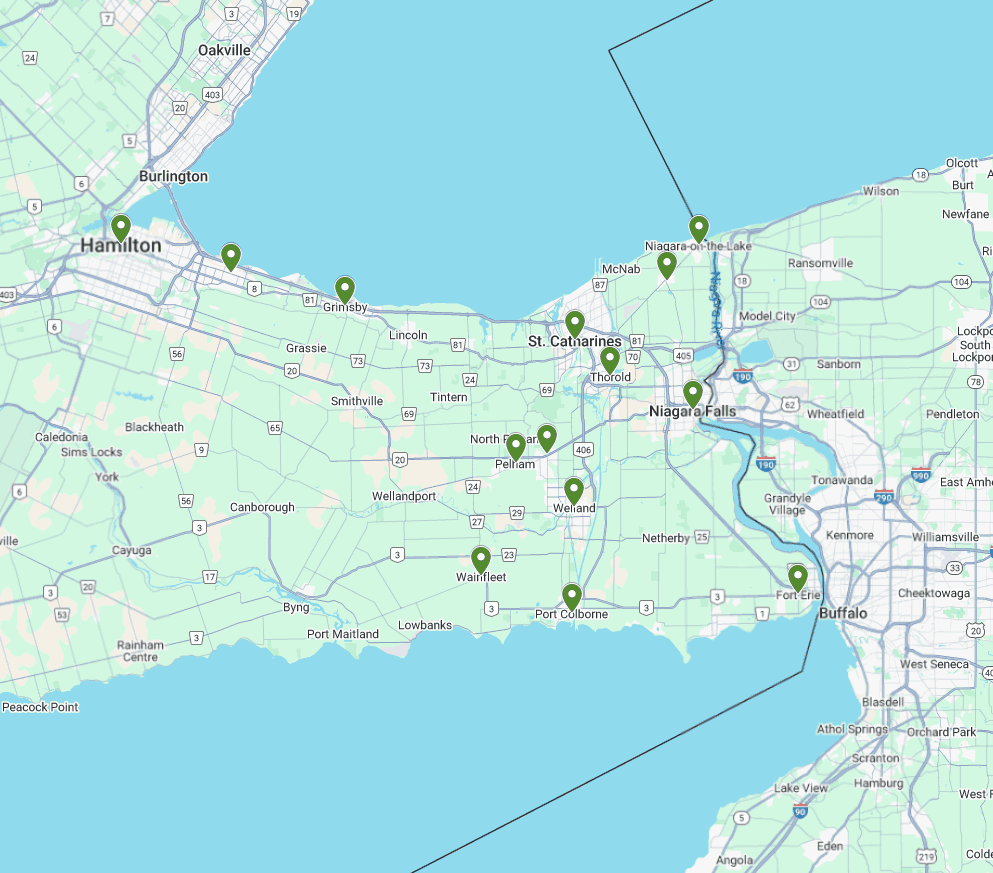
Our service areas encompass a wide range of locations, ensuring that we can meet the needs of our clients wherever they are. From bustling urban centers to serene rural landscapes, we are committed to providing top-notch services tailored to each unique environment.