



It describes furnace replacement in Fonthill, ON, guiding homeowners through professional sizing, model comparison, installation, disposal, warranties, and financing. It describes why upgrading improves comfort, reduces energy costs, and minimizes risk of breakdowns during harsh winters. Readers learn how load calculations, duct inspections, and venting reviews ensure accurate sizing, while energy-saving features such as AFUE, two-stage burners, and variable-speed blowers inform model selection. The guide also covers the installation sequence, timelines, incentives, and expected performance after a successful upgrade.
-min.jpeg)
furnace Replacement in Fonthill, ON
An aging or underperforming furnace is one of the fastest ways to see your energy bills rise and comfort drop during Fonthill winters. Upgrading to a properly sized, energy-efficient furnace improves warmth, lowers operating costs, reduces repair calls, and can improve indoor air quality. This page explains the furnace replacement process in Fonthill, ON — from system assessment and sizing to model comparison, installation steps, disposal, warranties and financing, expected timeline, and the measurable benefits you can expect after an upgrade.
Why replace your furnace in Fonthill, ON
Fonthill experiences cold winters and humid transitional seasons. Older furnaces and poorly sealed duct systems struggle to maintain consistent temperatures and can drive up natural gas use. Replacing an inefficient or failing furnace corrects comfort issues like uneven heating, frequent cycling, and noisy operation. Upgrades also reduce the risk of breakdowns during peak cold, when repair times can be longer.
Common furnace problems that justify replacement
- Frequent breakdowns and rising repair frequency
- Yellowing or cracked heat exchanger (safety and efficiency concern)
- Furnace cycling on and off rapidly (short-cycling)
- Noticeably higher energy bills without a change in habits
- Difficulty maintaining set temperatures in multiple rooms
- Old equipment approaching or beyond expected service life
System assessment and accurate sizing
A professional replacement begins with a detailed assessment of your home and current system. Key elements include:
- Load calculation (Manual J) - measures heating demand based on home size, insulation, windows, orientation, and local climate factors in Fonthill.
- Duct inspection (Manual D overview) - checks for leaks, poorly sized runs, or imbalance that can reduce system efficiency.
- Fuel and venting review - confirms whether the home uses natural gas or propane and whether existing venting supports a high-efficiency condensing furnace or requires modification.
- Electrical and thermostat compatibility - verifies power supply, control wiring, and smart thermostat readiness.
Accurate sizing is critical. Oversized furnaces short-cycle and waste fuel, while undersized units run constantly and fail to deliver comfort. A properly calculated size ensures efficient, quiet operation and long service life.
Comparing energy-efficient models
When evaluating replacement options, consider these features:
- AFUE rating - higher AFUE means more of the fuel converts to heat rather than exhaust.
- Two-stage or modulating burners - improve comfort by matching output to demand instead of running full blast every cycle.
- Variable-speed ECM blower motors - provide more even heating, better dehumidification control, and lower electrical use.
- Condensing technology - extracts more heat by cooling exhaust gases, requiring condensate management and corrosion-resistant materials.
- Compatibility with smart thermostats and zoning - enables precise control and further energy savings.
- Noise levels and cabinet insulation - important for living spaces or bedrooms adjacent to mechanical rooms.
Each home in Fonthill will have a different optimum combination of these features. The right choice balances efficiency, installation complexity, and budget while maximizing long-term operating savings.
Detailed installation steps
A thorough, professional installation typically follows these stages:
Removal and disposal of old equipment
Old furnaces often contain metal, copper, and other recyclable components. Proper removal includes:
- Safe disconnection of gas and electrical connections
- Secure draining of any condensate or residual fluids
- Responsible disposal or recycling of metal and electronic components per Ontario regulations
- Documentation of disposal where required
Environmentally responsible disposal minimizes landfill impact and ensures any hazardous components are handled correctly.
Warranty, financing, and incentives
- Manufacturer warranties typically cover parts and may offer extended coverage on heat exchangers. Confirm what is covered, any required registration, and transferability if you sell the home.
- Installer warranties back labor and workmanship. Look for clear terms on what is included and the duration.
- Financing options are commonly available through lenders or equipment suppliers. Typical offerings include low-interest or deferred-payment plans; review terms carefully for total cost and eligibility.
- Local rebates and incentives: Ontario and federal efficiency programs, utility rebates, and tax incentives may be available for high-efficiency replacements. Eligibility often depends on the model installed and the scope of upgrades. Check current local programs before purchase and keep documentation for any rebate applications.
Expected timeline and factors affecting schedule
- Initial assessment and quote: often within a few days to one week, depending on contractor availability.
- Permits and parts lead time: if required, permits or specific model availability can add days to weeks.
- Installation day: most residential furnace replacements are completed in one working day for straightforward swaps; more complex jobs (duct redesign, venting changes, or conversions) may take 1-2 days.
- Final inspection and follow-up: may require a separate municipal inspection depending on local regulations and permit needs.
Timeline variability depends on scope of work, permit processing, ordering specialized components, and seasonal demand during cold months.
Performance and efficiency benefits of upgrading
Upgrading yields several measurable advantages:
- Lower operating costs through higher conversion efficiency and smarter controls.
- Improved comfort with steadier temperatures, reduced drafts, and quieter operation.
- Better indoor air quality when paired with proper filtration and balanced ductwork.
- Reduced carbon footprint by using fuel more efficiently and lowering consumption.
- Reliability with new components and warranties reducing unexpected repair needs.
Maintenance tips for long-term performance
- Replace filters regularly according to the manufacturer to protect the heat exchanger and maintain airflow.
- Schedule annual preventive maintenance to check combustion, controls, and safety systems.
- Keep registers and vents clear and routinely check for unusual noises or cycling.
- Maintain good attic and basement insulation and seal leaks to reduce the load on the furnace.
A professionally sized and installed furnace, matched to your Fonthill home and local weather demands, delivers consistent warmth, lower energy use, and peace of mind for many winters to come.

Customer Testimonials

We had an amazing experience getting our new furnace installed with Niagara Home Heating. The owner was very helpful, their quote was more then competitive and the technician who installed the unit was professional and friendly. I would recommend their services.

Very efficient company. I needed an old solar water heater removed from my roof. They were quick to book an appointment for the next day after I sent photos. They were very knowledgeable of the issue. The 2 guys that came were friendly and competent with the job, including removal of all parts.
I called John today at 2:pm as my AC was not working and I wasn’t expecting even a call back as I knew with this hot weather we have had he would be swamped with calls. Well he called me back and showed at 8:pm on the same day to fix my AC. That is just incredible service and how much John really cares about his clients. Thank you John !
I had an issue with my hot water tank and called Niagara Home Heating. Their service was fantastic and reasonably priced—exactly how a business should be run!
Lifesavers!! The AC in our house decided to quit the day we were passing the keys to the new owners!! Instead of making a service call to the house, John coached me through the minor repair over the phone, saving me the money and time waiting for a repair person to come.Much appreciated! Thanks again John
I have used Niagara Home heating for multiple projects for over 16 years. John and his staff are absolutely the best. I tell all my friends and family about Niagara Home Heating because you won’t get any better service or pricing anywhere in Niagara. He has saved me thousands and thousands of dollars and has never let me down.

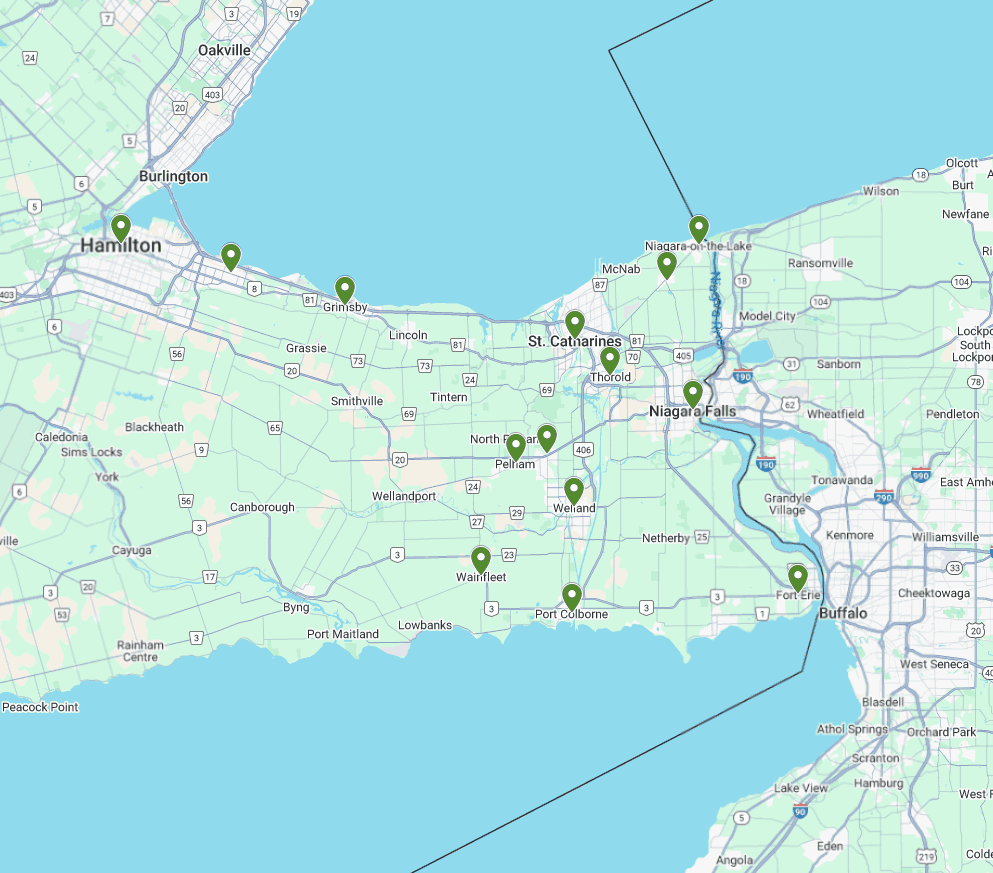
Service Areas
Our service areas encompass a wide range of locations, ensuring that we can meet the needs of our clients wherever they are. From bustling urban centers to serene rural landscapes, we are committed to providing top-notch services tailored to each unique environment.