



It describes a comprehensive heating tune-up service for Fonthill, ON homes, emphasizing safety, efficiency, and reliable comfort through Niagara winters. It explains why pre-season inspections matter, common issues like dirty burners, clogged heat exchangers, and faulty controls, and what a complete tune-up includes—from safety checks and cleaning to calibration, CO testing, and duct inspection. It also covers diagnostics, a concise tune-up checklist, expected outcomes, recommended yearly frequency, and simple maintenance tips to extend equipment life between visits.
.jpeg)
Heating tune-up in Fonthill, ON
A thorough heating tune-up in Fonthill, ON keeps your home safe, comfortable, and energy efficient through the long Niagara winter. With cold temperatures, occasional lake-effect weather, and older housing stock in parts of Pelham, furnaces and boilers in local homes face heavier seasonal demand than systems in milder regions. A professional tune-up addresses common failure points before they become emergencies, reduces fuel use, and verifies your system is operating safely and within manufacturers specifications.
Why a heating tune-up matters in Fonthill, ON
- Cold winters and early starts to the heating season mean your furnace or boiler will run longer. Wear accumulates and problems can emerge quickly.
- Local humidity and road salt exposure can accelerate corrosion on outdoor components and condensate drains in high-efficiency condensing equipment.
- Rural and semi-rural homes near agricultural areas can have higher dust and debris loads that clog filters, burners, and ducts.
- A pre-season tune-up reduces the risk of mid-winter breakdowns when technician availability is limited.
Common heating tune-up issues in Fonthill homes
- Dirty burners and clogged flame openings causing inefficient combustion and intermittent ignition.
- Dust buildup on the heat exchanger, reducing heat transfer and increasing operating temperature.
- Miscalibrated thermostats or loose wiring causing short cycling or uneven temperatures.
- Worn or unlubricated blower motors and belts that make noise and lose efficiency.
- Blocked condensate lines and corrosion in high-efficiency furnaces and boilers.
- Weak ignition or faulty safety controls that allow unsafe operation or unnecessary shutdowns.
- Elevated carbon monoxide due to poor combustion or cracks in the heat exchanger.
What a complete heating tune-up includes
A comprehensive tune-up is a methodical inspection, cleaning, measurement, and calibration of key components. Typical elements performed by a qualified HVAC technician for gas/propane furnaces and boilers include:
- Visual safety inspection
- Check for signs of corrosion, soot, water leaks, or visible damage to the heat exchanger, venting, and flue.
- Burner and combustion chamber cleaning
- Remove carbon and debris from burners and combustion areas to restore correct flame pattern.
- Heat exchanger inspection and cleaning
- Examine for cracks or excessive corrosion and clean heat transfer surfaces where accessible.
- Ignition and safety control checks
- Test pilots, electronic ignitors, flame sensors, high limit and rollout switches for reliable operation.
- Thermostat verification and calibration
- Confirm schedule, deadband, and temperature accuracy; check wiring and setpoints.
- Blower motor, fan, and belt service
- Inspect and lubricate bearings where applicable; verify motor amperage and fan balance.
- Air filter and duct check
- Inspect filter condition, advise on replacement; examine accessible ductwork for blockages and leaks.
- Combustion efficiency and CO testing
- Measure CO levels and combustion efficiency with calibrated instruments to verify safe combustion and fuel-to-air ratios.
- Venting, draft, and flue analysis
- Confirm vent terminations, clearances, and proper draft to ensure safe exhaust removal.
- Condensate and drain inspection (high-efficiency units)
- Clear traps, verify slope, and inspect condensate pump operation where installed.
- Safety and performance report
- Provide documentation of readings, identified issues, and recommended repairs or parts.
For heat pumps and ductless systems, a tune-up includes cleaning outdoor coils, checking refrigerant pressures and leak indicators, testing reversing valve and defrost cycles, and inspecting electrical connections.
Diagnostic process - how issues are identified
A professional tune-up follows a logical diagnostics workflow:
- Start with a visual and safety inspection to identify immediate hazards.
- Run the system through a full operating cycle while monitoring temperatures, pressures, electrical load, and flame behavior.
- Use combustion analyzers and CO detectors to quantify safety and efficiency.
- Isolate faulty components through targeted testing of thermostats, ignition systems, motors, and controls.
- Recommend repairs or adjustments prioritized by safety and immediate impact on reliability and efficiency.
This systematic approach reduces guesswork and documents the true condition of the system.
Tune-up checklist (concise)
- Visual safety inspection of combustion area and venting
- Clean burners and combustion chamber
- Inspect and clean heat exchanger surfaces
- Check and calibrate thermostat
- Inspect and lubricate blower motor and fan assembly
- Test ignition, flame sensors, and safety controls
- Measure combustion efficiency and CO levels (record ppm)
- Inspect condensate trap and drain (for high-efficiency units)
- Check filters and accessible ductwork
- Verify venting, draft, and flue termination
- Record operating temperatures and electrical readings
- Provide written report of findings and recommended repairs
Expected outcomes after a tune-up
- Safer operation with verified CO levels and functioning safety controls
- Improved fuel efficiency and reduced energy bills through cleaner combustion and optimized controls
- More reliable start-up and fewer mid-season breakdowns
- More even home comfort and better temperature control
- Quieter operation from a balanced blower and lubricated motors
- Extended equipment lifespan by reducing stress and wear on components
Typical measurable improvements include lower CO readings within safe limits, improved combustion efficiency percentages on older, dirty systems, and reduced cycle frequency when thermostats and controls are properly calibrated.
Recommended frequency and timing for Fonthill, ON homes
- Annual tune-up: Recommended for virtually all heating systems, performed in the fall before heavy seasonal use begins.
- Older systems (10 years or more) or systems with known issues: Consider a bi-annual inspection or an additional mid-winter safety check.
- High-use or commercial systems: More frequent preventive maintenance schedules are appropriate.
Scheduling a tune-up in early autumn ensures the system is ready for the first cold snap and gives time to address any repairs before peak demand.
Simple maintenance tips between professional tune-ups
- Replace or clean furnace filters every 1 to 3 months depending on usage and household dust levels.
- Keep vents, registers, and returns unblocked by furniture or curtains for proper airflow.
- Keep outdoor heat pump and furnace intake areas clear of snow, leaves, and debris.
- Test CO detectors monthly and replace batteries as needed.
- Note unusual noises, odors, or cycling patterns and document when they occur to help a technician diagnose issues faster.
A properly executed heating tune-up in Fonthill, ON is an investment in safety, efficiency, and peace of mind. Regular preventive service helps homes get through Niagara winters reliably while protecting equipment life and household comfort.

Customer Testimonials

Very efficient company. I needed an old solar water heater removed from my roof. They were quick to book an appointment for the next day after I sent photos. They were very knowledgeable of the issue. The 2 guys that came were friendly and competent with the job, including removal of all parts.

I had an issue with my hot water tank and called Niagara Home Heating. Their service was fantastic and reasonably priced—exactly how a business should be run!
I called John today at 2:pm as my AC was not working and I wasn’t expecting even a call back as I knew with this hot weather we have had he would be swamped with calls. Well he called me back and showed at 8:pm on the same day to fix my AC. That is just incredible service and how much John really cares about his clients. Thank you John !
We had an amazing experience getting our new furnace installed with Niagara Home Heating. The owner was very helpful, their quote was more then competitive and the technician who installed the unit was professional and friendly. I would recommend their services.
I have used Niagara Home heating for multiple projects for over 16 years. John and his staff are absolutely the best. I tell all my friends and family about Niagara Home Heating because you won’t get any better service or pricing anywhere in Niagara. He has saved me thousands and thousands of dollars and has never let me down.
Lifesavers!! The AC in our house decided to quit the day we were passing the keys to the new owners!! Instead of making a service call to the house, John coached me through the minor repair over the phone, saving me the money and time waiting for a repair person to come.Much appreciated! Thanks again John

Service Areas
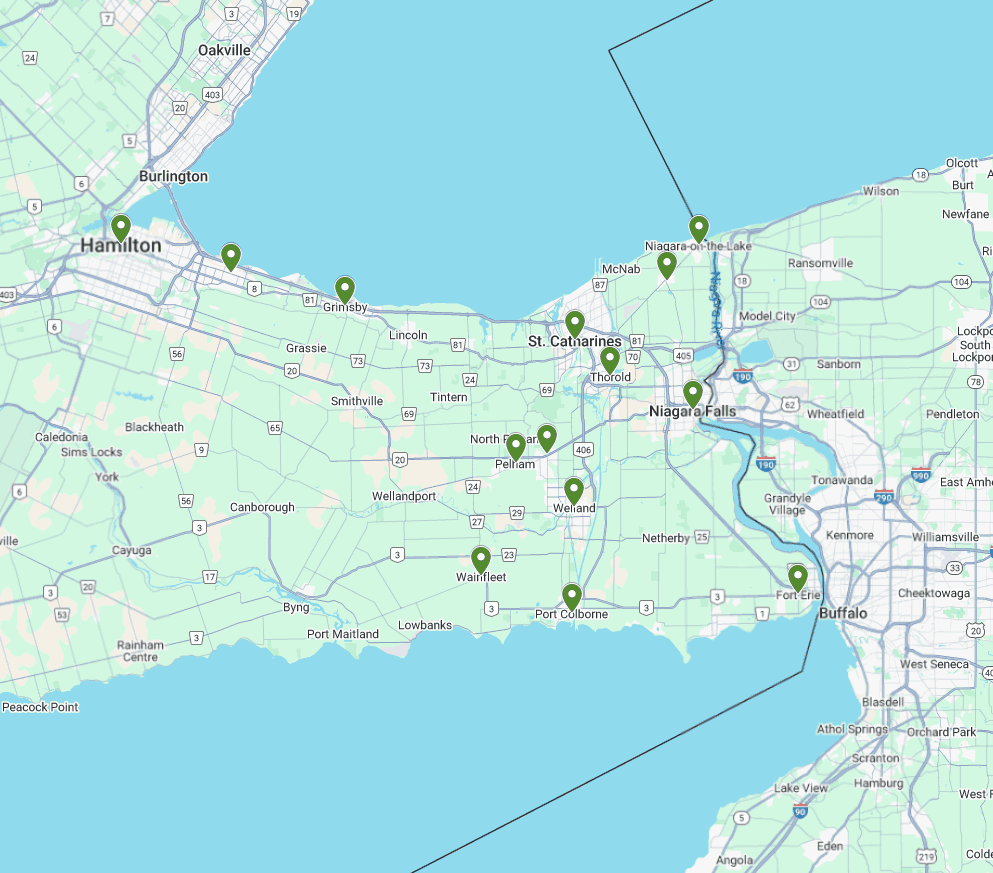
Our service areas encompass a wide range of locations, ensuring that we can meet the needs of our clients wherever they are. From bustling urban centers to serene rural landscapes, we are committed to providing top-notch services tailored to each unique environment.