



Comprehensive furnace installation guidance for Fonthill, ON, detailing how professional sizing, equipment selection, and ductwork fit ensure reliable, efficient heat. It covers common installation types, pre-install assessments, and code-compliant steps, with attention to Ontario requirements and local practices. It describes post-install testing, commissioning, warranties, and maintenance tips that preserve performance and safety. Readers gain a clear understanding of the installation sequence, expected outcomes, and long-term value of a properly designed and installed furnace system.
-min.jpeg)
Furnace Installation in Fonthill, ON
A properly installed furnace is the foundation of reliable, efficient home heating — especially in Fonthill, ON where cold winters and older housing stock make durable heating essential. This page explains professional furnace installation in Fonthill, ON: what a full installation includes, common local issues, code and safety considerations, and the long-term benefits of having the right system sized and installed correctly.
Common furnace installation types in Fonthill homes
- Furnace replacement (end of life or repeated breakdowns)
- New construction or added living space requiring a new heating system
- Upgrades to high-efficiency condensing furnaces to lower energy bills
- Conversion between fuel types or switching to a variable-speed blower and modern controls
- Retrofits that include ductwork improvements or zoning for multi-level homes
Fonthill homeowners often choose high-efficiency natural gas condensing furnaces when natural gas is available, because Niagara Region winters and rising energy costs make operating efficiency an important long-term consideration.
Pre-install assessment: what technicians check before installation
A thorough pre-install assessment prevents common problems after install and ensures compliance with Ontario requirements.
- Home heating load calculation (Manual J style) to determine correct furnace size for your specific home
- Fuel type verification and gas-line capacity checks where applicable
- Inspection of existing ductwork for leaks, undersizing, or insulation needs
- Venting path evaluation (chimney condition, direct-vent options, or PVC for condensing furnaces)
- Combustion air availability, attic/basement clearances, and mechanical-room layout
- Permit and inspection requirements under the Ontario Building Code and local Pelham/Fonthill municipal practices
Equipment selection and correct sizing for Fonthill homes
Correct sizing and proper equipment choices are critical. Oversized furnaces cycle frequently, increasing wear and reducing comfort; undersized units won’t maintain temperature during cold snaps common in the Niagara area.
- Sizing: based on a load calculation that accounts for insulation, windows, home orientation, and local climate
- Efficiency: AFUE ratings; high-efficiency condensing furnaces (90%+ AFUE) recover heat from combustion gases and reduce fuel costs
- Features: two-stage or modulating burners and variable-speed blowers improve comfort and reduce energy use in smaller, milder heating loads
- System compatibility: match furnace output to ductwork capacity and existing thermostat or smart control systems
Code-compliant installation steps
Professional installation follows building and gas codes to protect occupants and ensure performance.
- Obtain required permits and schedule municipal inspections as required by the Ontario Building Code
- Proper gas connection with pressure testing and leak checks
- Correct venting and flue termination: condensing furnaces commonly use PVC venting and need a condensate drain; non-condensing units may need a lined chimney or Category I venting
- Combustion air management and clearances per manufacturer directions
- Electrical connections, grounding, and installation of safety controls and switches
- Installation of carbon monoxide alarms and adherence to local CO detector rules
Ductwork and venting considerations
Ductwork is frequently the unsung factor that determines system comfort and efficiency.
- Duct sealing and insulation: reduces heat loss and improves airflow, important in Fonthill homes with unconditioned basements or attics
- Properly sized supply and return ducts to match furnace airflow
- Balancing dampers and return placement to avoid cold spots
- Vent termination location and clearance requirements to avoid exhaust recirculation or moisture issues on exteriors
Post-install testing and commissioning
After mechanical installation, a full commissioning process verifies safe operation and efficiency.
- Start-up and safety checks: gas pressure test, electrical checks, and confirmation of safety interlocks
- Airflow and static pressure measurements to ensure balanced distribution
- Combustion analysis (CO monitoring) and efficiency verification where applicable
- Thermostat setup, zoning calibration, and homeowner orientation on operation and filters
- Documentation of installed equipment model numbers, serials, and maintenance recommendations
Warranty coverage and documentation
Understand the difference between manufacturer and installer warranties and what keeps them valid.
- Manufacturer warranty: covers parts for a specified period; registration is often required soon after installation
- Installer warranty: may cover workmanship and labor for a separate period
- Maintenance obligations: routine servicing is typically required to maintain warranty coverage (annual tune-ups, filter changes)
- Keep records of service visits and the warranty registration documents provided at commissioning
Cleanup procedures and job-site care
Quality installers protect your home and leave the job site clean.
- Floor protection, containment of dust, and careful removal of old equipment
- Proper disposal of old furnaces and refrigerants (where applicable) according to regulations
- Final walkthrough to explain system operation and hand over paperwork
Why professional, timely furnace installation matters in Fonthill
- Reliability during cold spells: a correctly installed system lowers the risk of mid-winter failures
- Lower heating costs: proper sizing and high-efficiency equipment reduce fuel use over the life of the unit
- Improved comfort and indoor air quality: correct airflow and filtration reduce cold spots and dust distribution
- Safety and compliance: minimizes carbon monoxide risks and ensures municipal code adherence
- Long-term value: an efficient, well-installed system supports resale value and fewer unexpected repairs
Maintenance and long-term tips
- Annual service visits to maintain efficiency and warranty eligibility
- Replace high-quality filters regularly and consider higher-MERV filters if indoor air quality is a concern
- Seal and insulate ducts in unconditioned spaces
- Consider a programmable or smart thermostat to optimize run times for off-peak temperatures and vacations
A professional, code-compliant furnace installation in Fonthill, ON protects your comfort, safety, and energy budget. Proper assessment, correct equipment selection and sizing, careful duct and vent work, and comprehensive commissioning are the steps that turn a new furnace into dependable heat for winters ahead.

Customer Testimonials

We had an amazing experience getting our new furnace installed with Niagara Home Heating. The owner was very helpful, their quote was more then competitive and the technician who installed the unit was professional and friendly. I would recommend their services.

I have used Niagara Home heating for multiple projects for over 16 years. John and his staff are absolutely the best. I tell all my friends and family about Niagara Home Heating because you won’t get any better service or pricing anywhere in Niagara. He has saved me thousands and thousands of dollars and has never let me down.
Very efficient company. I needed an old solar water heater removed from my roof. They were quick to book an appointment for the next day after I sent photos. They were very knowledgeable of the issue. The 2 guys that came were friendly and competent with the job, including removal of all parts.
I had an issue with my hot water tank and called Niagara Home Heating. Their service was fantastic and reasonably priced—exactly how a business should be run!
Lifesavers!! The AC in our house decided to quit the day we were passing the keys to the new owners!! Instead of making a service call to the house, John coached me through the minor repair over the phone, saving me the money and time waiting for a repair person to come.Much appreciated! Thanks again John
I called John today at 2:pm as my AC was not working and I wasn’t expecting even a call back as I knew with this hot weather we have had he would be swamped with calls. Well he called me back and showed at 8:pm on the same day to fix my AC. That is just incredible service and how much John really cares about his clients. Thank you John !

Service Areas
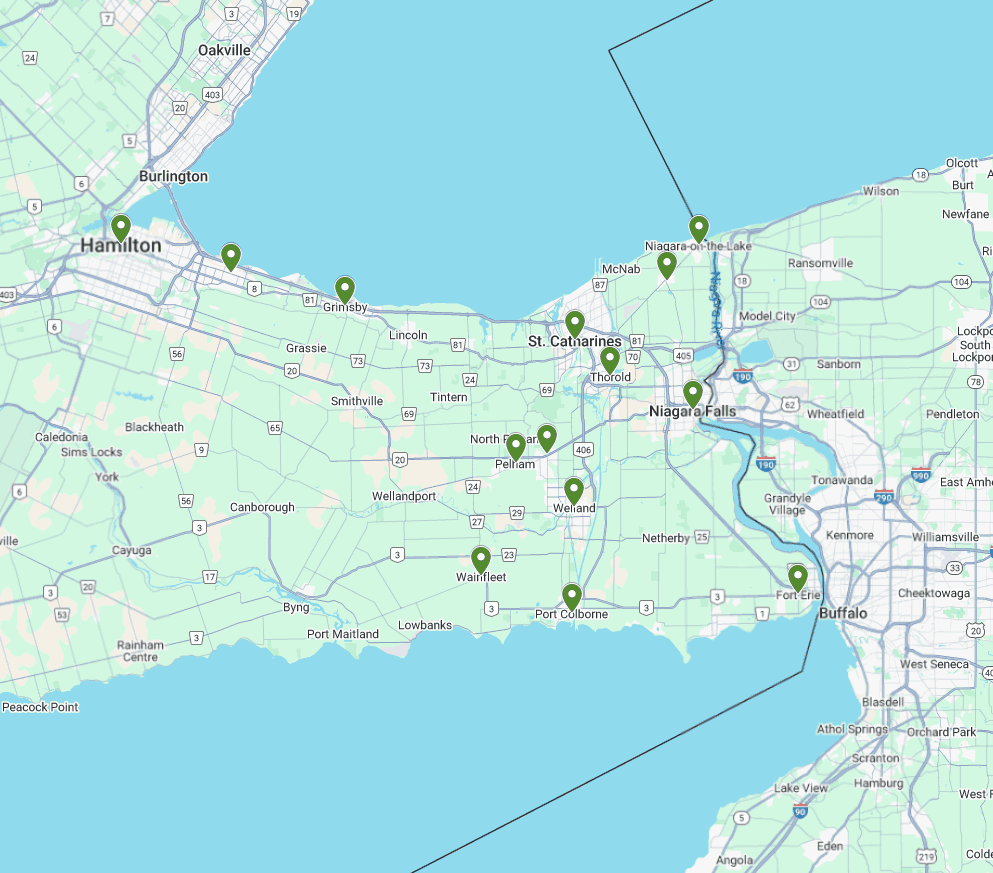
Our service areas encompass a wide range of locations, ensuring that we can meet the needs of our clients wherever they are. From bustling urban centers to serene rural landscapes, we are committed to providing top-notch services tailored to each unique environment.