



Emergency furnace repair services in Pelham, ON provide fast, 24/7 response to restore heat and address urgent safety hazards. It describes common issues like no heat, safety shutdowns, ignition faults, blower failures, venting problems, and potential CO risks, followed by on-site diagnostic steps, from visual inspections to gas detection and error-code checks. It contrasts temporary fixes with permanent repairs and describes safety checks, carbon monoxide testing, and what customers can expect during and after an emergency visit.
-min.jpeg)
furnace emergency-furnace-repair in Pelham, ON
When your furnace fails in the middle of a Pelham winter, it is more than inconvenient — it’s a safety and comfort emergency. Emergency furnace repair in Pelham, ON focuses on fast, 24/7 rapid-response service to restore heat, protect your home from freeze damage, and address any immediate safety hazards such as carbon monoxide or gas leaks. This page explains common urgent furnace issues in Pelham, how on-site diagnostics work, the difference between temporary fixes and full repairs, critical safety checks, and what to expect when emergency help arrives.
Common emergency furnace issues in Pelham, ON
- Complete system failure / no heat: The furnace won’t start at all during freezing nights. Causes include failed ignition systems, control board faults, or electrical supply problems. Loss of heat during sub-zero nights increases risk of frozen pipes in older Pelham homes.
- Safety shutdowns and short cycling: The system starts then immediately shuts off. Often caused by blocked airflow, a failing limit switch, or a dirty flame sensor. Short cycling reduces life expectancy and can cause an unsafe operating condition.
- Ignition, pilot, or flame detection problems: Modern furnaces use electronic ignition; failures here leave the home without heat and may show error codes. Older pilot systems can be affected by drafts or a dirty pilot orifice.
- Blower or motor failure: No air movement even with the furnace running. This can be an electrical fault, seized motor, or capacitor failure and requires immediate attention to avoid overheating.
- Combustion and venting problems: Blocked chimneys, bird nests, or frozen high-efficiency PVC vents can force combustion gases back into the home, creating dangerous conditions.
- Possible carbon monoxide (CO) issues: Cracked heat exchangers or improper venting can lead to CO production. Even intermittent symptoms like headaches or persistent odors warrant emergency evaluation.
- Condensate and drainage freezes: High-efficiency furnaces create condensate which can freeze in outdoor lines in extreme cold, causing system lockouts.
On-site diagnostic procedures for emergency calls
Technicians follow a safety-first triage to identify immediate hazards and restore safe operation:
- Rapid visual inspection of the unit, venting, and surrounding area for signs of fire, corrosion, or blockages.
- Check for gas smell or leak indicators and use gas detection tools if needed.
- Read diagnostic error codes from the furnace control board and check the thermostat, breakers, and switches.
- Test ignition components, flame sensors, and gas valve operation.
- Verify airflow by inspecting filters, blower operation, and duct obstructions.
- Perform combustion and carbon monoxide readings when there is any indication of improper combustion or occupant symptoms.
- Document findings clearly and explain immediate risks versus recommended full repairs.
Immediate temporary fixes versus full repairs
Emergency technicians aim to make your home safe and warm right away while identifying durable solutions:
- Typical temporary measures: resetting controls safely, clearing condensate lines, replacing a disposable filter, cleaning flame sensors for a reliable ignition, or installing a temporary bypass to restore limited heat.
- When a temporary fix is applied, technicians will explain limitations and the risk of continued operation until a permanent repair is completed.
- Permanent repairs: replacing failed control boards, motors, heat exchangers, gas valves, or complete furnace replacement when components are unsafe or beyond repair.
- In cases of suspected gas leaks or heat exchanger failure, the recommended permanent solution may include shutting off and isolating the furnace until full replacement or repair is possible.
Carbon monoxide and safety checks
Carbon monoxide is an invisible, odorless threat that emergency furnace services prioritize:
- Technicians perform CO testing both at the furnace and in living areas when combustion problems are suspected.
- Heat exchanger inspection, vent integrity evaluation, and combustion efficiency tests are part of a thorough safety assessment.
- If dangerous CO levels are detected, standard protocol is to ventilate the space, evacuate occupants, and secure the system until the source is fixed.
- Install and maintain CO detectors on every level of the home and ensure they are functioning before cold weather hits to reduce emergency risk.
What to expect during an emergency furnace visit in Pelham
- Rapid-response teams perform an initial safety triage and communicate the immediate condition of the system and any hazards observed.
- The technician will outline the problem, explain short-term measures taken to restore safe heat, and present options for permanent repair or replacement in clear, non-technical language.
- Some repairs are completed on the first visit when parts are available; other situations require ordering parts or scheduling follow-up service. For Pelham homes during severe weather, supply and travel conditions can affect turnaround.
- Technicians also provide guidance on short-term homeowner actions (for example, safe use of supplemental heating and steps to protect plumbing) without performing unsafe tasks on-site.
Local considerations for Pelham, ON homeowners
Pelham’s cold winters and the character of local housing affect emergency furnace needs:
- Older homes in Pelham may still have aging furnaces, non-code venting, or dated controls that raise emergency risk.
- Sub-zero nights and winter storms can cause power outages that affect furnace electronic controls and lead to freeze-related emergencies.
- High-efficiency furnaces common in newer installations are vulnerable to condensate line freezes in extreme cold; quick diagnosis is needed to avoid repeated lockouts.
- Rural and semi-rural properties may experience longer travel times during storms, making preventative maintenance and a tested CO detector system especially important.
Preventing emergency furnace calls
Regular, proactive maintenance reduces the chance of a crisis:
- Annual pre-winter safety inspections catch worn parts, cracked heat exchangers, and venting issues before failure.
- Replace filters regularly and keep return vents clear to prevent airflow-related shutdowns.
- Test CO detectors and smoke alarms seasonally and replace batteries as needed.
- Address unusual noises, odors, or efficiency drops promptly—early repairs are less disruptive and less expensive than emergency replacements.
Emergency furnace repair in Pelham, ON is about restoring heat quickly and safely while identifying the root cause to prevent repeat breakdowns. Proper safety checks, immediate triage, and clear explanations of temporary versus permanent solutions are essential components of any emergency service. Prioritizing yearly maintenance and functioning carbon monoxide detection will reduce the likelihood of urgent winter failures and help protect your home and family during Pelham’s coldest months.

Customer Testimonials

I have used Niagara Home heating for multiple projects for over 16 years. John and his staff are absolutely the best. I tell all my friends and family about Niagara Home Heating because you won’t get any better service or pricing anywhere in Niagara. He has saved me thousands and thousands of dollars and has never let me down.

I called John today at 2:pm as my AC was not working and I wasn’t expecting even a call back as I knew with this hot weather we have had he would be swamped with calls. Well he called me back and showed at 8:pm on the same day to fix my AC. That is just incredible service and how much John really cares about his clients. Thank you John !
Very efficient company. I needed an old solar water heater removed from my roof. They were quick to book an appointment for the next day after I sent photos. They were very knowledgeable of the issue. The 2 guys that came were friendly and competent with the job, including removal of all parts.
We had an amazing experience getting our new furnace installed with Niagara Home Heating. The owner was very helpful, their quote was more then competitive and the technician who installed the unit was professional and friendly. I would recommend their services.
Lifesavers!! The AC in our house decided to quit the day we were passing the keys to the new owners!! Instead of making a service call to the house, John coached me through the minor repair over the phone, saving me the money and time waiting for a repair person to come.Much appreciated! Thanks again John
I had an issue with my hot water tank and called Niagara Home Heating. Their service was fantastic and reasonably priced—exactly how a business should be run!

Service Areas
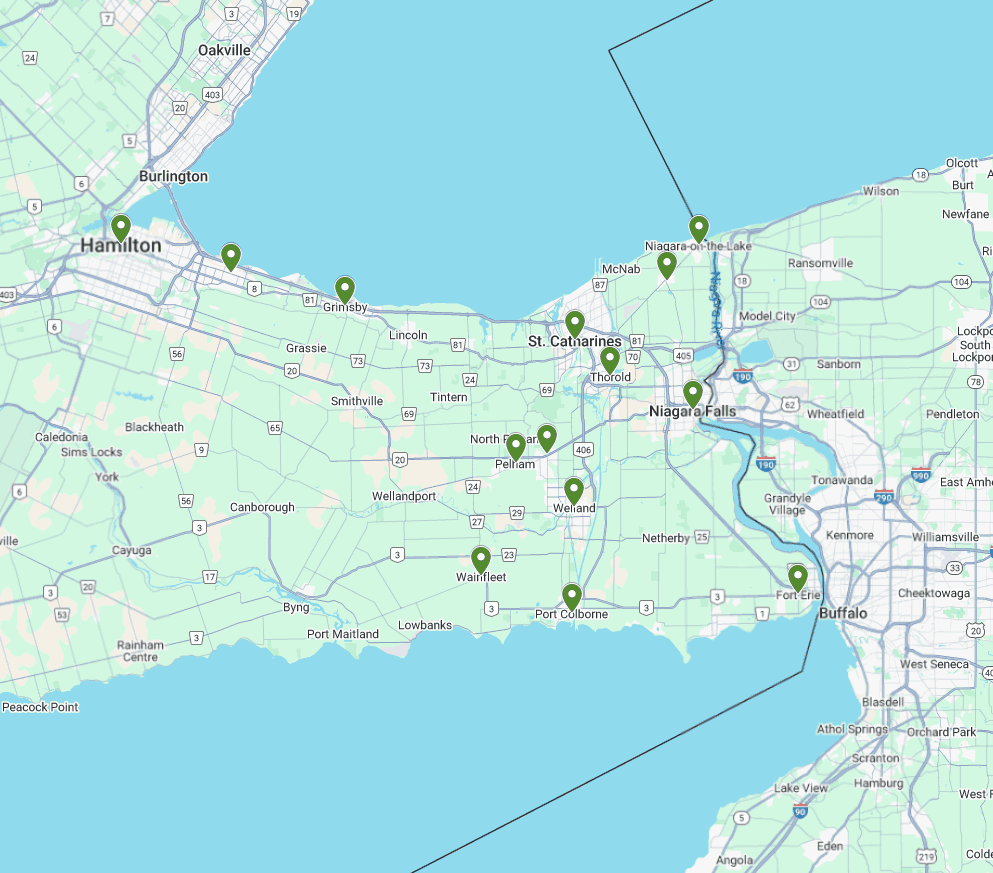
Our service areas encompass a wide range of locations, ensuring that we can meet the needs of our clients wherever they are. From bustling urban centers to serene rural landscapes, we are committed to providing top-notch services tailored to each unique environment.