



Pelham heating installation guidance describes a comprehensive process from on-site evaluation to final commissioning. It emphasizes climate considerations, selecting efficient equipment, accurate Manual J load calculations, and proper ductwork and venting upgrades. The guide covers permitting, inspections, and code compliance, plus safety measures, fuel options, and technician qualifications. Step-by-step installation practices focus on clean job sites, correct clearances, and thorough testing of performance and efficiency. When completed to code and standards, the system delivers comfort, energy savings, and reliable operation for years.
.jpeg)
Heating installation in Pelham, ON
Replacing or installing a new heating system is one of the most important investments you make in your home. In Pelham, ON, where cold winter nights and fluctuating seasonal temperatures place heavy demand on heating equipment, a correctly selected and professionally installed system delivers reliable comfort, lower energy costs, and improved indoor air quality. It describes what a comprehensive heating installation in Pelham, ON looks like, how decisions are made, and what you should expect from site inspection through commissioning and warranty documentation.
Why location matters: Pelham climate and home characteristics
Pelham is part of the Niagara Region with moderately cold winters, humidity swings, and occasional freeze-thaw cycles that affect system performance and distribution. Many homes in Pelham are older and may require upgrades to ductwork, venting, or insulation during a new heating system installation. New construction and renovation projects also create opportunities to choose high-efficiency heat pumps, modern condensing furnaces, or hybrid systems that balance low operating costs and consistent warmth.
Common heating installation types and common issues in Pelham
- High-efficiency natural gas furnaces (condensing furnaces) for homes with natural gas connections
- Electric furnaces and baseboard systems in areas without gas access
- Air-source and ground-source heat pumps for energy savings and reversible heating/cooling
- Hybrid systems combining a heat pump with a gas furnace for peak cold-weather performance
- Boiler and hydronic systems for homes with radiators or in-floor heating
Common installation issues seen in the Pelham area:
- Undersized or oversized equipment leading to short-cycling or poor comfort
- Inadequate ductwork or unsealed ducts causing heat loss and pressure problems
- Improper combustion venting and flue sizing for gas appliances
- Poor thermostat placement and control setup reducing efficiency
- Lack of proper permits or code compliance during renovations
Site inspection, load calculations, and correct system sizing
A thorough installation starts with an on-site evaluation. Key steps include:
- Visual inspection of existing equipment, ductwork, combustion air pathways, and venting.
- Measuring living space, insulation levels, window types, and orientation to perform a Manual J load calculation. This calculation determines the exact heating capacity required so the system is neither over- nor under-sized.
- Assessing ductwork condition and static pressure to determine if improvements or reconfiguration are needed.
- Evaluating fuel availability (natural gas, propane, electric) and electrical service capacity for heat pump or hybrid system options.
Accurate load calculations and system sizing are critical for comfort, efficiency, and equipment longevity in Pelham homes.
Permitting, inspections, and code compliance in Pelham, ON
Installation must comply with Ontario building and fuel safety codes and local municipal bylaws. The process typically includes:
- Obtaining required permits before work begins for new equipment, venting changes, or fuel conversions.
- Ensuring gas line alterations, combustion venting, and electrical connections are performed by licensed technicians.
- Scheduling municipal inspections where applicable to confirm code compliance and safe operation.
- Maintaining records of permits and inspection reports for warranty and resale purposes.
Proper permitting protects homeowners from liability and ensures the installation meets safety and efficiency standards.
Step-by-step installation practices
A professional heating installation generally follows these steps:
- Pre-installation preparation: move furniture, protect floors, and isolate the work area.
- Remove old equipment and responsibly dispose of or recycle components.
- Modify or upgrade ductwork, vents, and flues as required by the new system.
- Install the new furnace, heat pump, boiler, or hybrid components in the designated space with correct clearances.
- Connect fuel lines, combustion ventilation, condensate drains, and electrical wiring to code.
- Install controls, thermostats, and zone dampers if applicable.
- Clean up the work area and protect finished surfaces before final checks.
Attention to drilling, fastening, sealants, and insulation details prevents common problems like air leaks, moisture buildup, and corrosion.
Installer qualifications and on-site safety measures
Qualified technicians should hold appropriate trade certifications, gas fitter licensing where required, and up-to-date safety training. On-site safety practices include:
- Lockout/tagout procedures for electrical systems.
- Pressure testing of gas lines and leak-checking after connections.
- Proper handling and disposal of refrigerants and combustible materials.
- Carbon monoxide testing and installation of detectors adjacent to combustion appliances.
- Clear documentation of work performed, including test results and final settings.
Requesting proof of license and insurance is a reasonable expectation when selecting an installer.
Commissioning, efficiency testing, and performance verification
Commissioning is the final and most important technical phase:
- Verify correct system capacity, burner/heat pump settings, and airflow using diagnostic tools.
- Measure combustion efficiency and flue gas temperatures for gas-fired equipment.
- Balance air distribution to ensure even temperatures throughout the home.
- Verify electrical draw and starting currents for motors and compressors.
- Program thermostats, zoning schedules, and energy-saving settings for optimal performance.
A properly commissioned system runs more efficiently, reduces utility bills, and minimizes callbacks.
Warranty coverage, documentation, and homeowner records
Comprehensive installations include documentation that should be retained:
- Manufacturer’s equipment warranty details and any registration receipts.
- Labour or installation warranty terms and duration.
- Copies of permits, inspection reports, and commissioning test results.
- Recommended maintenance schedule to preserve warranty coverage.
Understanding what the manufacturer covers versus what the installer warranties helps avoid surprises later.
Financing, incentives, and promotional options in the Niagara Region
Many homeowners in Pelham finance major HVAC upgrades or choose payment plans to spread costs. In addition, provincial and federal efficiency incentives or rebate programs for high-efficiency furnaces and heat pumps may be available periodically. Financing options and rebate eligibility often depend on equipment type, installation details, and whether work meets program requirements. Including eligibility checks and paperwork support in the planning phase ensures you capture available savings.
Long-term benefits and maintenance advice
A correctly installed heating system improves comfort, reduces energy consumption, and lowers operating costs over the system’s life. Regular maintenance prolongs service life and includes annual safety checks, filter changes, combustion testing, and duct inspections. For Pelham homes, consider addressing insulation and air sealing at the time of installation to maximize efficiency gains.
Heating installation in Pelham, ON requires careful planning, accurate sizing, strict code compliance, and thorough commissioning to deliver dependable warmth and energy savings. When the inspection, installation, and testing are completed to professional standards, homeowners gain comfort, safety, and predictable performance for years to come.

Customer Testimonials

I had an issue with my hot water tank and called Niagara Home Heating. Their service was fantastic and reasonably priced—exactly how a business should be run!

I have used Niagara Home heating for multiple projects for over 16 years. John and his staff are absolutely the best. I tell all my friends and family about Niagara Home Heating because you won’t get any better service or pricing anywhere in Niagara. He has saved me thousands and thousands of dollars and has never let me down.
We had an amazing experience getting our new furnace installed with Niagara Home Heating. The owner was very helpful, their quote was more then competitive and the technician who installed the unit was professional and friendly. I would recommend their services.
Lifesavers!! The AC in our house decided to quit the day we were passing the keys to the new owners!! Instead of making a service call to the house, John coached me through the minor repair over the phone, saving me the money and time waiting for a repair person to come.Much appreciated! Thanks again John
Very efficient company. I needed an old solar water heater removed from my roof. They were quick to book an appointment for the next day after I sent photos. They were very knowledgeable of the issue. The 2 guys that came were friendly and competent with the job, including removal of all parts.
I called John today at 2:pm as my AC was not working and I wasn’t expecting even a call back as I knew with this hot weather we have had he would be swamped with calls. Well he called me back and showed at 8:pm on the same day to fix my AC. That is just incredible service and how much John really cares about his clients. Thank you John !

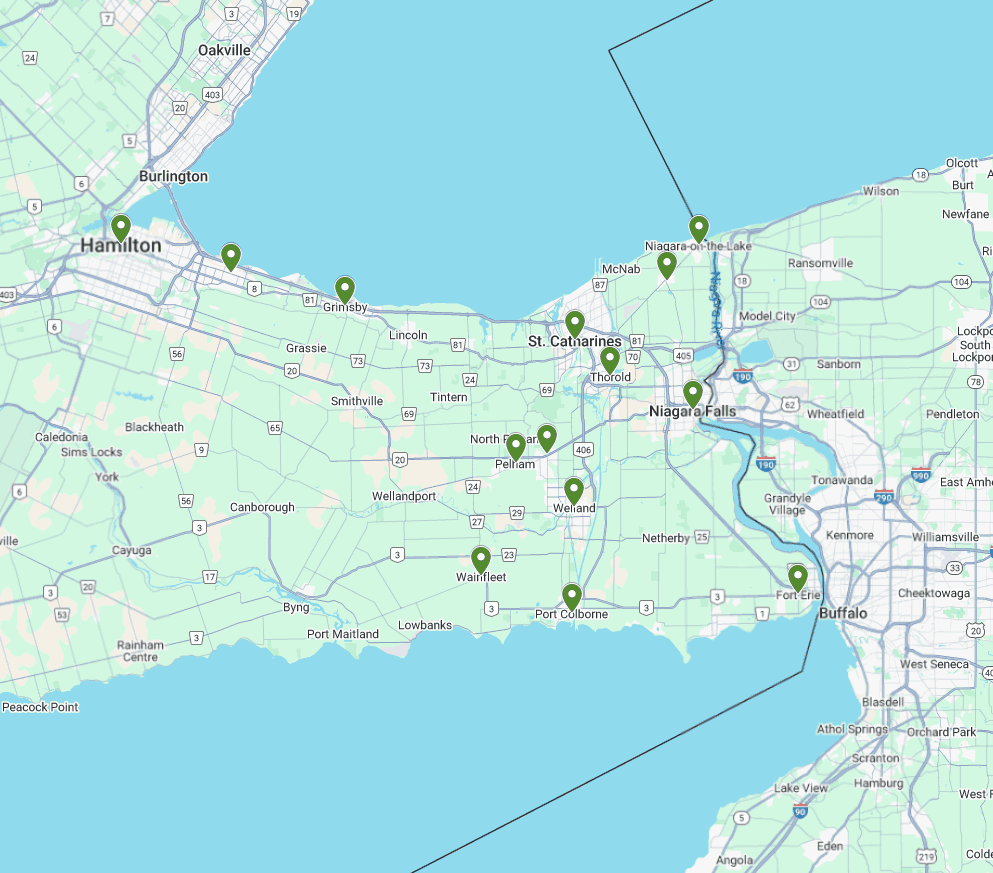
Service Areas
Our service areas encompass a wide range of locations, ensuring that we can meet the needs of our clients wherever they are. From bustling urban centers to serene rural landscapes, we are committed to providing top-notch services tailored to each unique environment.