



Pelham furnace service delivers safety, comfort, and efficiency by diagnosing and repairing ignition systems, blowers, control boards, burners, and safety switches. Typically includes maintenance, tune-ups, and filter checks to maximize reliability and fuel efficiency, with emergency support for no-heat or safety alarms. The diagnostic visit involves visual inspection, safety checks, start-up observation, electrical testing, and airflow assessment to produce a clear, actionable report. When repairs aren't sufficient, expert guidance helps determine whether replacement offers better long-term value.
-min.jpeg)
furnace service in Pelham, ON
Keeping your furnace running safely and efficiently is essential in Pelham, ON. Cold winters, lake effect snow, and sudden temperature swings mean your heating system works hard for long stretches. Professional furnace service in Pelham, ON helps prevent breakdowns during peak demand, reduces energy bills, and protects your family from safety risks like carbon monoxide. This page explains the furnace services typically offered, common local issues, how technicians diagnose and repair problems, what to expect from maintenance and replacements, and practical steps for scheduling routine or urgent service.
Why furnace service matters in Pelham, ON
- Pelham homes face prolonged cold periods and occasional deep freezes that put extra stress on aging furnaces.
- Higher run times increase wear on components such as blowers, ignitors, and heat exchangers.
- Proper service improves comfort, lowers fuel use, and reduces the risk of no-heat emergencies when temperatures drop.
- Regular inspections detect safety concerns early, including combustion problems that can create carbon monoxide risks.
Common furnace problems in Pelham homes
- Uneven heating or cold rooms due to airflow restrictions or duct issues.
- Furnace short cycling where the unit turns on and off rapidly, often from a dirty filter, faulty thermostat, or failing control board.
- No heat or intermittent heat caused by ignition failures, clogged burners, or fuel supply interruptions.
- Excessive noise from worn bearings in the blower motor, loose panels, or aging belts.
- Frequent pilot light or ignition errors, more common in older systems.
- Rising energy bills from decreased efficiency, worn components, or poor combustion tuning.
- Safety concerns such as unusual gas odors, or carbon monoxide alarm activations.
Types of furnace services offered
- Diagnostics and repairs: full system evaluations to identify root causes and perform targeted repairs on ignition systems, blowers, motors, control boards, burners, and safety switches.
- Scheduled maintenance and tune-ups: seasonal checks that include cleaning, lubrication, filter inspection, airflow testing, and combustion adjustments to maximize efficiency and reliability.
- Installations and replacements: removal and replacement of inefficient or unsafe furnaces with properly sized, modern equipment optimized for local home heating loads.
- Emergency support: rapid response services for no-heat situations or safety alarms, with triage steps to protect your home until repairs or replacement can be completed.
- Safety testing: combustion analysis and carbon monoxide testing to ensure safe operation.
What a diagnostic visit looks like
Common repairs and solutions explained simply
- Ignitor or pilot replacement: modern furnaces use electronic ignitors that can wear out. Replacing these restores reliable starts.
- Blower motor service: cleaning, bearing replacement, or motor replacement improves airflow and reduces noise.
- Control board and sensor fixes: modern furnaces rely on electronics and safety sensors; replacing faulty boards or sensors resolves erratic behavior.
- Burner cleaning and adjustment: soot or debris reduces efficiency; a tuned burner burns cleaner and uses less fuel.
- Heat exchanger evaluation: small cracks can be a safety hazard. If the heat exchanger fails inspection, replacement is usually recommended for safety.
- Duct sealing and filter upgrades: improving airflow and filtration reduces cycling and improves indoor comfort.
When to repair versus replace
- Repair is often the best short-term option for isolated component failures on relatively new or well-maintained furnaces.
- Replacement should be considered when the furnace is near the end of its expected life, repairs are frequent, efficiency has dropped considerably, or if a major safety component like the heat exchanger is compromised.
- An expert will compare the cost of recommended repairs, remaining expected life, and energy savings from newer equipment to help determine the better long-term choice.
Maintenance benefits and recommended schedule
- Annual tune-ups before the heating season reduce emergency breakdown risk, improve efficiency, and extend equipment life.
- Seasonal filter checks or changes every 1 to 3 months depending on filter type and household conditions help maintain proper airflow.
- Regular maintenance lowers energy bills by ensuring combustion and airflow are optimized for your home.
- For Pelham homeowners, scheduling a fall inspection is particularly important to avoid cold-weather failures.
Emergency guidance and safety steps
- If you smell gas: leave the home immediately, avoid sparks or open flames, and follow local emergency procedures.
- If the furnace shuts down but no gas odor is present: check the thermostat, circuit breaker, and filter. If uncertain or if the system displays safety lockouts, secure professional help.
- If a carbon monoxide alarm activates: evacuate, get fresh air, and seek emergency assistance. Do not re-enter until the situation is cleared by a qualified technician.
Technician qualifications and guarantees
- Look for technicians who are licensed, trained in gas and electrical safety, and insured for homeowner protection.
- Technicians should carry modern diagnostic tools, participate in ongoing training, and be familiar with local heating conditions and codes.
- Professional service typically includes warranties on labor and parts and clear explanations of guarantees for both repairs and installations.
Pricing, financing, and rebates
- Service costs vary by the scope of work, parts required, and system accessibility. Detailed estimates should explain parts, labor, and warranty coverage.
- Many homeowners qualify for financing options or rebate programs for high-efficiency replacements; technicians can explain local programs and assist with paperwork where available.
- Transparent estimates and written service agreements help you compare options and plan for replacement or upgrades.
How to prepare for and book routine or urgent service
- Before booking, note your furnace make, model, serial number, approximate age, observed symptoms, and any recent service history. This information speeds diagnosis.
- For routine maintenance: ask for a fall appointment to ensure the furnace is inspected before heavy winter use.
- For urgent issues: isolate any immediate safety risks, shut off the unit if you detect gas odor or unsafe operation, and arrange emergency service through a qualified provider.
- Make a list of questions to ask the technician, such as expected life, efficiency improvements from replacement, and typical maintenance tasks you can perform between visits.
Regular professional furnace service in Pelham, ON protects comfort, safety, and budget. Understanding common issues, the diagnostic process, maintenance benefits, and how replacements are evaluated helps you make informed decisions for your home heating needs.

Customer Testimonials

Very efficient company. I needed an old solar water heater removed from my roof. They were quick to book an appointment for the next day after I sent photos. They were very knowledgeable of the issue. The 2 guys that came were friendly and competent with the job, including removal of all parts.

I had an issue with my hot water tank and called Niagara Home Heating. Their service was fantastic and reasonably priced—exactly how a business should be run!
I called John today at 2:pm as my AC was not working and I wasn’t expecting even a call back as I knew with this hot weather we have had he would be swamped with calls. Well he called me back and showed at 8:pm on the same day to fix my AC. That is just incredible service and how much John really cares about his clients. Thank you John !
We had an amazing experience getting our new furnace installed with Niagara Home Heating. The owner was very helpful, their quote was more then competitive and the technician who installed the unit was professional and friendly. I would recommend their services.
I have used Niagara Home heating for multiple projects for over 16 years. John and his staff are absolutely the best. I tell all my friends and family about Niagara Home Heating because you won’t get any better service or pricing anywhere in Niagara. He has saved me thousands and thousands of dollars and has never let me down.
Lifesavers!! The AC in our house decided to quit the day we were passing the keys to the new owners!! Instead of making a service call to the house, John coached me through the minor repair over the phone, saving me the money and time waiting for a repair person to come.Much appreciated! Thanks again John

Service Areas
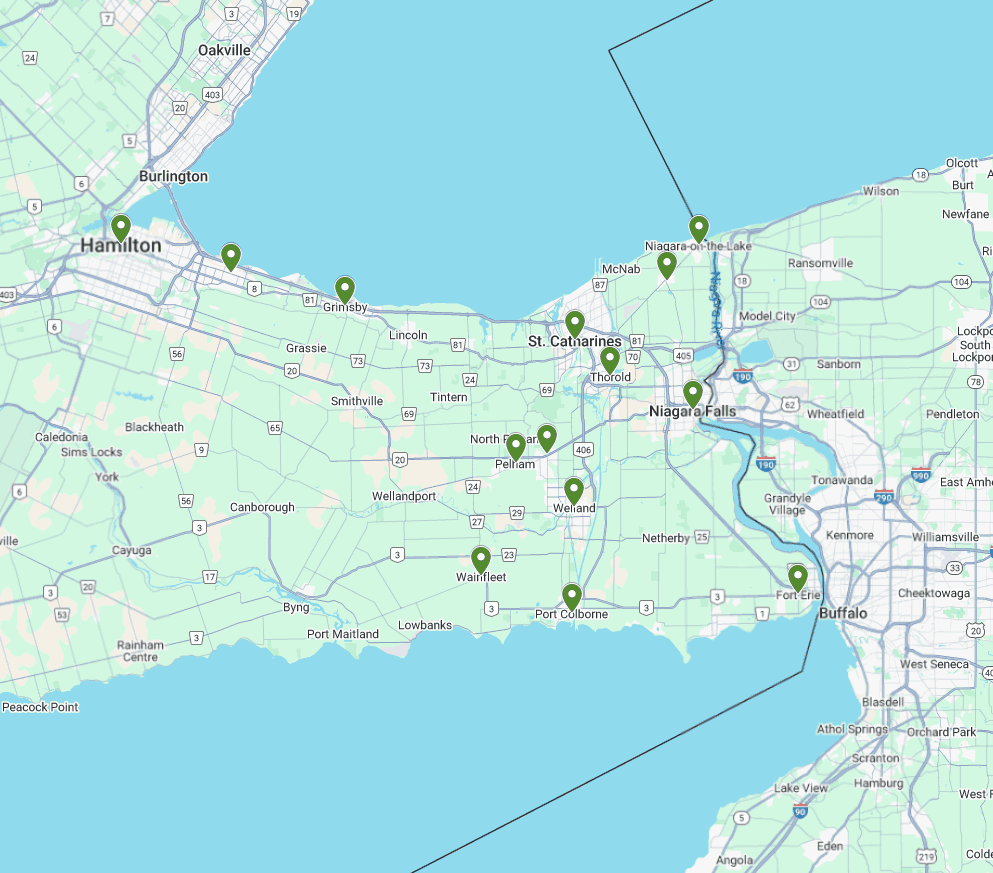
Our service areas encompass a wide range of locations, ensuring that we can meet the needs of our clients wherever they are. From bustling urban centers to serene rural landscapes, we are committed to providing top-notch services tailored to each unique environment.