



It describes the furnace replacement process for Pelham, ON, from initial on-site assessment to final installation and post-swap maintenance. It describes why homeowners replace furnaces, how load calculations (Manual J) and duct constraints determine capacity, and how energy-efficient models (high AFUE) and venting considerations influence choice. It covers professional installation steps, removal of old units, warranty and finance options, expected timelines, and tips to maximize performance and preserve reliability in Pelham’s cold seasons. This content is designed for homeowners seeking clarity and confidence.
-min.jpeg)
Furnace Replacement in Pelham, ON
Replacing a furnace is one of the most important investments you can make for year‑round comfort, lower energy bills, and reliable home heating. In Pelham, ON, where cold, damp winters and freeze-thaw cycles put extra strain on older heating systems, a properly sized, high‑efficiency furnace improves steady heat distribution and reduces breakdown risk. This page explains the furnace replacement process for Pelham homes: how systems are assessed, how a replacement is sized and selected, what to expect during installation and removal, and how to maintain performance after the swap.
Why Pelham homeowners replace furnaces
Common reasons for furnace replacement in Pelham, ON:
- Recurrent breakdowns or costly repairs on aging equipment (typical service life 12–20 years).
- Poor energy efficiency and rising natural gas bills during long heating seasons.
- Uneven heating, excessive drafts, or persistent cold spots caused by undersized equipment or degraded ductwork.
- Safety concerns such as cracked heat exchangers, repeated pilot/ignition failures, or frequent carbon monoxide sensor triggers.
- Desire to upgrade to quieter, variable‑speed, and more efficient models to improve indoor comfort and air quality.
Initial assessment: inspecting your existing system
A full furnace replacement begins with a thorough on‑site assessment:
- Visual inspection of the furnace cabinet, heat exchanger, burners, venting and flue, burner operation, and controls.
- Review of maintenance history and recent repair trends to determine remaining service life.
- Evaluation of existing ductwork condition, filters, vents and returns for leaks, insulation, and airflow restrictions.
- Measurement of current system capacity (BTU output) and verification of fuel type—natural gas is common in the Niagara Region, but oil and propane systems still exist in some Pelham homes.
This assessment identifies whether you need a straight unit swap or a more comprehensive upgrade (ductwork repairs, new thermostat wiring, or changes to venting).
Load and sizing calculations: getting capacity right
Correct sizing is critical. Oversized or undersized furnaces cause comfort and efficiency problems. Replacement in Pelham uses standardized load calculations (Manual J) that factor in:
- Home square footage, layout and ceiling height
- Insulation levels, window type and orientation
- Air infiltration rates and foundation/wall construction
- Local climate considerations (Pelham’s winter design temperatures and humidity)
- Desired indoor temperature and occupancy patterns
Technicians use the calculated heat loss to recommend a furnace sized to meet peak winter demand while minimizing short cycling. Where ductwork constraints exist, a properly matched system (Manual S) and blower selection ensure even heat distribution.
Choosing energy‑efficient models and brands
Options for Pelham homes include single‑stage, two‑stage, and modulating furnaces with varying AFUE (Annual Fuel Utilization Efficiency) ratings. Key considerations:
- AFUE: Higher AFUE means better fuel-to-heat conversion. Newer high‑efficiency furnaces often exceed 95% AFUE.
- Modulating burners and variable‑speed blowers: Provide steadier temperatures, quieter operation, and better humidity control during shoulder seasons.
- Compatibility: Ensure the furnace works with existing or upgraded thermostats, zoning controls and any heat pump integration.
- Venting type: Condensing high‑efficiency units require PVC venting and proper condensate management; non‑condensing units use traditional metal venting.
Well‑known brands are available locally and each has different warranty structures and feature sets. A technician will compare models based on efficiency, reliability, capacity, and long‑term operating cost.
Professional installation steps
A professional installation typically follows these stages:
Installers in Pelham follow local code requirements for gas connections, combustion air, and venting, accounting for regional cold‑weather best practices to prevent icing or venting issues.
Removal and disposal of the old unit
Removal includes safe disconnection, extraction, and responsible disposal or recycling of the old furnace per Ontario regulations. Refrigerants are not an issue with gas furnaces, but metallic scrap and electronic controls are recycled where possible. Documentation of disposal and component recycling is typically provided.
Warranty, rebates and financing options
Replacement projects generally include:
- Manufacturer warranties (parts and heat exchanger coverage vary by model).
- Optional extended labor warranties from the installing contractor.
- Guidance on available provincial, federal or utility incentive programs and rebates for high‑efficiency equipment (availability and eligibility change over time).
- Financing plans or payment options to spread installation costs; terms differ by provider.
Homeowners should review warranty terms carefully—what is covered, registration requirements and any maintenance obligations to keep warranties valid.
Expected timelines and pricing factors
Typical timelines:
- On‑site assessment and quote: 1 visit
- Scheduling lead time: a few days to a few weeks depending on season and part availability
- Installation day(s): 4–8 hours for a straightforward swap; up to 1–2 days for larger homes, ductwork modifications, or venting changes
Pricing varies with:
- Equipment efficiency and capacity
- Complexity of venting or gas piping changes
- Ductwork repairs, insulation upgrades, or added zoning
- Required permits and inspections
- Optional upgrades like smart thermostats or air filtration
A transparent written estimate should break out equipment, labor, materials, permit fees, disposal and any recommended duct repairs.
Post‑installation testing and homeowner operation tips
After installation, technicians perform:
- Combustion analysis (where applicable), pressure and leak checks, and safety interlock verification
- Airflow measurements and temperature rise checks to confirm proper operation
- System programming and thermostat calibration
Homeowner tips:
- Register the equipment for warranty and keep service records.
- Replace filters regularly and use the correct MERV rating recommended by the installer.
- Schedule annual preventive maintenance before the heating season to preserve efficiency and warranty coverage.
- Keep vents and returns unobstructed and monitor for unusual noises, odors, or cycling behavior.
Long‑term benefits and maintenance
A correctly sized, professionally installed furnace improves comfort, reduces fuel consumption, and lowers the frequency of emergency repairs—especially valuable in Pelham’s cold months. Regular maintenance, timely filter changes, and periodic duct inspections help maintain efficiency and protect warranty coverage, extending the life of your investment and ensuring reliable heat when you need it most.

Customer Testimonials

Very efficient company. I needed an old solar water heater removed from my roof. They were quick to book an appointment for the next day after I sent photos. They were very knowledgeable of the issue. The 2 guys that came were friendly and competent with the job, including removal of all parts.

I had an issue with my hot water tank and called Niagara Home Heating. Their service was fantastic and reasonably priced—exactly how a business should be run!
I have used Niagara Home heating for multiple projects for over 16 years. John and his staff are absolutely the best. I tell all my friends and family about Niagara Home Heating because you won’t get any better service or pricing anywhere in Niagara. He has saved me thousands and thousands of dollars and has never let me down.
We had an amazing experience getting our new furnace installed with Niagara Home Heating. The owner was very helpful, their quote was more then competitive and the technician who installed the unit was professional and friendly. I would recommend their services.
Lifesavers!! The AC in our house decided to quit the day we were passing the keys to the new owners!! Instead of making a service call to the house, John coached me through the minor repair over the phone, saving me the money and time waiting for a repair person to come.Much appreciated! Thanks again John
I called John today at 2:pm as my AC was not working and I wasn’t expecting even a call back as I knew with this hot weather we have had he would be swamped with calls. Well he called me back and showed at 8:pm on the same day to fix my AC. That is just incredible service and how much John really cares about his clients. Thank you John !

Service Areas
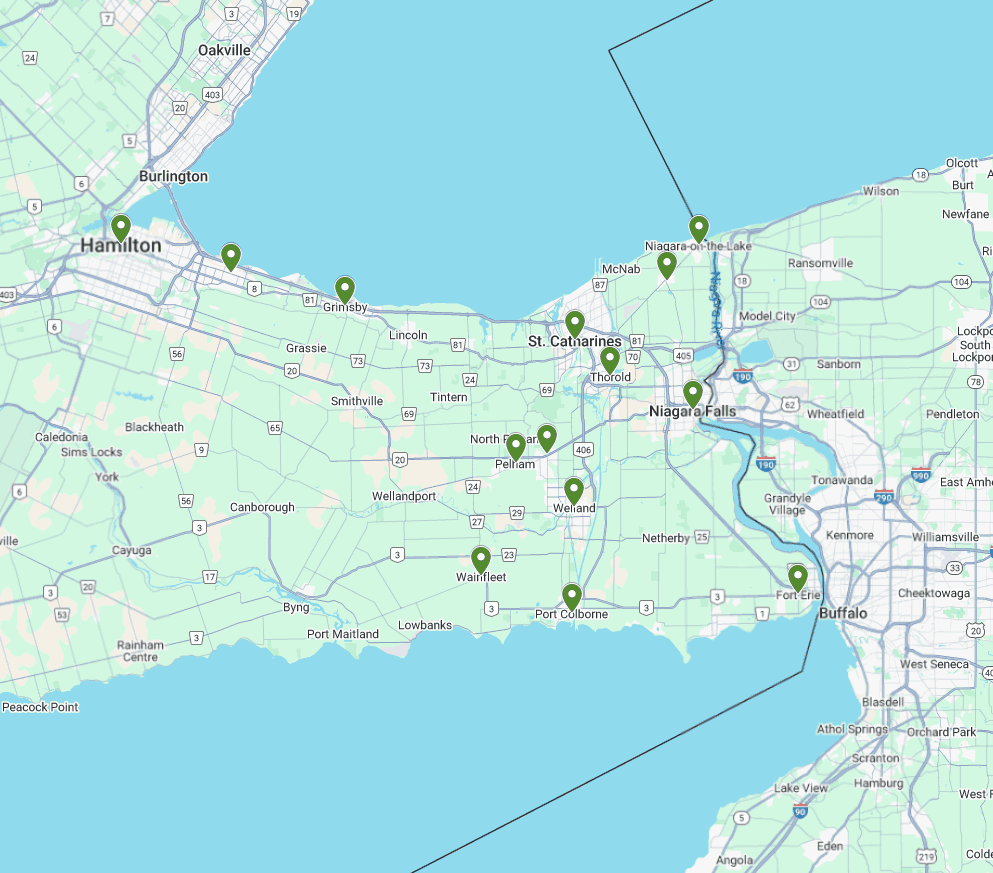
Our service areas encompass a wide range of locations, ensuring that we can meet the needs of our clients wherever they are. From bustling urban centers to serene rural landscapes, we are committed to providing top-notch services tailored to each unique environment.