



Pelham furnace repair pages cover diagnostics, common issues, and step-by-step troubleshooting used by professional technicians. The guide describes safety considerations, typical repair solutions, timing, and cost factors, along with warranty expectations. It highlights routine maintenance to prevent breakdowns and protect home comfort during cold seasons. Readers learn about ignition and blower problems, thermostat faults, and heat exchanger concerns, as well as how technicians assess gas and electrical components. The goal is reliable heat, safety, and cost-efficient decisions for Pelham homeowners.
.jpeg)
furnace repair in Pelham, ON
Keeping your furnace running reliably is essential in Pelham, ON, where cold winters and high heating demand mean a failure can make a home uncomfortably cold fast. This page explains professional furnace diagnostic and repair services, common furnace problems seen in Pelham homes, the step-by-step troubleshooting process technicians use, typical repair solutions and parts replacement, estimated repair times and cost factors, warranty expectations, and practical recommendations to prevent future breakdowns.
Why furnace repair in Pelham, ON matters
Pelham residents rely on dependable heating through long, wet winters and frequent cold snaps. Older systems or equipment that has not been serviced regularly are more likely to develop ignition problems, blower failures, thermostat issues, control board faults, or leaks. Timely furnace repair preserves safety, restores comfort, and prevents more expensive replacements down the road.
Common furnace repair issues in Pelham
- Ignition problems: No flame or intermittent ignition caused by faulty hot surface igniters, pilot assemblies, or gas valve failures. Symptoms include the furnace trying to start repeatedly then locking out.
- Blower motor and airflow failures: Weak airflow, strange noises, or no air at all from vents. Causes include failed motors, bad capacitors, worn belts (on older models), clogged filters, or dirty blower wheels.
- Thermostat and control issues: Incorrect temperature readings, short cycling, or wiring faults. Modern digital thermostats and smart controls can also present configuration or communication problems.
- Control board and electrical faults: Burnt relays, failed sensors, or corroded connections that prevent proper sequencing. Control board problems often cause multiple system failures and require careful diagnostics.
- Leaks and moisture problems: Condensing furnaces and older heat exchangers can develop condensate line clogs or cracks. Water or gas leaks are safety concerns and must be addressed immediately.
- Heat exchanger concerns: Cracks or corrosion in the heat exchanger are serious safety issues that often lead to replacement rather than repair due to carbon monoxide risk.
Step-by-step furnace diagnostic and troubleshooting process
A methodical inspection ensures accurate diagnosis and safe repair. Typical steps include:
Typical repair solutions and parts replacement
- Ignition system repairs: Replace hot surface igniters, pilot assemblies, flame sensors, or gas valves as needed.
- Blower and airflow fixes: Replace motors, capacitors, belts, or clean/replace blower wheels and filters.
- Control and thermostat fixes: Repair or replace thermostats, reset or replace control boards, and repair wiring or sensor elements.
- Sealing and ductwork: Patch small duct leaks, reconnect loose ducts, and improve insulation to restore airflow and efficiency.
- Condensate and leak repairs: Clear condensate lines, replace clogged traps or pumps, and address corrosion. If the heat exchanger is cracked, replacement of the furnace is often the safest option.
- Safety component replacement: Replace limit switches, pressure switches, and carbon monoxide-related components when required.
Parts are sourced to match the furnace brand and model, and technicians advise when repairs are temporary fixes versus when replacement is a more cost-effective long-term solution.
Estimated repair times and cost factors
- Typical repair times
- Minor repairs (filters, sensors, thermostats, flame sensors): 30 minutes to 2 hours.
- Moderate repairs (igniter, gas valve, blower motor replacement): 1 to 4 hours.
- Major repairs or multiple parts (control board, extensive ductwork, heat exchanger concerns): several hours to multiple days, particularly if parts must be ordered.
- Cost factors to expect
- Age and brand of the furnace — older or obsolete models often have higher parts costs or longer lead times.
- Accessibility — units in cramped or retrofit spaces increase labor time.
- Extent of damage — corrosion or heat exchanger cracks require more extensive work.
- Parts availability and whether original equipment manufacturer (OEM) or aftermarket parts are used.
- Complexity of electrical or gas components and required safety testing.
- Emergency or after-hours service can add to time and expense.
These variables determine whether a repair is a short fix or part of a broader replacement plan.
Warranty on repairs and parts
Most professional furnace repairs include a workmanship warranty for the labor portion, commonly ranging from several months up to a year, while replacement parts carry manufacturer warranties that vary by component. For example, motors and control boards may have different warranty lengths. Always confirm the warranty terms for parts and labor before proceeding so you understand coverage for follow-up service.
Recommendations to prevent future breakdowns in Pelham homes
- Schedule annual pre-winter inspections and maintenance to catch issues before the cold settles in.
- Replace or clean filters every 1 to 3 months depending on usage and indoor air quality.
- Keep areas around the furnace clear and ensure vents and outdoor intakes are free from snow and debris during winter.
- Calibrate or upgrade thermostats if short cycling or inconsistent temperatures occur.
- For condensing furnaces, periodically check condensate lines and traps for clogs and ensure proper drainage.
- Install and maintain carbon monoxide detectors near sleeping areas and the furnace room for safety.
- Consider retrofitting older furnaces with newer controls or more efficient replacements when repair frequency and parts cost start to climb.
Final notes on Pelham furnace repair
Professional furnace diagnostic and repair in Pelham, ON focuses on safety, restoring reliable heat quickly, and providing options that balance short-term repairs against long-term value. Proper diagnostics and regular maintenance reduce emergency calls during cold spells and extend equipment life, keeping Pelham homes safe and comfortable all winter.

Customer Testimonials

Lifesavers!! The AC in our house decided to quit the day we were passing the keys to the new owners!! Instead of making a service call to the house, John coached me through the minor repair over the phone, saving me the money and time waiting for a repair person to come.Much appreciated! Thanks again John

Very efficient company. I needed an old solar water heater removed from my roof. They were quick to book an appointment for the next day after I sent photos. They were very knowledgeable of the issue. The 2 guys that came were friendly and competent with the job, including removal of all parts.
I had an issue with my hot water tank and called Niagara Home Heating. Their service was fantastic and reasonably priced—exactly how a business should be run!
We had an amazing experience getting our new furnace installed with Niagara Home Heating. The owner was very helpful, their quote was more then competitive and the technician who installed the unit was professional and friendly. I would recommend their services.
I have used Niagara Home heating for multiple projects for over 16 years. John and his staff are absolutely the best. I tell all my friends and family about Niagara Home Heating because you won’t get any better service or pricing anywhere in Niagara. He has saved me thousands and thousands of dollars and has never let me down.
I called John today at 2:pm as my AC was not working and I wasn’t expecting even a call back as I knew with this hot weather we have had he would be swamped with calls. Well he called me back and showed at 8:pm on the same day to fix my AC. That is just incredible service and how much John really cares about his clients. Thank you John !

Service Areas
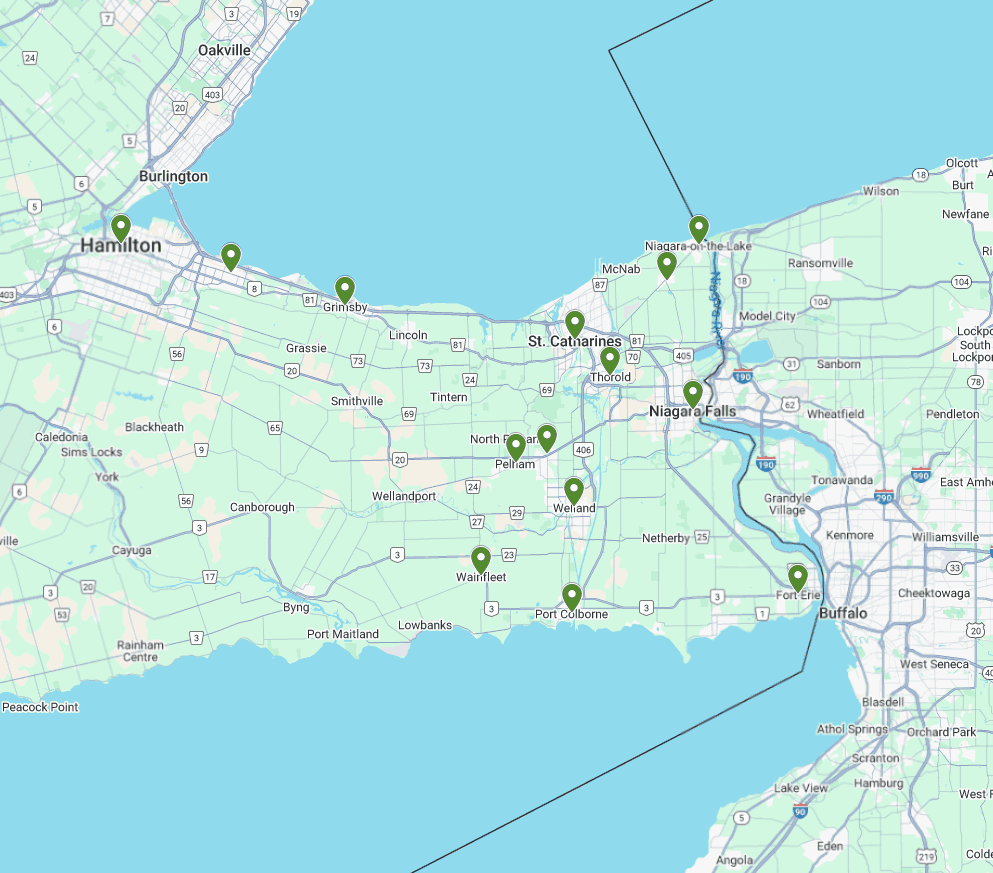
Our service areas encompass a wide range of locations, ensuring that we can meet the needs of our clients wherever they are. From bustling urban centers to serene rural landscapes, we are committed to providing top-notch services tailored to each unique environment.