



This service page describes the furnace installation process for Pelham, ON homes, highlighting proper sizing, professional loading calculations, and safe venting. It covers assessment, ductwork improvements, and system selection to maximize comfort and energy efficiency while protecting warranties. Readers learn about permitting, safety checks, installation sequence, and commissioning, plus maintenance handoff and long-term care. The content emphasizes selecting high-efficiency, compatible equipment and working with licensed technicians familiar with local codes and climate considerations. This guide helps homeowners plan confidently.
-min.jpeg)
furnace installation in Pelham, ON
Upgrading or replacing a furnace is one of the most impactful investments you can make for comfort, safety, and long-term energy savings in Pelham, ON. With cold, wet winters and seasonal temperature swings in the Niagara region, the right furnace sized and installed correctly keeps your home comfortable while minimizing fuel use. This page explains the full furnace installation process for Pelham homes, common issues homeowners face, and what to expect from a professional installation including warranties and maintenance handoff.
Why a proper furnace installation matters in Pelham, ON
Pelham experiences chilly winters, occasional lake effect snow, and periods of high humidity. Older homes in the area often have undersized or outdated systems, leaky ductwork, and insulation levels that differ from modern standards. A correct furnace installation tailored to your home’s needs helps:
- Improve comfort on the coldest nights
- Reduce energy bills through efficient equipment and proper sizing
- Lower risk of carbon monoxide and combustion issues with safe venting
- Increase system lifespan and protect warranty coverage
Common furnace installation types and issues in Pelham, ON
Many Pelham homes need one of the following:
- Natural gas furnace replacement - common where gas lines are available
- High-efficiency modulating or two-stage furnaces - for larger comfort and efficiency gains
- Furnace-to-heat-pump hybrid systems - in mixed-climate approaches
- Conversion from older non-condensing to condensing units - requires condensate management and venting upgrades
Typical problems that lead to replacement:
- Frequent breakdowns and high repair costs
- Rising energy bills despite regular maintenance
- Uneven heating between rooms due to poor duct design
- Old equipment reaching end of life or losing warranty eligibility
Initial home assessment and load calculations
A professional installation begins with a thorough on-site assessment. Technicians will:
- Inspect the home layout, insulation levels, window types, and orientation
- Assess existing ductwork condition, size, and layout
- Perform Manual J heating load calculations to determine exact BTU requirements
- Check available fuel type, venting options, and mechanical room constraints
Accurate load calculations prevent oversized or undersized systems. Oversized furnaces short cycle, causing comfort issues and higher wear. Undersized units struggle on the coldest days, increasing risk of failure.
Selecting the right system and sizing
Choosing the appropriate furnace balances efficiency, comfort, and long-term cost. Selection factors include:
- Required heating capacity from the load calculation
- AFUE rating for fuel efficiency
- Single-stage versus two-stage versus modulating operation
- Compatibility with existing thermostats and zoning systems
- Space constraints in closets, basements, or attics
In Pelham, higher-efficiency models typically pay off faster due to longer heating seasons. Local technicians can explain efficiency trade-offs and expected operational savings.
Ductwork modifications and airflow optimization
Proper ductwork is critical for even heating and system performance. Installation may include:
- Duct resizing to match the new furnace output
- Sealing and insulating ducts to reduce heat loss in unconditioned spaces
- Adding or relocating supply and return vents to balance airflow
- Installing zone dampers or multiple thermostats for improved comfort control
Addressing duct problems during installation often yields immediate comfort improvements and energy savings.
Code, permits, and safety considerations in Pelham
Furnace installations must comply with Ontario building codes and local Pelham regulations. Key items:
- Gas appliance installation standards and venting clearances
- Required permits and inspections for fuel-burning equipment
- Combustion air and carbon monoxide detection requirements
- Proper condensate disposal and electrical connections
Licensed technicians handle permit submissions and ensure the installation meets municipal inspections, reducing future compliance risks.
Professional installation procedures
A professional installation follows a clear sequence:
Technicians maintain cleanliness and respect for the home while working efficiently. Quality workmanship prevents common post-installation problems.
Quality checks and commissioning
Before leaving, the installation team performs a full commissioning checklist:
- Verify correct gas pressure and combustion efficiency
- Test airflow and confirm duct balancing
- Check thermostat operation and control settings
- Run the system through start, hold, and shutdown cycles
- Confirm safety devices and CO detectors function properly
This step ensures the furnace operates safely and at intended efficiency from day one.
Warranty, documentation, and maintenance handoff
A proper handoff includes:
- Manufacturer equipment warranty details and any required registration steps
- Labor warranty and coverage period for installation work
- Maintenance recommendations and schedules to protect warranties
- Clear documentation of installed equipment model numbers and settings
Regular maintenance in the first years preserves efficiency and extends warranty eligibility.
Typical project timelines for Pelham furnace installations
Project length varies with scope:
- Straight replacement with no duct or vent changes: often 1 day
- Replacement involving ductwork, venting, or condensate upgrades: 1 to 3 days
- Complex retrofits, zoning, or structural changes: several days to a week
Weather, permits, and parts availability can affect timelines. Local installers familiar with Pelham homes can often streamline scheduling.
Long-term benefits and practical maintenance tips
A properly selected and installed furnace delivers reliable comfort, lower energy bills, and improved indoor air quality. To keep performance optimal:
- Replace filters regularly and use the correct MERV rating recommended by the installer
- Schedule annual professional tune-ups before the heating season
- Keep vents and returns unobstructed and maintain consistent thermostat settings
- Monitor for unusual noises, odors, or cycling and address issues early
Furnace installation in Pelham, ON is a technical process best handled by trained local professionals who understand regional weather impacts, code requirements, and the common construction styles found in the Niagara region. Proper planning, accurate sizing, and quality installation protect your investment and ensure safe, efficient heat for years to come.

Customer Testimonials

Lifesavers!! The AC in our house decided to quit the day we were passing the keys to the new owners!! Instead of making a service call to the house, John coached me through the minor repair over the phone, saving me the money and time waiting for a repair person to come.Much appreciated! Thanks again John

I called John today at 2:pm as my AC was not working and I wasn’t expecting even a call back as I knew with this hot weather we have had he would be swamped with calls. Well he called me back and showed at 8:pm on the same day to fix my AC. That is just incredible service and how much John really cares about his clients. Thank you John !
I have used Niagara Home heating for multiple projects for over 16 years. John and his staff are absolutely the best. I tell all my friends and family about Niagara Home Heating because you won’t get any better service or pricing anywhere in Niagara. He has saved me thousands and thousands of dollars and has never let me down.
I had an issue with my hot water tank and called Niagara Home Heating. Their service was fantastic and reasonably priced—exactly how a business should be run!
We had an amazing experience getting our new furnace installed with Niagara Home Heating. The owner was very helpful, their quote was more then competitive and the technician who installed the unit was professional and friendly. I would recommend their services.
Very efficient company. I needed an old solar water heater removed from my roof. They were quick to book an appointment for the next day after I sent photos. They were very knowledgeable of the issue. The 2 guys that came were friendly and competent with the job, including removal of all parts.

Service Areas
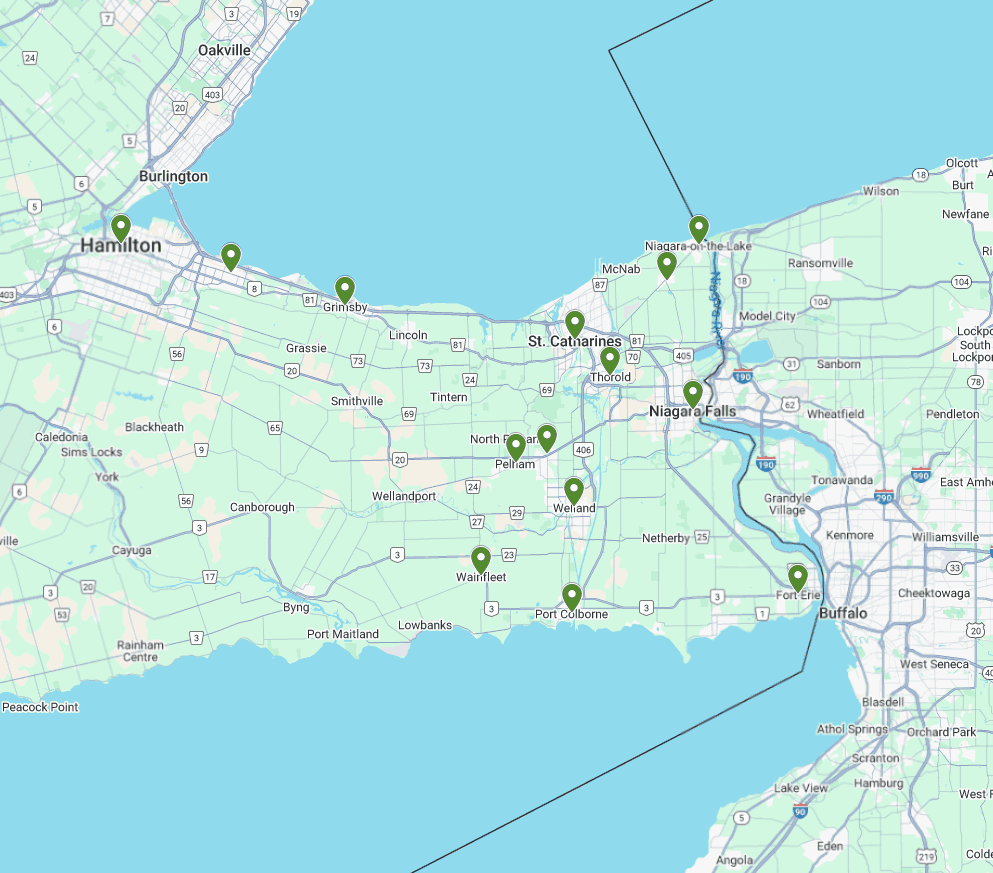
Our service areas encompass a wide range of locations, ensuring that we can meet the needs of our clients wherever they are. From bustling urban centers to serene rural landscapes, we are committed to providing top-notch services tailored to each unique environment.