



Heating maintenance in Pelham, ON ensures reliable warmth and efficient operation through seasonal tune-ups and preventative inspections. A professional visit typically covers filters, burners, heat exchangers, safety controls, thermostats, ductwork, and outdoor units, with emphasis on avoiding mid-winter breakdowns and preserving indoor air quality. Regular maintenance reduces wear, improves efficiency, and extends equipment life while safeguarding warranty coverage. Homeowners can expect clear findings, recommended repairs, and a maintenance plan that supports energy savings and safer, more comfortable winters.
-min.jpeg)
Heating maintenance in Pelham, ON
Keeping your heating system well maintained is essential for reliable warmth, lower energy costs, and safe operation during Pelham’s long, cold winters. Heating maintenance in Pelham, ON focuses on seasonal tune-ups and preventative programs that reduce breakdown risk, extend equipment life, and ensure your furnace, boiler, or heat pump runs efficiently when you need it most. The checklist and guidance below address the most common issues we see in Niagara Region homes and explain what a professional maintenance visit typically includes.
Why routine heating maintenance matters in Pelham, ON
Pelham experiences cold, snowy winters and spring/fall temperature swings influenced by the nearby Niagara lakes. Those conditions put extra strain on heating systems:
- Extended run times in deep cold increase wear on motors and ignition components.
- Freeze/thaw cycles and humidity changes can affect ducts, seals, and condensate lines.
- Snow, ice, and yard debris can obstruct outdoor heat pump units or vents.
Regular maintenance prevents small issues caused by these local factors from turning into mid-winter failures, helps maintain efficiency, and protects indoor air quality.
Common heating maintenance issues in Pelham, ON
Homeowners in the area commonly encounter:
- Clogged or dirty filters restricting airflow and forcing longer run cycles
- Ignition or burner problems causing intermittent starts or delayed heating
- Cracked or corroded heat exchangers in older furnaces or poorly serviced units
- Blocked combustion or venting pathways from nests, snow, or debris
- Frosting or defrost cycle problems on cold-climate heat pumps
- Leaky or dirty ductwork reducing delivered heat and increasing energy use
- Faulty safety controls or poorly calibrated thermostats leading to short cycling
Seasonal inspection checklist (what a professional will check)
A thorough seasonal tune-up follows a structured checklist to catch hidden problems and restore system performance. Typical inspection items include:
- Filters
- Inspect and replace or advise on frequency (every 1–3 months commonly)
- Check filter fit and seals to prevent bypass
- Burners and ignition system (gas furnaces)
- Clean burners and flame sensor
- Test ignition sequence and flame quality
- Perform combustion analysis if required
- Heat exchanger and combustion chamber
- Visual inspection for cracks, corrosion, or soot buildup
- Check for signs of flue gas leakage that could cause unsafe operation
- Safety controls and sensors
- Test high-limit switches, pressure switches, and rollout sensors
- Confirm carbon monoxide and flue venting safety
- Thermostat calibration
- Verify thermostat accuracy and response
- Check programmable/connected thermostat settings for efficient schedules
- Blower, motor, and belts
- Clean blower assembly and motor housing
- Lubricate bearings where applicable and check belt tension
- Ductwork and airflow
- Inspect ducts for leaks, disconnected joints, and insulation issues
- Measure airflow to supply outlets if needed
- Vents, flue, and outdoor unit
- Ensure vents and flues are clear and properly sealed
- Clear snow, leaves, and debris from outdoor units and vents
- Condensate and drain systems (high-efficiency units)
- Clear and test condensate drains and traps to prevent backups and freeze-ups
- Boiler-specific items
- Check pressure, expansion tank condition, and relief valves
- Inspect radiators or baseboard piping for leaks and proper circulation
After the inspection, a technician will document findings, show recommended repairs or adjustments, and note any items to monitor.
Recommended maintenance frequency
- Annual comprehensive tune-up before the heating season (late summer to early fall) for furnaces and boilers
- Heat pumps: twice-yearly checks are ideal (spring and fall) to cover cooling and heating seasons
- Filters: every 1–3 months depending on filter type, household occupancy, and pets
- Duct inspection and cleaning: every 3–5 years or sooner if dust buildup or airflow problems are present
- Safety device checks (CO detectors, smoke alarms): monthly visual checks; test annually or per manufacturer guidelines
What preventative maintenance programs typically include
Maintenance agreements vary by provider but commonly offer tiered options such as:
- Basic tune-up: annual inspection, filter check, safety tests, and seasonal adjustments
- Comprehensive plan: everything in basic plus priority scheduling, parts discounts, and two visits per year for heat pumps
- Premium protection: ongoing filter delivery, annual system performance report, and extended service assurances
These programs are designed to make upkeep predictable, document service history for warranty compliance, and reduce emergency repairs.
Benefits of regular heating maintenance
- Improved energy efficiency and lower heating bills through optimized combustion and airflow
- Extended equipment life by reducing wear on moving parts and preventing corrosion
- Fewer emergency breakdowns during freezing weather
- Maintained warranty eligibility by meeting manufacturer service requirements
- Safer operation with checked safety controls and reduced carbon monoxide risk
- Better indoor comfort and air quality from balanced airflow and clean components
What to expect during a professional tune-up (step-by-step)
- System startup and visual inspection of the cabinet and external components
- Filter inspection/replacement and basic cleaning
- Burner and combustion inspection; combustion testing for gas appliances if needed
- Mechanical checks: blower, belts, motors, and lubrication
- Safety control tests and thermostat calibration
- Duct and vent inspection and condensate drain cleaning
- Written service summary with findings, recommended repairs, and maintenance schedule
Homeowner maintenance tips between professional visits
- Replace or check filters monthly during heavy-use periods
- Keep outdoor units and intake vents clear of snow and debris
- Maintain a consistent, efficient thermostat schedule
- Check carbon monoxide and smoke detectors regularly
- Keep vents and registers unobstructed by furniture or curtains
Routine professional heating maintenance in Pelham, ON focuses on preventing weather-related failures and keeping systems running safely and efficiently through the region’s cold months. Proper seasonal inspections, following the checklist above, and enrolling in a preventative maintenance plan will minimize disruptions, protect your investment, and keep your home comfortable all winter long.

Customer Testimonials

Lifesavers!! The AC in our house decided to quit the day we were passing the keys to the new owners!! Instead of making a service call to the house, John coached me through the minor repair over the phone, saving me the money and time waiting for a repair person to come.Much appreciated! Thanks again John

We had an amazing experience getting our new furnace installed with Niagara Home Heating. The owner was very helpful, their quote was more then competitive and the technician who installed the unit was professional and friendly. I would recommend their services.
Very efficient company. I needed an old solar water heater removed from my roof. They were quick to book an appointment for the next day after I sent photos. They were very knowledgeable of the issue. The 2 guys that came were friendly and competent with the job, including removal of all parts.
I had an issue with my hot water tank and called Niagara Home Heating. Their service was fantastic and reasonably priced—exactly how a business should be run!
I have used Niagara Home heating for multiple projects for over 16 years. John and his staff are absolutely the best. I tell all my friends and family about Niagara Home Heating because you won’t get any better service or pricing anywhere in Niagara. He has saved me thousands and thousands of dollars and has never let me down.
I called John today at 2:pm as my AC was not working and I wasn’t expecting even a call back as I knew with this hot weather we have had he would be swamped with calls. Well he called me back and showed at 8:pm on the same day to fix my AC. That is just incredible service and how much John really cares about his clients. Thank you John !

Service Areas
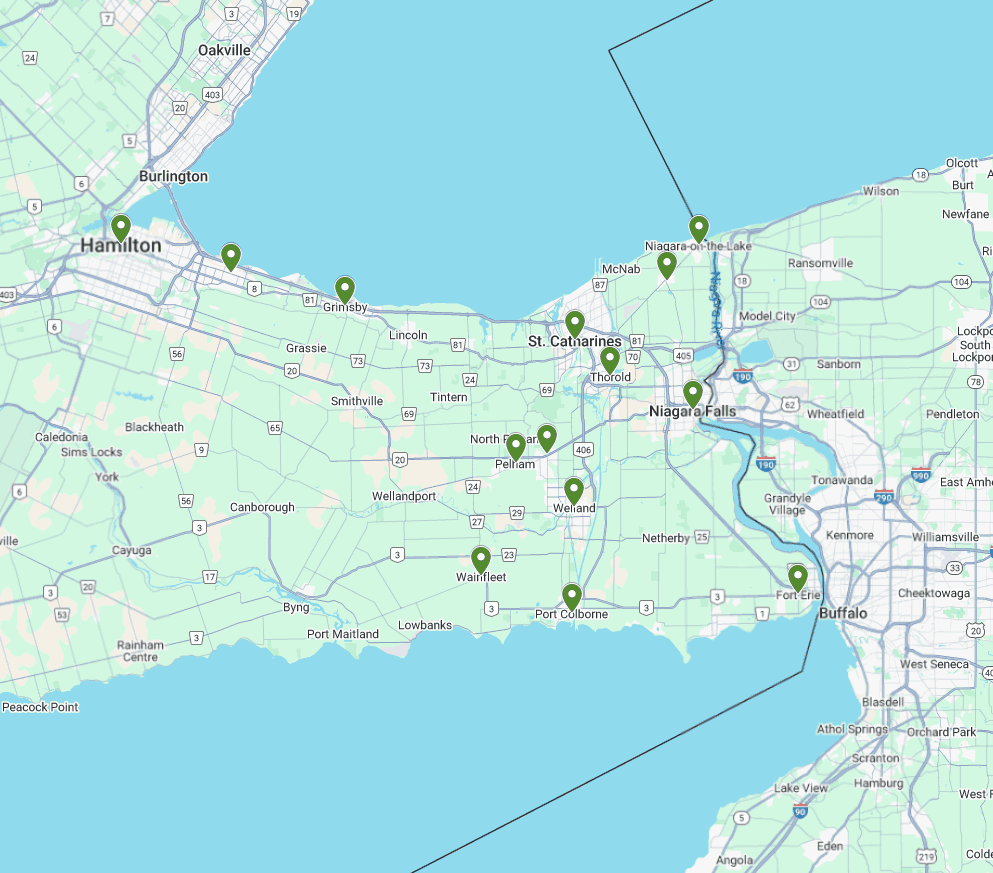
Our service areas encompass a wide range of locations, ensuring that we can meet the needs of our clients wherever they are. From bustling urban centers to serene rural landscapes, we are committed to providing top-notch services tailored to each unique environment.