



How 24/7 emergency furnace repair works in Port Colborne, from recognizing true emergencies to rapid on site triage, safety checks, and after hours communication. It covers common symptoms, the difference between temporary triage fixes and permanent repairs, and transparent pricing. Readers learn what to expect during a call, how technicians assess gas, CO, vents, and airflow, and steps homeowners can take to prevent future outages while ensuring safe, reliable heat. The guide also describes pricing clarity and aftercare recommendations.
.jpeg)
Furnace emergency-furnace-repair in Port Colborne, ON
When your furnace fails in the middle of a cold Port Colborne night, it is a safety and comfort emergency. Port Colborne homes face harsh winter temperatures and occasional lake effect chills that can make a furnace outage dangerous quickly. This page explains how professional 24/7 emergency furnace repair works, how to recognize true emergencies, what technicians do on arrival, the difference between temporary and permanent fixes, and what to expect on pricing and communication during after-hours calls.
Why 24/7 emergency furnace repair matters in Port Colborne
Port Colborne’s climate and older housing stock in parts of the community make rapid furnace response essential. Extended loss of heat can damage pipes, create unsafe living conditions, and increase the risk of frozen plumbing or hypothermia for vulnerable residents. A reliable emergency repair service focuses on safety first, restoring heat quickly, and then diagnosing root causes to prevent repeat failures.
Common furnace emergency symptoms in Port Colborne
Recognizing emergency signs helps you act fast and keep your family safe. Look for:
- No heat at all while the furnace appears to run or attempt to start.
- Complete system shutdown with no power to controls or blower.
- Unusual burning or chemical smells coming from the furnace area.
- Continuous cycling or inability to maintain temperature.
- Carbon monoxide (CO) alarm activation or symptoms of CO exposure (headache, nausea, dizziness).
- Strange noises such as loud banging, grinding, or metal popping from the furnace cabinet.
- Visible gas smell (rotten egg odor) or evidence of a gas leak. If you suspect a gas leak or CO exposure, evacuate the home immediately and follow emergency services guidance before scheduling repair.
Fast response procedures and what to expect
Emergency furnace repair is structured to prioritize safety and speed:
On-site diagnostic and triage steps
Technicians follow a consistent diagnostic workflow to identify the immediate problem and assess long-term repair needs:
- Visual inspection of burners, heat exchanger, wiring, vents, and condensate lines.
- Check power, thermostat communication, control board status, and error codes.
- Gas pressure and flame pattern inspection for gas-fired systems.
- CO testing and ventilation checks if there were alarms or smells reported.
- Blower motor and limit switch inspection for airflow and overheating issues.
- Quick airflow and duct checks to determine whether restricted airflow caused the fault. After diagnostics, technicians explain their findings in clear language, separating urgent issues from noncritical concerns.
Temporary (triage) repairs vs permanent repairs
Emergency technicians use a two-tier approach:
- Temporary (triage) repairs: Performed to restore safe operation and heat immediately. Examples include clearing condensate blockages, replacing a failed fuse, resetting control modules, rerouting venting temporarily, or installing a temporary limit switch. These fixes are designed to be safe and durable short-term but may not address underlying wear or failing components.
- Permanent repairs or replacements: Recommended when components are badly worn, unsafe, or near end of life. This may include replacing heat exchangers, control boards, gas valves, or aging furnaces. Technicians will explain risks of deferring permanent work and provide an outline of recommended next steps.
Safety checks included in emergency service
Emergency repair includes critical safety assurances:
- CO scanning and verification of safe ventilation.
- Gas leak testing and shutoff if required.
- Heat exchanger inspection for cracks or signs of combustion gas leakage.
- Electrical safety review and replacement of damaged wiring or fuses.
- Verification of correct combustion and exhaust venting. These checks are nonnegotiable in after-hours work to protect occupants and prevent repeat emergencies.
Transparent emergency pricing and communication
Emergency service pricing should be clear and honest even after hours. Expect:
- A transparent breakdown of emergency service call fees, time-and-materials rates for labor, and part costs.
- Clear differentiation between temporary fixes and recommended permanent repairs with pricing separated so you can make informed decisions.
- Advance notification if a proposed repair will exceed an agreed estimate threshold, unless immediate action is required for safety.
- Written documentation of work performed, parts installed, and any follow-up recommendations provided after the visit.
How to contact after-hours service and what to have ready
When contacting after-hours support, have this information ready to speed response:
- The furnace make, model, and approximate age if known.
- A clear description of symptoms and any error codes or indicator lights.
- Whether anyone in the home is experiencing symptoms of CO exposure or if a CO alarm activated.
- Location details in Port Colborne and any access instructions for the property. Use the emergency contact method provided in your service agreement or the after-hours contact option on your service provider’s website. If a gas smell or CO alarm is present, leave the home and contact emergency services first.
Preventative steps for Port Colborne homeowners
To reduce emergency risks:
- Schedule annual heating tune-ups before winter starts.
- Replace air filters regularly and keep vents unobstructed.
- Ensure combustion air intakes and vents remain clear of snow and debris after storms.
- Install and test CO and smoke detectors on every level.
- Consider a maintenance plan that includes priority emergency response during cold months.

Customer Testimonials

Lifesavers!! The AC in our house decided to quit the day we were passing the keys to the new owners!! Instead of making a service call to the house, John coached me through the minor repair over the phone, saving me the money and time waiting for a repair person to come.Much appreciated! Thanks again John

Very efficient company. I needed an old solar water heater removed from my roof. They were quick to book an appointment for the next day after I sent photos. They were very knowledgeable of the issue. The 2 guys that came were friendly and competent with the job, including removal of all parts.
I called John today at 2:pm as my AC was not working and I wasn’t expecting even a call back as I knew with this hot weather we have had he would be swamped with calls. Well he called me back and showed at 8:pm on the same day to fix my AC. That is just incredible service and how much John really cares about his clients. Thank you John !
I had an issue with my hot water tank and called Niagara Home Heating. Their service was fantastic and reasonably priced—exactly how a business should be run!
I have used Niagara Home heating for multiple projects for over 16 years. John and his staff are absolutely the best. I tell all my friends and family about Niagara Home Heating because you won’t get any better service or pricing anywhere in Niagara. He has saved me thousands and thousands of dollars and has never let me down.
We had an amazing experience getting our new furnace installed with Niagara Home Heating. The owner was very helpful, their quote was more then competitive and the technician who installed the unit was professional and friendly. I would recommend their services.

Service Areas
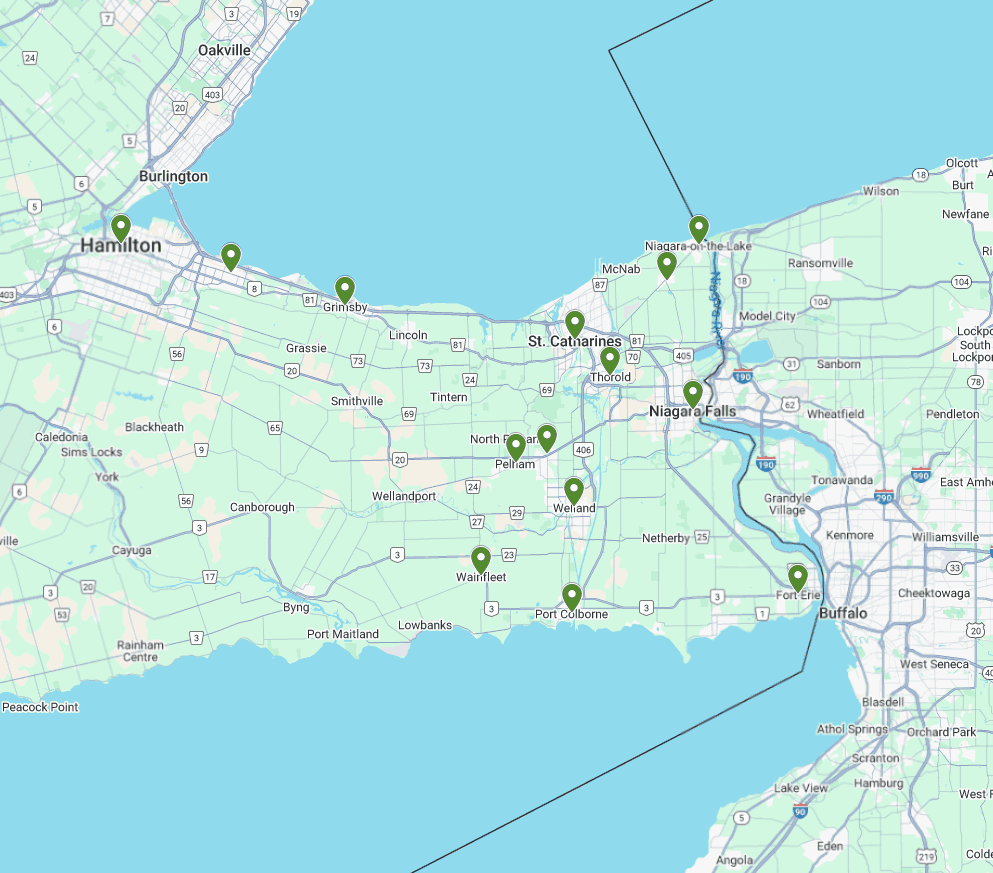
Our service areas encompass a wide range of locations, ensuring that we can meet the needs of our clients wherever they are. From bustling urban centers to serene rural landscapes, we are committed to providing top-notch services tailored to each unique environment.